

 Travel Essentials
 Travel Essentials

Discover Japan’s sacred mountain landscapes in Wakayama and Nara, from Koyasan temple stays to the Kumano Kodo pilgrimage trails.
 Travel Essentials
The rugged mountain regions of Wakayama and Nara prefectures represent one of Asia’s most significant spiritual landscapes, where centuries-old pilgrimage routes wind through ancient forests and connect some of Japan’s holiest sites. These prefectures, located in the Kansai region, form part of the Sacred Sites and Pilgrimage Routes network that has drawn spiritual seekers for over twelve hundred years. Whether you seek religious enlightenment, cultural immersion, or connection with nature, this region offers transformative experiences rooted in Buddhist and Shinto traditions.
The spiritual significance of Wakayama and Nara extends deep into Japanese history and religious practice. The region encompasses three major sacred areas: Kumano Sanzan (the three grand shrines), Koyasan (a mountaintop temple complex), and Yoshino-Omine (sacred mountains linked to mountain asceticism). These destinations form an interconnected network of spiritual importance that has shaped Japanese religious culture for over a thousand years.
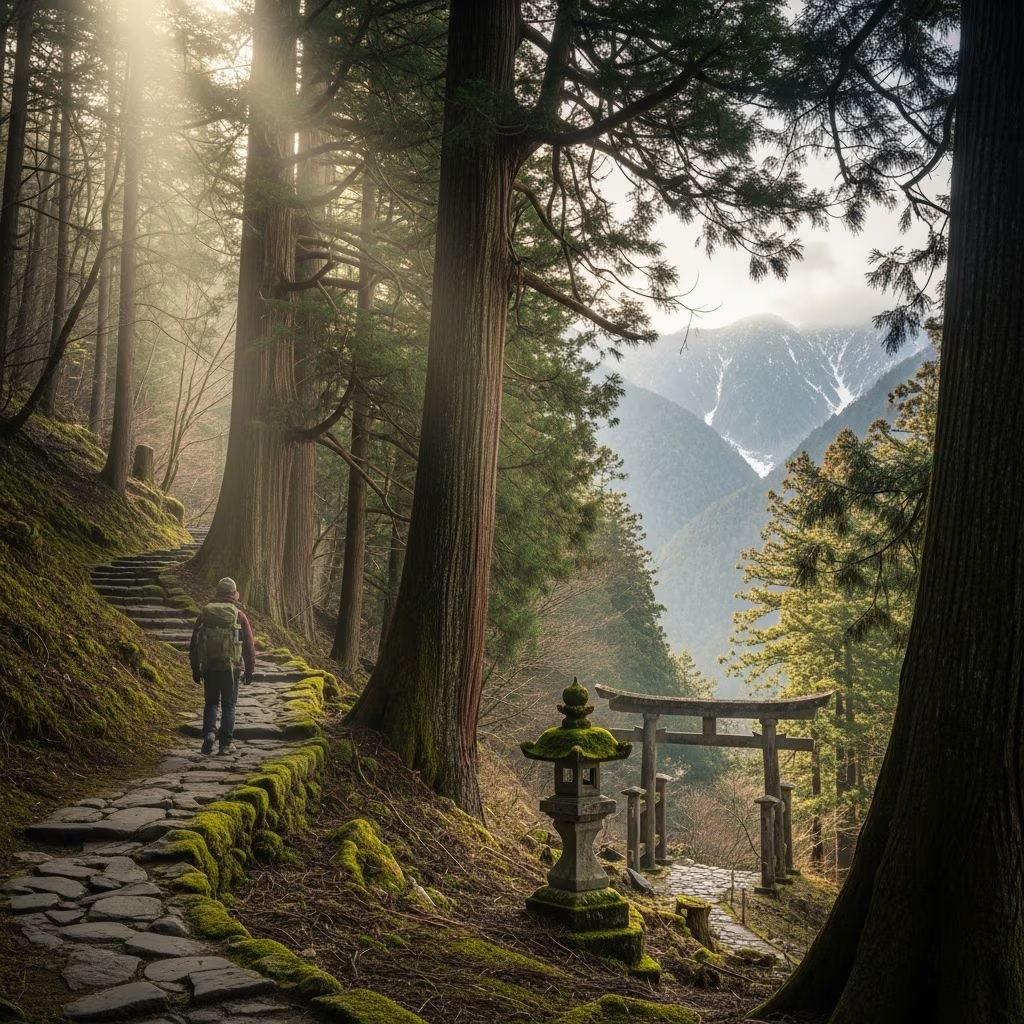
The landscape itself plays a crucial role in the spiritual experience. Towering cedar forests, moss-covered stone markers, and misty mountain vistas create an atmosphere conducive to contemplation and self-reflection. The natural beauty is inseparable from the religious significance, as both Buddhism and Shinto traditions emphasize the sacred nature of mountains, forests, and water.
During the Heian period (794-1185), members of Japan’s imperial household undertook arduous thirty to forty-day journeys from Kyoto to these remote mountain regions in search of spiritual transcendence and connection with the divine. This historical practice established the tradition of mountain pilgrimage that continues today. The routes themselves became formalized pathways, marked with stone signposts and maintained by Buddhist communities across generations.
The establishment of these sacred sites represents a fascinating blend of religious influences. Buddhism arrived in Japan from Asia starting in the sixth century, while indigenous Shinto practices emphasized the sanctity of natural phenomena. Over time, these traditions merged, creating uniquely Japanese spiritual practices that venerate mountains as homes of deities and places of profound spiritual power.
Rising approximately 2,600 feet above sea level in Wakayama Prefecture, Koyasan stands as one of the world’s most significant Buddhist sites and the international headquarters of Shingon Buddhism. In 816 AD, the renowned monk Kukai (known posthumously as Kōbō Daishi) established a temple complex on this mountain plateau, transforming it into a spiritual epicenter that has remained continuously active for over twelve centuries.
Koyasan occupies a unique geographical setting—a basin surrounded by eight peaks that resemble the petals of a lotus flower. This natural configuration holds deep symbolic meaning within Buddhist cosmology. The mountaintop hosts over one hundred temples, approximately half of which welcome visitors to stay overnight in traditional temple lodgings known as shukubo. This accessibility allows travelers to immerse themselves in daily monastic routines and spiritual practices.
The primary attractions within Koyasan include Okuno-in cemetery, the Danjō Garan Sacred Temple Complex, and Kongobu-ji Head Temple. Each location offers distinct spiritual insights and architectural significance. Okuno-in, serving as Japan’s largest cemetery, contains the graves of over 200,000 individuals, including prominent historical and religious figures. Rather than creating an eerie atmosphere, the cemetery radiates profound tranquility and spiritual presence.
While cable cars provide convenient access to Koyasan, the authentic pilgrimage experience follows the Choishi-Michi trail—an ancient pathway that pilgrims have traversed for more than twelve hundred years. This forested route spans approximately thirteen miles and typically requires seven hours to complete. The trail gains its name from the 180 stone signposts (choishi) distributed along the path, each featuring five tiers representing the principal Buddhist elements: fire, earth, water, wind, and void.
Walking this ancient route offers more than physical exercise; it provides a gradual transition from everyday consciousness to heightened spiritual awareness. The forest environment, with its towering trees and dappled sunlight filtering through the canopy, creates a natural meditative space. Many pilgrims describe the experience as transformative, allowing them to shed worldly concerns and attune themselves to deeper spiritual realities.
Staying at a temple in Koyasan provides opportunities to participate in authentic Buddhist practices. The daily schedule begins before dawn, with morning prayers (zazen) typically commencing around 6:00 AM. The harmonious, rhythmic chanting of Buddhist monks creates a meditative atmosphere that allows visitors to experience the spiritual foundation of this community.
Meals at Koyasan temples consist of carefully prepared vegetarian cuisine known as shojin ryori, reflecting Buddhist principles of non-harm and mindful eating. Rather than being austere or limited, temple meals showcase the creativity of Buddhist culinary traditions. Dishes incorporate seasonal vegetables, tofu, mushrooms, and carefully selected grains prepared with attention to both nutrition and aesthetic presentation. This culinary practice extends the spiritual discipline beyond meditation into daily sustenance.
The structured monastic schedule encourages visitors to move beyond their usual pace of life. Following early morning prayers and meals, the day opens for exploration, meditation, or quiet reflection. This rhythm contrasts sharply with typical tourism, offering instead an invitation to genuine contemplation. Many visitors report that even a single night at Koyasan produces noticeable shifts in consciousness and perspective.
Located in southern Nara Prefecture, Yoshino represents a distinct type of sacred site, emphasizing the unique Japanese practice of Shugendo. This religious tradition combines elements of Buddhism, mountain asceticism, Taoism, and indigenous spiritual beliefs into a comprehensive philosophy of spiritual development through interaction with nature and mountain environments.
Yoshino is renowned for its extensive stands of Japanese cedar trees, stunning cherry blossoms that bloom in spring, natural hot springs, and dramatic mountain scenery. The region serves as both a pilgrimage destination and a nature retreat, attracting those seeking spiritual development through communion with the natural world. The landscape itself functions as a spiritual teacher, with each season offering distinct lessons and opportunities for transformation.
Shugendo practitioners, known as yamabushi, undertake rigorous mountain training regimens believed to cultivate supernatural abilities and profound wisdom. While intensive yamabushi training remains challenging and specialized, visitors to Yoshino can experience elements of this tradition through guided practices, meditation retreats, and immersion in the mountain environment. The practice reflects a distinctly Japanese approach to spirituality that integrates the physical, emotional, and spiritual dimensions of human existence.
The Kumano region represents the holiest pilgrimage destination for many Japanese spiritual practitioners. The Kumano Kodo pilgrimage routes connect three grand shrines (Kumano Sanzan) and Nachisan Seiganto-ji Temple, forming a network of sacred sites that has attracted pilgrims for millennia. According to local legend, this region represents the mythical “holy ground where gods dwell,” establishing its importance within both Buddhist and Shinto cosmologies.
The Kumano Kodo represents one of only two pilgrimage routes worldwide designated as a UNESCO World Heritage Site. These ancient pathways wind through the Kii Mountains, traversing temperate rainforests and connecting multiple sacred destinations. Modern pilgrims can undertake sections of this route, experiencing the same terrain and spiritual atmosphere that drew imperial courts and devout practitioners across centuries.
Kumano Nachi Taisha stands as the third shrine in the sacred triumvirate, located at a site selected according to Shinto mythology. Legend describes how Yatagarasu, a three-legged crow from Japanese mythology, alighted at this location while guiding Jimmu (Japan’s legendary first emperor) toward Nara. This mythological connection establishes the shrine’s spiritual authority and symbolic importance within Japan’s religious narrative.
| Destination | Primary Tradition | Key Features | Duration | Experience Type |
|---|---|---|---|---|
| Koyasan | Shingon Buddhism | Temple complex, monastic community, Okuno-in cemetery | 1-2 days | Structured monastic immersion |
| Yoshino | Shugendo | Mountain terrain, cherry blossoms, hot springs | 1-3 days | Nature-based spiritual practice |
| Kumano Sanzan | Shinto/Buddhism blend | Three shrines, pilgrimage routes, forest trails | 2-4 days | Active pilgrimage trekking |
Approaching a spiritual pilgrimage requires intentional preparation beyond logistical arrangements. Consider clarifying your personal intentions for the journey. Whether seeking religious insight, cultural understanding, or personal transformation, setting a clear purpose enhances the experience. Many pilgrims find it valuable to engage in preliminary meditation or reflection before arrival, allowing their consciousness to shift toward receptivity.
The pilgrimage routes involve substantial hiking and elevation changes. Appropriate footwear, physical conditioning, and realistic assessment of your fitness level are essential. The Choishi-Michi trail, requiring seven hours of forest walking, demands good cardiovascular health and hiking experience. Shorter segments of pilgrimage routes accommodate various fitness levels, allowing everyone to participate meaningfully.
Visiting active temples and sacred sites requires respect for ongoing religious practices. Photography restrictions may apply in certain areas. Visitors should remove shoes when entering temple buildings and maintain quiet, contemplative demeanor. Many temples provide detailed guidance about appropriate behavior; attentive observation of how other visitors conduct themselves offers additional cultural cues.
Spring brings spectacular cherry blossoms to Yoshino and throughout the region, with blooming seasons typically occurring in late March through April. This season attracts significant tourist traffic but offers compelling natural beauty and symbolism related to renewal and transformation. Early morning visits to popular sites allow visitors to experience the blossoms before crowds arrive.
Summer transforms the mountain forests into vibrant green landscapes with cool, misty mornings in higher elevations. Trail conditions are generally excellent, though humidity and occasional rain require appropriate preparation. The Kumano Kodo routes are particularly spectacular during this season, with moss-covered stone markers and cascading water features fully active.
Autumn brings cooler temperatures ideal for hiking and a distinctive quality of light that many spiritual practitioners consider spiritually auspicious. Fall foliage transforms the forests into galleries of warm colors. Temple stays during autumn offer particularly peaceful experiences, as the reduction in summer tourist crowds restores a more contemplative atmosphere.
Winter brings fewer visitors and potentially challenging hiking conditions, particularly at higher elevations where snow and ice may accumulate. However, experienced winter hikers find the season offers unparalleled solitude and conditions conducive to intensive spiritual practice. Some routes close entirely during severe winter weather.
The transformative potential of pilgrimage extends beyond the journey itself. Consider maintaining a journal documenting insights, observations, and emotional shifts throughout your travels. These records facilitate integration of spiritual experiences into daily life upon returning home. Many pilgrims establish ongoing meditation or contemplative practices inspired by their temple experiences.
The structured monastic environment provides an intensive experience of disciplined spiritual practice. Upon return, establishing realistic daily practices—whether meditation, mindful walking, or contemplative study—helps sustain the consciousness shifts initiated by pilgrimage. Regular practice maintains spiritual momentum and deepens insights gradually over time.
Yes, cable cars and conventional transportation provide access to Koyasan and other major sites. However, pilgrimage trails like Kumano Kodo and Choishi-Michi require moderate to advanced hiking ability. Many shorter trail segments accommodate various fitness levels.
Spring (late March-April) and autumn (September-November) offer ideal weather conditions and spiritual atmosphere. Summer suits experienced hikers, while winter appeals to those seeking solitude, though snow may close some routes.
No, temples welcome visitors of all faith backgrounds. The experiences cater to spiritual seekers and cultural tourists alike. Communication about your intentions helps temples provide appropriate accommodations and guidance.
This depends on which routes and sites you choose. Major temples are accessible to people with limited mobility. Pilgrimage trails require varying levels of fitness; consult specific route descriptions to assess suitability for your abilities.
Comfortable hiking boots, weather-appropriate clothing, water bottle, snacks, camera, and sun protection are essential. Temple stays typically provide bedding and basic amenities; check with specific temples for detailed packing recommendations.
