

 Travel Essentials
 Travel Essentials

Discover critical preparation strategies, seasonal considerations, and insider tips for maximizing your Washington DC visit while avoiding common pitfalls.
 Travel Essentials
Washington DC stands as one of America’s most iconic destinations, attracting millions of visitors annually to explore its historic landmarks, world-class museums, and vibrant neighborhoods. Whether you’re a first-time visitor or returning to discover new facets of the capital, understanding the fundamentals of traveling to DC can significantly enhance your experience. This comprehensive guide addresses the key considerations that transform a good visit into an exceptional one.
A fundamental aspect of visiting Washington DC involves understanding what the city actually is. Washington DC is not a state—a distinction that often surprises visitors unfamiliar with American geography. The city encompasses approximately 68 square miles and maintains a population of around 700,000 residents. The broader metropolitan region, commonly referred to as the “DMV” (District, Maryland, and Virginia), expands this reach to approximately 6 million people, representing one of the most densely populated urban corridors on the East Coast.
This geographic context matters for travelers because it influences transportation options, regional attractions, and the overall scope of what you can realistically explore during your stay. Understanding DC’s position within the greater metropolitan area helps visitors plan excursions beyond the traditional tourist zones and discover the diverse character of surrounding communities.
Timing represents one of the most consequential decisions for DC visitors, as seasonal variations dramatically affect comfort, crowds, and atmospheric quality. The city experiences pronounced seasonal extremes that directly impact the visitor experience in measurable ways.
During the summer months of August and September, Washington DC becomes notably hot and humid, with temperatures frequently exceeding 85°F and humidity levels that can make outdoor sightseeing exhausting. These conditions create challenging circumstances for exploring the National Mall and walking between attractions. Conversely, early spring and autumn offer temperate weather, fewer crowds, and reduced accommodation prices—making these seasons optimal for visitors seeking comfort and value.
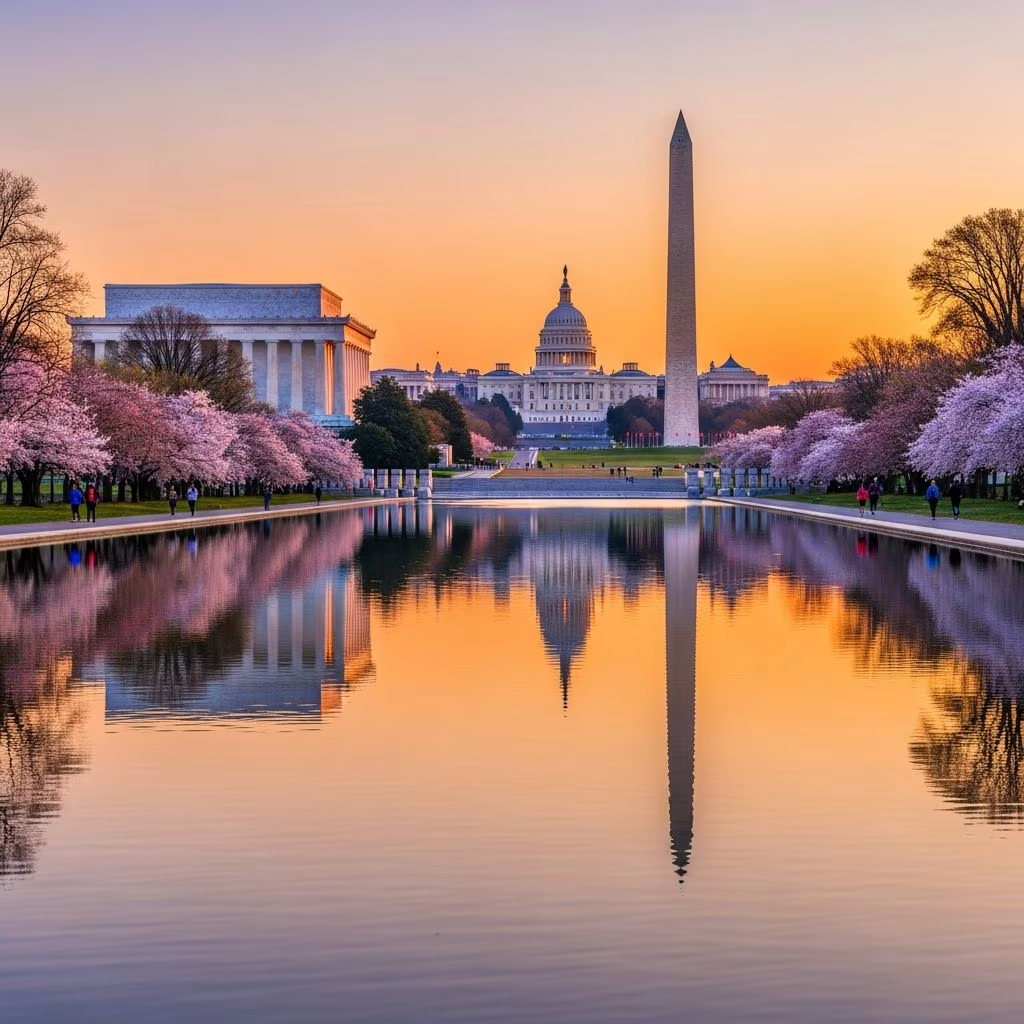
Among DC’s most celebrated seasonal attractions are the city’s renowned cherry blossoms, a tradition dating back to 1912 when Japan presented Sakura trees to the American people as a symbol of friendship. These flowering trees, concentrated throughout the National Mall area, typically bloom between mid-March and early April. The National Cherry Blossom Festival transforms the city during this window, drawing substantial crowds and creating congestion on roads leading to the Tidal Basin. While visually spectacular, visitors should anticipate heavy foot traffic and plan accordingly if visiting during peak bloom.
Washington DC encompasses distinct neighborhoods, each offering unique characteristics and visitor experiences. For first-time visitors, Downtown presents the optimal choice for accommodations, as it provides superior accessibility to major landmarks and attractions. Downtown features extensive hotel options accommodating various budgets, excellent dining venues concentrated along 19th Street and Massachusetts Avenue, and walkable proximity to the White House and National Mall.
Beyond Downtown, neighborhoods like Georgetown and Adams Morgan offer distinctive character. Georgetown, DC’s oldest neighborhood dating to the 1700s, combines historic architecture with contemporary shopping and dining establishments. Adams Morgan transcends its reputation as merely a nightlife destination, featuring historic row houses along 18th Street and independently owned retail businesses reflecting the neighborhood’s bohemian spirit.
One of the most common visitor miscalculations involves underestimating the National Mall’s physical dimensions. Movies and photographs often create misleading impressions of proximity between major monuments and institutions. In reality, this iconic stretch extends approximately two miles from the Capitol Building to the Lincoln Memorial—a substantial distance when covered on foot while visiting multiple museums and monuments. The National Mall functions as a concentrated sightseeing hub hosting 11 Smithsonian museums and art galleries, plus numerous memorials and monuments.
The Smithsonian Institution operates 19 distinct museums, galleries, gardens, and a zoo throughout Washington DC. This network represents one of the world’s largest museum systems, with many institutions offering free general admission. The National Air and Space Museum alone spans three city blocks, containing the world’s largest collection of historic aircraft and numerous other exhibits. The National Museum of African American History and Culture provides particularly impactful experiences for understanding American history through perspectives often marginalized in traditional narratives.
While the National Mall commands primary attention, venturing into DC’s eclectic districts reveals significant cultural depth. Lesser-known attractions include the Hillwood Estate, featuring Russian and French art collections within 13-acre gardens; the Municipal Fish Market, America’s oldest fish market offering exceptional crab cakes; the U.S. Botanic Garden; Ford’s Theatre; and the Library of Congress. The Frank Lloyd Wright-designed Pope-Leighey House appeals to architecture enthusiasts seeking authentic design heritage.
The Washington Metropolitan Area Transit Authority operates an extensive public transit network that serves as the primary transportation method for most visitors. The Metro system comprises multiple lines including the Blue, Silver, and Orange routes, connecting major points such as airports, downtown districts, and tourist attractions. While the Metro provides reliable service, travelers should anticipate occasional delays attributable to construction or maintenance activities. The system maintains ADA accessibility across bus and Metro services, ensuring convenient access for all users.
Beyond the Metro, DC Circulator buses offer convenient and economical transportation, particularly around the National Mall and extending to neighborhoods like Georgetown. Bus routes such as 30N, 30S, 32, and 36 provide extensive coverage across the city with strong accessibility features. The combination of Metro and bus systems creates a comprehensive transportation network eliminating the necessity for personal vehicles or taxi services for most visitor activities.
DC’s organized street layout and pedestrian-friendly design make walking an viable primary navigation method. However, visitors should prepare appropriately with quality walking shoes capable of managing substantial distances. Many major museums house exhibitions spanning enormous spaces—the National Air and Space Museum essentially functions as three city blocks of continuous exhibits. Comfortable footwear becomes essential equipment rather than optional accessory for meaningful sightseeing engagement.
Visiting DC’s most prominent attractions requires anticipating security infrastructure that significantly affects time allocation for your itinerary. Museums, the National Archives, Capitol Building, Library of Congress, White House, and Arlington National Cemetery all require passage through metal detectors and X-ray screening of personal belongings. These security procedures, while essential, consume substantial time that many first-time visitors underestimate.
White House visits demand particular advance planning, requiring reservations submitted at least 21 days in advance. This requirement represents one of the most critical time-management considerations for first-time visitors prioritizing the iconic residence in their itineraries.
A frequently overlooked aspect of DC sightseeing involves the 24-hour accessibility of outdoor monuments and memorials. Unlike many attractions requiring specific operational hours, outdoor monuments remain accessible throughout the day and night. Evening exploration offers distinct advantages, including cooler temperatures, reduced crowds, and atmospheric lighting that transforms the monuments’ visual presentation. The Washington Monument specifically requires timed entry passes following its reopening on October 1st annually, but outdoor monument viewing remains unrestricted.
When exploring monument areas, particularly during evening hours, visitors should respect the solemnity of intimate memorials like the Vietnam Veterans Memorial, where biking is prohibited and pedestrian conduct should reflect appropriate reverence for the spaces’ commemorative purposes.
Washington DC continuously hosts events, concerts, and ceremonies throughout the year, making a relaxed approach to sightseeing planning advisable. Major annual events include the Fourth of July celebration featuring concerts and fireworks on the National Mall, attracting approximately one million visitors. Veterans Day ceremonies at Arlington National Cemetery’s Tomb of the Unknown Soldier observe significant traditions with heightened security due to presidential participation. The First Night Alexandria celebration offers community-driven New Year’s Eve festivities distinct from downtown DC’s bustling tourist atmosphere, featuring concerts, activities, and fireworks fostering authentic community engagement.
Washington DC accommodates visitors across all budget ranges. The extensive Smithsonian system provides free general admission to most institutions, representing extraordinary value for cultural engagement. A rechargeable Metro SmarTrip card reduces transportation costs through efficient trip management. Carrying a refillable water bottle significantly reduces beverage expenditures while supporting environmental sustainability. These modest considerations collectively produce meaningful cost reductions across multi-day visits.
Successful DC visits require physical preparation matching the city’s demands. The substantial distances between attractions, expansive museum spaces, and frequent security protocols necessitate adequate physical stamina and realistic expectations about daily accomplishment capacity. Mental preparation involves accepting that comprehensive exploration of DC’s offerings exceeds even extended stays—focusing on quality engagement with selected attractions rather than attempting exhaustive coverage produces more satisfying experiences.
Early spring (March-April) and autumn (September-October) offer optimal combinations of pleasant weather, manageable crowds, and reasonable prices. Cherry blossom season (mid-March to early April) provides spectacular visual experiences but attracts substantial crowds.
Three to four days allow meaningful engagement with major attractions, though DC’s comprehensive offerings support extended stays. First-time visitors typically require at least three days to experience primary monuments and several Smithsonian museums.
No. The extensive Metro system, bus network, and pedestrian-friendly layout make vehicles unnecessary. Most visitors find public transportation and walking entirely sufficient.
Many primary attractions offer free admission. Budget primarily for accommodation, meals, and transportation. Daily costs vary significantly based on lodging choices and dining preferences.
