

Food & Culture Stays Travel Essentials Travel Guides Trip Ideas
Categories
From the Blog
Remy’s Ratatouille Adventure at EPCOT: Ride Review, Tips & 2D Update
Travel Essentials

Washington State National Parks Guide: Rainier, Olympic & North Cascades

Discover Mount Rainier, Olympic, and North Cascades National Parks: hiking trails, wildlife, seasonal tips, and planning advice for unforgettable adventures in Washington State.
Travel Essentials

Washington State boasts three extraordinary national parks that showcase the Pacific Northwest’s diverse natural beauty: towering volcanoes, temperate rainforests, rugged coastlines, and jagged alpine peaks. These protected areas offer endless opportunities for hiking, wildlife viewing, and immersive outdoor experiences. Whether you’re chasing wildflower meadows or glacier vistas, this guide provides everything you need to plan your visit.

Overview of Washington’s National Park Gems

Unlike states with dozens of parks, Washington’s trio—Mount Rainier, Olympic, and North Cascades—packs unparalleled variety into a compact region. Mount Rainier National Park features the state’s iconic stratovolcano, rising 14,410 feet and blanketed in glaciers. Olympic National Park spans diverse ecosystems from sea stacks to high-country snowfields. North Cascades, often called the American Alps, harbors over 300 glaciers amid steep, forested valleys.

These parks attract millions annually but offer solitude in their vast backcountry. Expect dramatic weather changes, especially in shoulder seasons, and prepare for rain in western areas. Entry requires a $30-$35 vehicle pass per park, valid for seven days.

Mount Rainier: The Majestic Volcano

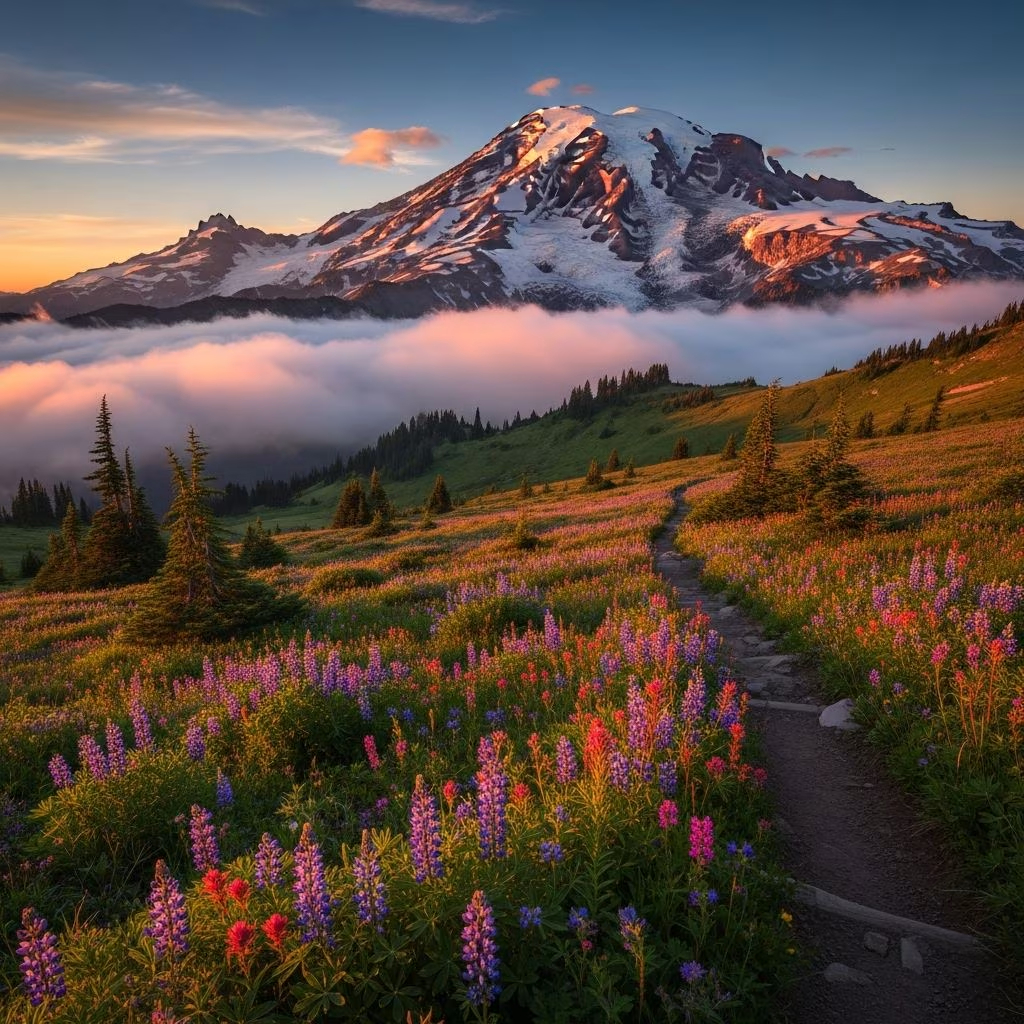
Dominating the skyline, Mount Rainier National Park encircles the active volcano that gives the state its most recognizable landmark. As the most glaciated peak in the lower 48 states, it feeds five major rivers and supports thriving subalpine meadows bursting with lupine and paintbrush in summer.

Prime Hiking Trails

  • Skyline Trail: A 5.6-mile loop from Paradise gaining 1,700 feet to Panoramic Point. Offers sweeping views of the summit and glaciers; prime wildflower season July-August.
  • Grove of the Patriarchs: Easy 1.3-mile riverside path through ancient Douglas firs over 1,000 years old. Cross a suspension bridge for intimate forest immersion.
  • Naches Peak Loop: 3.6-mile moderate circuit with pond reflections of Rainier and Goat Rocks Wilderness. Ideal for fall colors.

Winter transforms the park into a snowshoeing haven, with guided ranger programs at Longmire.

Camping and Lodging Essentials

Reserve campsites at Ohanapecosh or Cougar Rock up to six months ahead via recreation.gov. Paradise Inn provides historic rooms with fireplaces, open mid-May to early October. Backcountry permits are free but competitive for summit climbs.

Olympic National Park: Ecosystems in Harmony

Spanning 1,441 square miles, Olympic protects a rainforest-mountain-ocean trifecta. Its designation stems from unique temperate rainforests receiving up to 150 inches of annual precipitation, fostering moss-draped giants and abundant elk herds.

Must-Do Adventures

  • Hoh Rain Forest: Wander Hall of Mosses trail (0.8 miles) amid emerald canopies. Listen for the drip of epiphytes and spot Roosevelt elk.
  • Hurricane Ridge: Drive to 5,242 feet for alpine panoramas. Visitor center exhibits detail geology; Hurricane Hill hike adds 700 feet for Strait of Juan de Fuca views.
  • Rialto Beach: 5-mile roundtrip to Hole-in-the-Wall sea stacks. Tidepool at low tide for starfish and anemones; camp at Mora nearby.

Kayak Lake Crescent or Lake Quinault for paddling amid old-growth. Sol Duc Hot Springs offer mineral soaks year-round.

Comparison of Olympic Park Entrance Stations
StationLocationKey AccessFee
Hurricane RidgePort AngelesAlpine hikes$30/vehicle
Hoh Rain ForestForksTemperate woods$30/vehicle
MoraLa PushCoastal trails$30/vehicle

Wildlife and Seasonal Tips

Black bears and river otters thrive here; store food properly. Summer crowds peak July-September; visit May or October for fewer people and vibrant fungi.

North Cascades: The Rugged American Alps

North Cascades National Park preserves over 500 peaks, earning its alpine moniker with serrated ridges and icefields. Fewer than 30,000 visitors yearly make it Washington’s quietest park, perfect for unchained exploration.

Signature Hikes and Drives

  • Heather-Maple Pass Loop: 7.2-mile strenuous trek climbing 2,200 feet to heather meadows and Maple Pass vistas over Rainy Pass. Fall larch glow golden.
  • Blue Lake Trail: Moderate 4.4 miles to turquoise basin framed by granite. Snow bridges linger into July.
  • North Cascades Highway: Scenic 140-mile drive from Marblemount to Winthrop, with pullouts at Diablo and Ross Lakes.

Backpack Sahale Arm for alpine campsites with glacier views. Ross Lake NRA offers houseboat rentals for water-based adventures.

Planning Your Multi-Park Itinerary

A week suffices for highlights. Fly into Seattle-Tacoma (SEA); rent a car for flexibility. Sample 7-day loop:

  1. Days 1-2: Mount Rainier (Paradise base).
  2. Days 3-4: Olympic (Hurricane Ridge to Hoh).
  3. Days 5-7: North Cascades (Highway 20 to trails).

Pack layers, rain gear, and bear spray. Check nps.gov for road closures; SR-20 typically opens late April.

Essential Visitor Information

  • Entrance Fees: $30/vehicle, $15/individual, or $80 America the Beautiful annual pass.
  • Best Time: July-September for accessibility; shoulder seasons for solitude.
  • Accessibility: Paved paths at Paradise, Longmire, and Hoh; limited in high country.
  • Regulations: Drones prohibited; fires banned in many areas.

Frequently Asked Questions (FAQs)

Which Washington park is best for beginners?

Mount Rainier offers accessible trails like Narada Falls from Paradise.

Can I visit all three parks without a car?

Limited shuttles exist; car recommended for remote access.

Are the parks open year-round?

Yes, but high-elevation roads close November-April due to snow.

What wildlife should I watch for?

Mountain goats at Rainier, elk at Olympic, pikas in Cascades.

Do I need permits for day hikes?

No, but overnight and climbing require advance permits.

Safety and Leave No Trace Principles

Altitude sickness risks above 7,000 feet; hydrate and ascend gradually. Follow LNT: pack out waste, camp 200 feet from water. Avalanche awareness crucial in winter.

These parks embody Washington’s wild heart—respect them to preserve for future generations.

References

  1. Where to Hike at All of Washington’s Best National Parks — Field Mag. 2023-06-15. https://www.fieldmag.com/articles/washington-best-state-and-national-parks-road-trip
  2. The 3 Spectacular National Parks In Washington State — Wheatless Wanderlust. 2024-03-10. https://wheatlesswanderlust.com/national-parks-in-washington-state/
  3. Discover The Natural Wonders of Washington National Parks — State of WA Tourism. 2025-01-22. https://stateofwatourism.com/places-to-go/national-parks-washington-state/
  4. The 3 Incredible Washington National Parks: A Complete Guide — Uprooted Traveler. 2024-08-05. https://uprootedtraveler.com/washington-national-parks/
  5. Mount Rainier National Park — U.S. National Park Service (.gov). 2026-04-15. https://www.nps.gov/mora
  6. THE 15 BEST Washington National Parks (2026 List) — Tripadvisor. 2026-01-01. https://www.tripadvisor.com/Attractions-g28968-Activities-c57-t67-Washington.html
SN
Sneha Tete
Sneha is a relationships and lifestyle…

Sneha is a relationships and lifestyle writer with a strong foundation in applied linguistics and certified training in relationship coaching. She brings over five years of writing experience to CultureTreker,  crafting thoughtful, research-driven content that empowers readers to build healthier relationships, boost emotional well-being, and embrace holistic living.Her writing and insights reflect the belief that beauty, happiness, and wellness begin from within, through the harmonious balance of the mind, body, and heart. With a background in instructional design and research writing, Sneha transforms complex topics into practical insights that are easy to understand and apply.Sneha has also self-published a novella on adolescent mental health, highlighting her ability to navigate emotionally layered topics with nuance and empathy. When she's not writing, you'll find her exploring storytelling through photography, diving into K-dramas, or enjoying quiet moments with her family and friends.

← Previous
Puglia with Kids: Best Family Beaches, Parks & Towns
‹›
