

 Travel Essentials
 Travel Essentials

A comprehensive guide to experiencing Earth's most dramatic natural formations, from underground caverns to cascading waterfalls and scenic river valleys.
 Travel Essentials
The Earth’s landscapes offer some of the most spectacular and awe-inspiring destinations for travelers seeking authentic natural beauty. From thundering cascades that plunge hundreds of meters into misty canyons, to subterranean chambers sculpted over millennia, and rivers that carve through ancient valleys, geological formations represent nature’s most powerful artistry. These destinations attract adventurers, photographers, and nature enthusiasts from around the globe, each seeking to witness the raw force and stunning elegance that only untouched natural environments can provide.
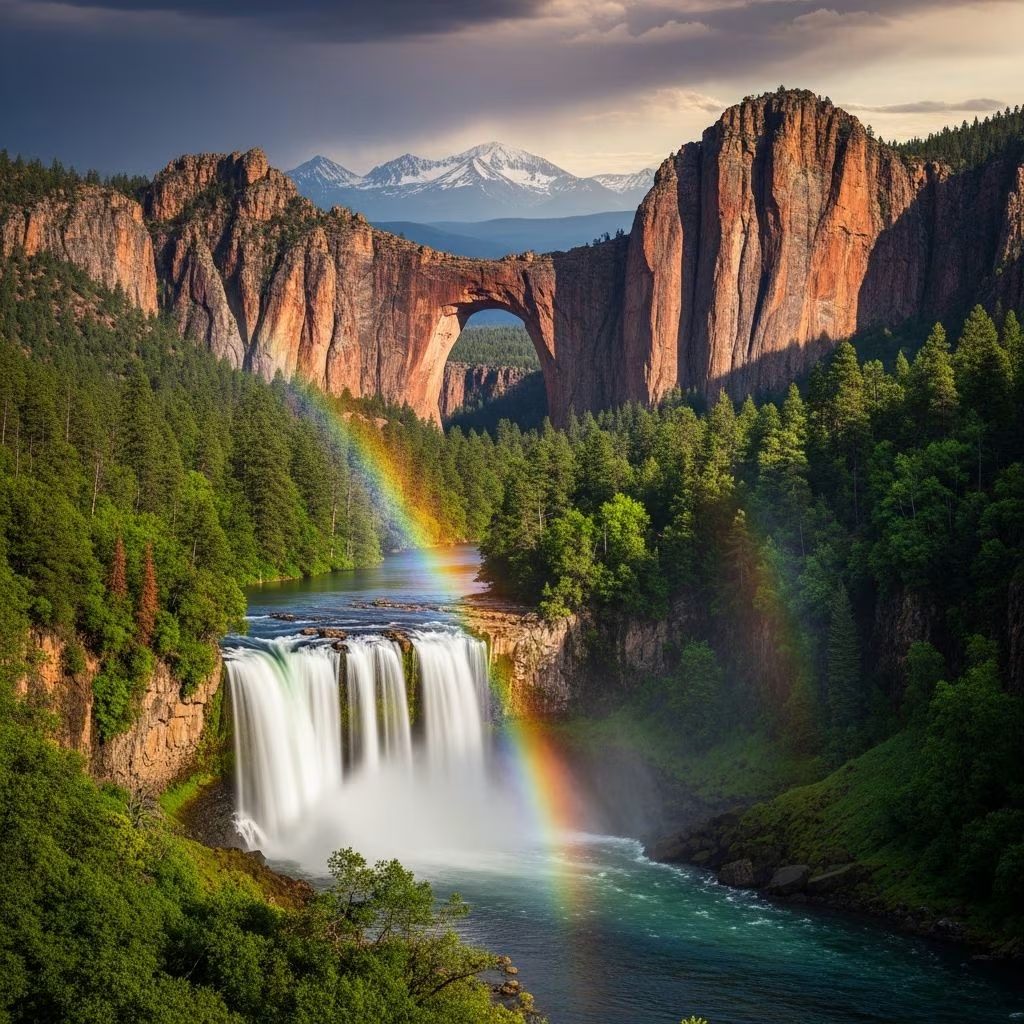
Waterfalls represent one of nature’s most visually dramatic expressions of geological power. They form where water flows from higher to lower elevations, creating torrential displays that have captivated human imagination throughout history. The combination of flowing water, mist, and surrounding landscape creates environments that appeal to multiple senses simultaneously.
Major waterfalls worldwide showcase tremendous variation in scale, appearance, and accessibility. Victoria Falls, positioned along the Zambezi River between Zambia and Zimbabwe, exemplifies this grandeur with approximately 1.7 kilometers of width and 108 meters of height. The volume of water passing over this formation generates mist visible from considerable distances, creating an atmospheric phenomenon that enhances the visitor experience. The falls are most accessible during the post-rainy season from February to May, when water levels remain substantial yet permit easier navigation around the area.
Different regions offer distinctive waterfall experiences. In tropical settings, waterfalls frequently feature multi-tiered cascades surrounded by lush vegetation. Kuang Si Waterfalls near Luang Prabang in Laos exemplifies this type, presenting crystal-clear turquoise waters across multiple tiers with natural swimming pools positioned throughout the formation. These environments allow visitors to engage directly with the landscape through swimming and hiking activities.
North American waterfalls vary considerably in their geological settings and visitor experiences. Multnomah Falls in Oregon’s Columbia River Gorge provides an accessible introduction to waterfall tourism, featuring well-maintained trails suitable for visitors of varying fitness levels and covering 2.4 miles roundtrip with relatively easy terrain. In contrast, Havasu Falls within the Grand Canyon’s Havasupai Indian Reservation demands greater physical commitment, requiring 10 miles of challenging hiking in each direction to reach its striking blue-green waters.
Underground waterfalls present a unique variant of this geological phenomenon. Ruby Falls in Tennessee exists within Lookout Mountain Caverns, offering a guided tour experience of approximately one mile through cave environments lit to highlight the dramatic interplay between water and stone formations.
Caves represent geological formations that develop over thousands to millions of years through the dissolution of soluble rock, typically limestone or dolomite, by water containing carbonic acid. These underground environments create distinct ecosystems and landscapes that fundamentally differ from surface experiences.
Cave tourism encompasses two primary categories: commercially developed caves with infrastructure supporting public access, and wild cave exploration requiring specialized equipment and expertise. Commercially developed caves typically feature lighting systems, paved walkways, and guided tour services that enhance safety and visitor understanding of geological processes.
The accessibility and presentation of cave systems varies significantly. Some caves, like those featuring mineral-rich hot springs, combine multiple natural features into integrated destination experiences. These locations offer opportunities for therapeutic bathing following outdoor activities, creating restorative experiences that complement the adventure component of cave exploration. The mineral content of subterranean waters has attracted visitors for centuries, with traditional cultures recognizing both spiritual and medicinal properties of these formations.
Cave systems frequently connect to other geological features, creating landscapes where multiple natural wonders interact. Springs emerging from cave systems often feed surface waterfalls, creating scenic integration where subterranean hydrology becomes visible in dramatic forms. These connections illustrate the complex geological processes that shape landscapes across multiple dimensions.
Rivers function as primary sculptors of landscape, their erosive power gradually shaping canyons, valleys, and gorges over geological timescales. River valleys represent some of Earth’s most diverse ecosystems, supporting concentrated biological activity within defined geographic corridors.
River-based travel provides distinctive perspectives on landscape formation and ecological processes. Kayaking and boating activities permit access to canyon formations and remote areas often unreachable via terrestrial routes. The Colorado River, for instance, flows through spectacular canyon environments where geological layers become visible in towering rock walls, telling the story of Earth’s deep time through exposed stratification.
River recreation encompasses multiple activity types suited to different experience levels and physical capabilities. Gentle float trips permit contemplative engagement with surrounding landscapes, while whitewater rafting through rapid sections provides more intense physical and adrenaline-based experiences. The choice between these activity types allows visitors to match adventures to personal preferences and abilities.
Geological features often cluster along major river systems. Springs, waterfalls, and cave systems frequently emerge in proximity to river valleys, creating zones of concentrated natural wonders where multiple geological phenomena exist within manageable traveling distances.
Timing profoundly affects waterfall, cave, and river experiences. Waterfalls display maximum volume and visual drama during high-water seasons following heavy precipitation. Post-rainy season periods typically offer optimal combinations of substantial water flow and accessible conditions. Conversely, dry seasons may reduce waterfall volume to modest flows, though access routes may become easier to negotiate.
Cave systems remain relatively stable across seasons, with interior temperatures and humidity levels fluctuating minimally. However, surface access routes to cave entrances may become hazardous during rainy periods when erosion increases. River conditions vary seasonally, with high water periods creating stronger currents and potentially dangerous conditions for inexperienced boaters, while low water periods may reduce navigability entirely.
Adventures involving waterfalls and caves often require sustained hiking on uneven terrain. Physical conditioning through regular cardiovascular exercise and strength training significantly enhances enjoyment and safety. Proper footwear with reliable traction proves essential, as wet rocks and muddy surfaces near water features create slipping hazards.
Altitude considerations warrant attention, particularly for destinations situated at significant elevations. Gradual acclimatization reduces risks associated with reduced oxygen availability. Adequate hydration and nutrition support physical performance across extended outdoor activities.
Professional-grade hiking gear enhances comfort and safety. Quality backpacks designed for weight distribution, proper clothing layers suited to temperature variability, and water-resistant protection for personal electronics represent fundamental requirements. Camera equipment requires protection from moisture, as mist around waterfalls and spray from rivers can damage sensitive electronics.
Photography enthusiasts benefit from specific considerations when capturing images in low-light cave environments or mist-laden waterfall settings. Tripods provide stability for longer exposures, while specific camera settings optimize image quality despite challenging lighting conditions. Polarizing filters reduce reflections from wet surfaces and water bodies.
Mountain ranges generate distinctive waterfall patterns as rivers navigate elevation changes. Alpine regions typically feature numerous cascading formations within relatively concentrated areas. These environments support challenging terrain but reward effort with dramatic scenery and pristine conditions. Hiking trail density varies considerably, with some regions offering extensive marked networks while others require navigation skills and route-finding abilities.
Karst geology, characterized by soluble limestone formations, creates landscapes where caves, springs, and unique surface features concentrate. National park systems protecting karst areas typically develop infrastructure supporting visitor access while minimizing environmental damage. Boardwalks, boat systems, and defined trail networks permit exploration while preserving delicate ecosystems. Croatia’s Plitvice Lakes National Park exemplifies this approach, featuring 16 visible lakes connected by cascading waterfalls, boardwalks, and boat transportation through integrated waterway systems.
Tropical locations frequently feature abundant water flow year-round, creating consistently impressive waterfall displays. Dense vegetation surrounding these formations creates lush environmental contexts that enhance sensory experiences. Biodiversity in tropical regions often concentrates near water sources, providing opportunities to observe diverse plant and animal species alongside geological features.
Natural environments containing waterfalls, caves, and rivers present genuine hazards requiring respectful attention. Slippery surfaces near water features cause numerous accidents annually. Proper footwear and cautious movement reduce injury risks substantially.
Cave environments present distinct hazards including uneven floors, low overhead clearances, and reduced lighting. Guided tours through commercial cave systems minimize risks through professional expertise and established safety protocols. Wild caving requires specialized training, appropriate equipment, and group coordination.
River recreation warrants skill matching to conditions. Guided outfitters assess individual abilities and assign activities accordingly. Professional guides possess knowledge of hazardous zones, optimal routes through challenging sections, and emergency response capabilities.
Weather awareness significantly impacts safety. Rapid weather changes in mountain regions can create flash flood conditions in canyons and valleys. Local knowledge regarding seasonal hazard patterns proves invaluable.
Modern tourism infrastructure at major geological sites includes well-maintained facilities supporting visitors with varying mobility levels. Paved pathways, railings, and designated viewing areas permit access for individuals with physical limitations. Accessibility varies considerably between destinations, so advance research enables appropriate planning.
Guided tour services provide educational context while ensuring safe navigation. Professional guides possess specialized knowledge regarding geological formation processes, local ecology, and cultural history. Group size limitations protect both visitor experience quality and environmental integrity.
Facilities such as lodging, dining, and equipment rental concentrate near major destinations, generally within reasonable driving distances. Planning accommodation in advance, particularly during peak seasons, ensures satisfactory options.
Geological wonders represent irreplaceable natural heritage requiring conscientious visitor behavior. Leave-no-trace principles guide sustainable tourism: removing all personal waste, remaining on established trails to minimize vegetation damage, and avoiding behavior that alters geological features or wildlife habitats.
Photography should not involve altering landscapes for compositional purposes. Removing objects, disturbing soil, or damaging vegetation damages ecosystem integrity and diminishes experiences for subsequent visitors.
Noise consideration proves particularly important in cave systems and pristine outdoor environments. Maintaining modest volume levels permits others to experience natural soundscapes and minimizes stress on wildlife.
