

 Travel Essentials
 Travel Essentials

Discover how to research weather patterns, pack smartly, and handle surprises on your journeys with expert-backed tips for every season and destination.
 Travel Essentials
Weather shapes every aspect of travel, from the thrill of a sun-drenched beach day to the frustration of a sudden downpour ruining outdoor plans. Understanding how to anticipate and respond to climatic conditions can transform potential mishaps into seamless experiences. This guide equips you with practical knowledge to navigate global weather patterns effectively, ensuring your adventures remain memorable for the right reasons.
Travelers who ignore weather forecasts often face unnecessary discomfort or risks. A well-informed approach allows you to select optimal travel dates, prepare appropriate gear, and even discover hidden gems favored by specific conditions. For instance, knowing that certain regions experience monsoon seasons can steer you toward drier months, maximizing enjoyment while minimizing disruptions.
Historical data reveals that extreme weather events, such as hurricanes or heatwaves, have increased in frequency due to climate shifts. According to the National Oceanic and Atmospheric Administration (NOAA), major U.S. cities have seen record-breaking temperature anomalies in recent years, underscoring the need for vigilance.
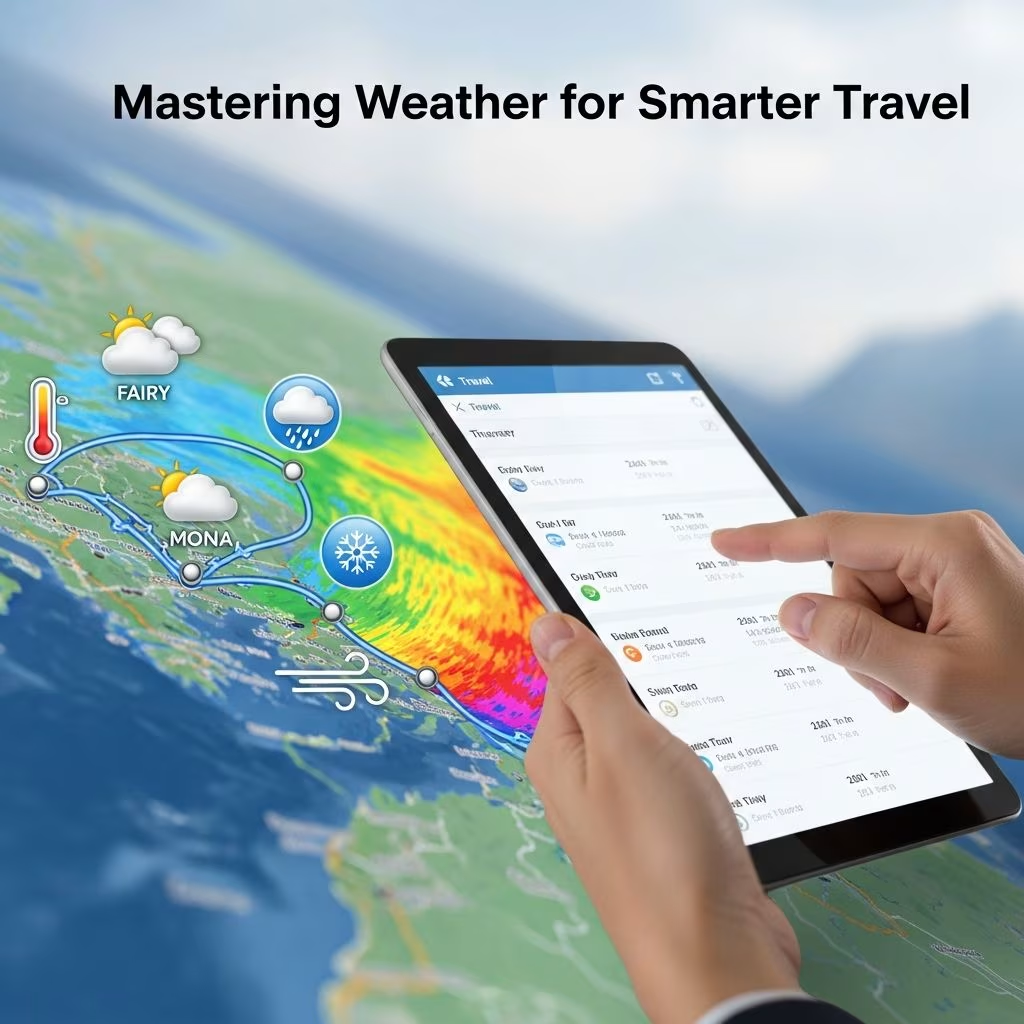
Reliable forecasting is the cornerstone of weather-smart travel. Modern apps and websites provide hyper-local insights, often down to the hour, helping you plan activities with confidence.
Beyond apps, official meteorological agencies like the Met Office in the UK or Environment Canada deliver authoritative data. Always cross-reference multiple sources for the most robust outlook, especially in remote areas where data might be sparse.
Each season brings unique opportunities and challenges. Tailoring your plans to these rhythms ensures comfort and cost savings.
Spring ushers in mild temperatures and blooming landscapes, but watch for pollen highs and late frosts in temperate zones. In Europe, shoulder-season travel from March to May avoids summer crowds while enjoying average highs of 15-20°C (59-68°F). Asia’s cherry blossoms peak then, though expect occasional showers.
High season for beaches, summer demands sun protection amid 25-35°C (77-95°F) heat. Mediterranean spots shine, but hurricane-prone Atlantic regions require monitoring NOAA’s seasonal outlooks. Pack breathable fabrics and stay hydrated.
September to November offers cooler climes (10-25°C/50-77°F) and fewer tourists. New England’s foliage rivals any painting, while Southeast Asia transitions to dry weather post-monsoon.
December to February suits skiers in the Alps (sub-zero temps) or sun-seekers in the Caribbean (25-30°C/77-86°F). Polar vortices can disrupt flights, so flexibility is key.
| Region | Spring (°C/°F) | Summer (°C/°F) | Fall (°C/°F) | Winter (°C/°F) |
|---|---|---|---|---|
| Europe | 10-18/50-64 | 20-30/68-86 | 12-22/54-72 | 0-10/32-50 |
| Caribbean | 24-28/75-82 | 27-31/81-88 | 26-30/79-86 | 25-29/77-84 |
| Southeast Asia | 28-32/82-90 | 28-33/82-91 | 26-31/79-88 | 25-30/77-86 |
The art of packing revolves around versatility. Layering allows adaptation to fluctuating temperatures without excess baggage.
For wet climates, opt for quick-dry materials. In deserts, prioritize loose, light colors. Always include a compact umbrella, reusable water bottle, and portable charger for extended outings.
Despite preparations, nature can surprise. Heat exhaustion claims thousands annually, per CDC reports, while flash floods pose hidden dangers.
Heat Strategies: Schedule activities for cooler hours, seek shade, and recognize symptoms like dizziness. Drink electrolytes proactively.
Cold Protection: Prevent hypothermia with windproof gear and warm layers. In blizzards, stay put if disoriented.
Storm Tactics: Monitor apps for lightning risks; avoid open fields. For hurricanes, heed evacuation orders from local authorities like NOAA.
Travel insurance covering weather delays is invaluable, as noted by the U.S. Department of State.
Weather varies wildly by geography. Tropical zones feature wet/dry divides; mountains amplify extremes with rapid changes.
For expeditions to Alaska or Patagonia, standard apps fall short. Use ECMWF models via Windy for high-altitude precision or satellite imagery from NOAA for oceanic voyages. Apps like PredictWind cater to sailors with route-optimized gust forecasts.
Consult local guides for microclimates—valleys might stay warmer than peaks. Pre-trip, review historical data from WorldClim.org to spot anomalies.
Climate change intensifies weather volatility, per IPCC assessments. Choose low-emission transport, support eco-lodges, and avoid peak-season over-tourism. Carbon offset flights via verified programs like those from the UN’s Gold Standard.
Windy or AccuWeather for global coverage with multiple model overlays.
10-14 days for trends, daily updates a week out, and hourly near arrival.
Yes, severe conditions do; check airline policies and have backups.
Versatile layers, rain gear, and a light puffy jacket.
Absolutely—covers delays, cancellations, and medical issues from extremes.
By integrating these insights, you’ll travel with foresight and flexibility, turning weather from foe to ally. Safe journeys!
