


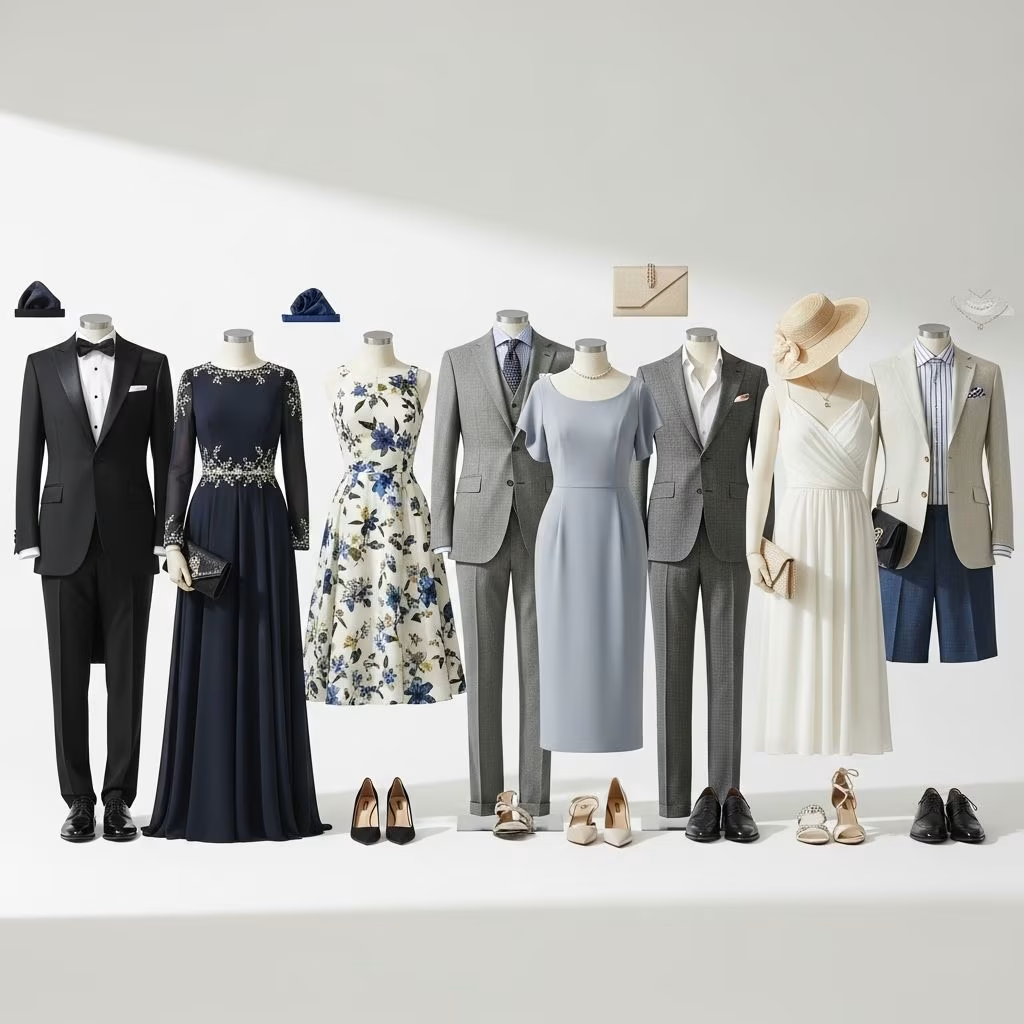
When you receive a wedding invitation, the dress code listed provides essential guidance about the formality level and expected appearance for the event. Understanding what each designation means allows you to make informed choices about your wardrobe while showing respect for the occasion and the couple being celebrated. Wedding dress codes exist on a spectrum ranging from the most elaborate formal requirements to relaxed casual settings, and knowing how to interpret and execute each one ensures you’ll feel confident and appropriately dressed.
The Hierarchy of Formality: From Most to Least Formal
Wedding dress codes follow a clear progression in terms of formality requirements. At the highest end, you’ll encounter white-tie events, which represent the ultimate in formal dressing. Moving down the scale, you’ll find black-tie occasions, followed by black-tie optional designations. Formal attire and cocktail dress codes occupy the middle ground, while semi-formal and casual dress codes represent less structured expectations. Understanding this hierarchy helps you calibrate your clothing choices appropriately.
White-Tie Events: The Pinnacle of Formal Elegance
White-tie attire represents the most formal dress code you’re likely to encounter, typically reserved for significant ceremonial occasions, state events, or exceptionally prestigious celebrations. This dress code appears rarely at modern weddings, but when it does appear, it signals that guests should present themselves in full formal regalia.
White-Tie Guidelines for Women
Women attending white-tie events should select a floor-length evening gown that conveys sophistication and refinement. The silhouette should be elegant, with A-line or sheath configurations being particularly appropriate, though ball gown styles also work depending on the venue’s formality. The gown should touch the floor or reach the top of your shoes, creating an extended line that enhances the formal aesthetic.
Accessories play an integral role in completing a white-tie ensemble. Long silk gloves reaching the elbow demonstrate adherence to traditional formal standards. Your jewelry should represent your finest pieces—think statement necklaces, chandelier earrings, or elegant bracelets. Even tiaras are acceptable at white-tie events, adding regal grandeur to your appearance. Select sleek formal footwear in metallic or neutral tones, and carry a sophisticated clutch or small evening bag.
White-Tie Guidelines for Men
Men should wear a dark tailcoat that extends to approximately the back of the knee, creating the distinctive silhouette associated with white-tie formality. Underneath the tailcoat, pair a pristine white button-down shirt with a white waistcoat or vest. The white bow tie and matching cummerbund complete the upper half of this formal ensemble.
Trousers should precisely match the tailcoat’s fabric and color, and must include a satin stripe running down the outer seam of each leg. Black formal shoes—typically oxfords or opera shoes—complete the outfit. A top hat may be worn as an additional formal flourish, though it’s not universally required.
Black-Tie Weddings: Sophisticated and Structured
Black-tie attire sits just below white-tie in the formality spectrum and represents one of the most recognized and common upscale wedding dress codes. This designation allows less interpretation than white-tie but still maintains strict standards. Black-tie weddings call for elegant, refined clothing that demonstrates respect for the occasion’s significance.
Black-Tie Guidance for Women
Women should wear either a dressy cocktail dress or a formal long gown, depending on personal preference and body confidence. If selecting a floor-length option, ensure the gown touches the ground or the tops of your shoes, maintaining that extended elegant line. Knee-length cocktail dresses are also appropriate, though they should still feel formal and sophisticated rather than playful or trendy.
Footwear choices matter significantly at black-tie events. Closed shoes or heels are essential—open-toe flats and casual sandals detract from the formal aesthetic. Accessorize with refined jewelry pieces and consider elegant dress shoes in metallic finishes or classic black tones.
Black-Tie Guidance for Men
Men must wear a traditional tuxedo with matching trousers featuring a satin stripe along the side seam. Pair the tuxedo jacket with a crisp white or black shirt and a black bow tie. A black waistcoat or cummerbund provides necessary structure and formality to the ensemble. Cuff links add a polished finishing touch, and black formal shoes—preferably oxfords—complete the look.
For summer black-tie weddings, a white dinner jacket with black tuxedo trousers offers an acceptable alternative that maintains formality while acknowledging seasonal considerations.
Black-Tie Optional: Balancing Formality and Flexibility
When an invitation specifies black-tie optional, it creates a middle ground that can initially seem confusing. This designation means formal black-tie attire is welcome, but not absolutely required. Guests can opt for less formal clothing while still presenting a polished appearance.
For women, a knee-length or midi cocktail dress becomes appropriate, as does a floor-length evening gown if preferred. The key distinction from strict black-tie is that showing the ankles becomes acceptable, allowing for greater variety in style and silhouette.
Men can wear either a traditional tuxedo or a dark suit paired with dress pants and nice loafers. This flexibility acknowledges that not all guests may own formal tuxedos while still maintaining an elegant standard. The time of day can influence choices—evening events may call for more formal selections, while afternoon celebrations might permit slightly less structured options.
Formal Attire: The Middle Ground of Wedding Dressing
Formal attire represents one of the most common wedding dress codes, striking a balance between structured requirements and personal expression. This designation is less stringent than black-tie but more elevated than cocktail or casual settings.
Women’s Formal Wear Selections
Women can wear an elegant dress, a sophisticated cocktail dress, or a tasteful pantsuit. A floor-length formal gown works beautifully, but isn’t necessary—midi dresses, knee-length cocktail dresses, or dressy skirt-and-blouse combinations are equally appropriate. Jumpsuits have become increasingly acceptable formal wear options, particularly when tailored and styled elegantly.
The key principle is selecting clothing that feels polished and refined without appearing overly embellished or attention-seeking. Since the celebration centers on the bride and groom, guest attire should complement rather than compete with the couple’s appearance. When uncertain about formal requirements, erring toward more dressed-up selections is always a safe approach.
Men’s Formal Wear Selections
Men can wear a traditional suit with a jacket and tie, which remains the foundation of formal male attire. A tuxedo is optional rather than required at formal events, distinguishing this category from black-tie occasions. Dark colors—navy, charcoal, or black—are most appropriate, though lighter shades can work depending on the time of day and season.
Pair the jacket with dress pants and a crisp button-down shirt in white or light colors. A tie completes the ensemble, though some formal daytime weddings may permit ties to be optional depending on regional customs and the couple’s preferences.
Cocktail Attire: Elevated but Less Formal
Cocktail dress codes signal a step down from formal wear while still maintaining sophistication and polish. This designation allows for greater creativity and personal style expression compared to stricter formal categories.
Women’s Cocktail Outfit Options
Women should select a short cocktail dress that falls on the more formal side of the cocktail spectrum, ensuring it feels elegant rather than casual. Alternatively, an elegant jumpsuit paired with refined jewelry creates a sophisticated alternative to traditional dresses. The emphasis should be on quality fabrics, flattering cuts, and polished accessories that elevate the overall impression.
Men’s Cocktail Attire
Men should wear a suit and tie with a crisp black or white shirt and dress pants. This combination provides a put-together appearance that respects the occasion without requiring full formal wear.
Semi-Formal Weddings: Day and Evening Considerations
Semi-formal dress codes acknowledge that the time of day significantly influences appropriate clothing choices. Daytime semi-formal events typically call for lighter, brighter colors and more breathable fabrics, while evening celebrations warrant darker, more formal palettes.
Women’s Semi-Formal Options
Women can wear midi or knee-length dresses with more flexibility in color and style compared to formal occasions. Dressy skirt-and-top combinations, chic jumpsuits, or wrap dresses all work well for semi-formal settings. Lighter colors and fabrics suit daytime events, while evening celebrations call for deeper tones and more substantial materials.
Floor-length gowns should be avoided at semi-formal events, as they may appear overdressed and detract from the couple’s prominence. The goal is looking polished and intentional without achieving the full formality of black-tie or formal wear.
Men’s Semi-Formal Considerations
Men should wear dress trousers or slacks paired with a nice shirt in colors that complement the time of day. Darker or neutral colors work for evening events, while lighter shades suit daytime celebrations. Ties are welcome but typically optional at semi-formal weddings, allowing men to adjust the formality level based on personal preference and comfort.
Casual Wedding Attire: Comfortable and Respectful
Casual wedding dress codes appear for relaxed celebrations, often garden parties, backyard weddings, or informal afternoon gatherings. While casual permits greater comfort and personal expression, it still requires respectful presentation.
Women might wear nice sundresses, linen trousers with elegant tops, or comfortable but stylish outfits that feel appropriate for a celebratory occasion. Men can wear khakis with button-down shirts, or comfortable dress pants with nice tops. The principle remains selecting clothing that demonstrates respect for the event despite the relaxed dress code designation.
Key Considerations Across All Dress Codes
Understanding Time-of-Day Influences
The time of day significantly impacts appropriate clothing selections, particularly for semi-formal and cocktail events. Daytime celebrations often call for lighter colors, brighter fabrics, and slightly less formal presentations. Evening weddings typically warrant darker hues, more luxurious materials, and elevated formality levels.
Seasonal Appropriateness
Consider the season when selecting wedding attire. Summer black-tie events may accommodate white dinner jackets instead of traditional black tuxedos. Winter formal wear might incorporate richer colors and heavier fabrics. Spring and fall allow for broader color palettes and varied fabric weights.
Venue Formality Indicators
The wedding venue provides context clues about appropriate formality levels. Black-tie events at grand ballrooms or historic estates suggest maintaining strict formal standards. Casual weddings at parks or beaches signal greater flexibility and comfort-oriented choices.
Common Mistakes to Avoid
- Wearing white or ivory—reserved for the bride in most Western traditions
- Selecting overly casual clothing for formal or black-tie events
- Choosing outfits that draw excessive attention away from the celebration’s focus
- Ignoring the specified dress code entirely
- Wearing uncomfortable shoes that impede enjoyment of the celebration
- Selecting ill-fitting garments regardless of formality level
- Incorporating excessive embellishments that compete with the bride’s appearance
Frequently Asked Questions About Wedding Dress Codes
Is it acceptable to wear black to a wedding?
Black is appropriate for most formal and black-tie weddings. However, check regional customs or specific couple preferences, as some cultures or individuals prefer to reserve black for solemn occasions. Black-tie events specifically call for black attire, making it an excellent choice for these formal celebrations.
What should I wear if I’m unsure about the dress code?
When uncertain, default to more formal selections. Wearing a dark, well-tailored suit or floor-length formal dress ensures you’ll be appropriately attired regardless of interpretation differences. It’s better to appear slightly overdressed than underdressed for a wedding celebration.
Can I wear pants to formal weddings?
Formal pantsuits and dressy jumpsuits have become increasingly acceptable formal wear options for women. Select tailored, sophisticated styles in formal colors to ensure the ensemble feels appropriately elevated for the occasion.
Are accessories important for achieving proper wedding attire?
Accessories significantly enhance and complete formal outfits. Proper jewelry, shoes, and accessories demonstrate attention to the dress code and respect for the occasion. Even casual events benefit from thoughtful accessory selections.
References
- Wedding Guest Dress Code Guide — Lettering By GRG. Retrieved from https://letteringbygrg.com/blog/guest-attire
- Wedding Guest Dress Code Guide — Gowns of Grace Bridal. Retrieved from https://www.gownsofgracebridal.com/blog/wedding-guest-dress-code-guide
- What Wedding Attire Dress Codes Mean for Guests — The Knot. Retrieved from https://www.theknot.com/content/wedding-guest-attire-cheat-sheet
- Wedding Guest Attire: The Complete Style Guide — Generation Tux. Retrieved from https://generationtux.com/blog/style-guides/wedding-guest-attire-the-complete-style-guide
- The Spring Wedding Guest Guide – Dress Code Tips & More — Bloomingdale’s. Retrieved from https://www.bloomingdales.com/c/editorial/women/wedding-guest-guide/

