

 Travel Essentials
 Travel Essentials

A comprehensive guide to traversing Queensland's Wellness Way, featuring artesian hot springs, historic towns, and unique outback experiences across the Great Artesian Basin.
 Travel Essentials
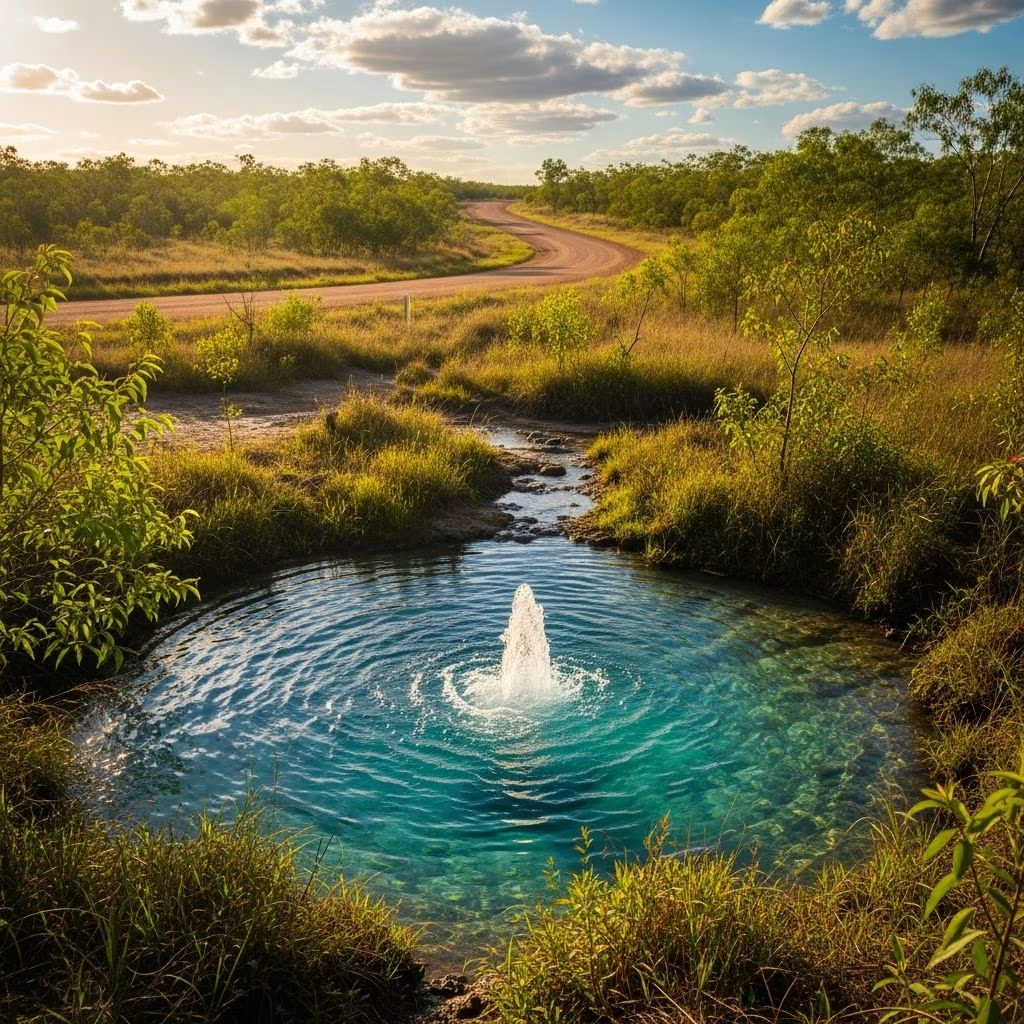
Queensland’s vast interior represents one of Australia’s most compelling travel destinations, encompassing nearly 68% of the state’s territory as an expansive arid wilderness. Within this remarkable landscape lies the Wellness Way, a contemporary road-trip corridor that connects approximately two dozen mineral-enriched artesian springs emerging from the subterranean Great Artesian Basin. This route combines natural thermal attractions with cultural heritage sites, creating an ideal itinerary for travelers seeking authentic outback experiences without requiring weeks of travel time.
The Wellness Way represents one of Queensland’s most recent road-trip developments, thoughtfully designed to showcase the region’s geothermal resources and rural communities. The entire route can be completed in varying timeframes depending on your starting point and available days. Most travelers begin from Brisbane, with completion times ranging from four to five days, though compressed versions allow for shorter visits to selected highlights.
This corridor traverses through multiple climate zones and landscape types, from the rolling agricultural regions near Brisbane to the stark red-earth terrain characteristic of deep outback territory. The journey involves approximately 500 kilometers of driving in the initial stages, gradually transitioning into more remote environments as you venture westward.
The journey begins in Brisbane, Queensland’s vibrant capital, with a substantial 500-kilometer drive westward through the state’s rural southeastern regions. This opening stage represents a crucial acclimatization period, allowing travelers to adjust to longer driving distances while experiencing the transition between developed areas and countryside settings.
Key activities and stops during this initial stage include:
The Criterion Pub in St George offers an excellent opportunity to experience traditional Australian country hospitality while refueling before the subsequent 300-kilometer drive through increasingly remote landscape.
Accommodations throughout the Wellness Way corridor frequently feature heated pools filled with artesian water containing therapeutic mineral blends. These facilities represent the route’s defining characteristic, offering visitors opportunities to experience geothermal waters in comfortable, accessible settings.
The Pelican Rest Tourist Park in St George exemplifies these accommodations, providing spacious cabin options with 12-meter heated pools infused with mineral-rich artesian water. Many facilities offer self-catering options, allowing guests to prepare meals in communal kitchen areas or explore nearby dining establishments.
Beyond thermal attractions, the outback route provides access to significant geological sites revealing Australia’s prehistoric past. The region contains important fossil deposits and natural formations representing millions of years of earth history.
Notable paleontological destinations include:
Queensland’s outback comprises working agricultural landscapes where contemporary rural life continues relatively unchanged from earlier generations. Many properties welcome visitors to experience station life, participate in agricultural activities, and understand the challenges and rewards of outback living.
Typical outback station experiences may include:
The landscape transformation becomes increasingly apparent as travelers progress westward, with distinctive red-earth terrain replacing earlier pastoral scenery. Indigenous wildlife, including emus and other native species, becomes visible with greater frequency as human development diminishes.
Scenic driving routes through the region showcase diverse ecological zones, from wildflower plains to black soil flats and sandy hills. Strategic timing, such as visiting during September, provides opportunities to witness unique regional events and seasonal natural phenomena.
The route traverses numerous small communities, each featuring distinct historical significance and cultural characteristics. These towns preserve evidence of Queensland’s pioneering era and ongoing rural heritage.
Cultural and historical exploration opportunities include:
Some establishments have operated continuously since the 1600s, representing some of Australia’s oldest licensed hospitality venues.
Successful outback travel requires advance preparation addressing specific regional challenges and opportunities. Radio reception becomes inconsistent once you leave developed areas, making entertainment preparation essential. Fuel availability decreases in remote sections, necessitating strategic refueling at identified stations.
Essential planning elements include:
Beyond thermal springs and historical sites, the region offers recreational opportunities and unique attractions reflecting local character and natural features.
| Location | Primary Attraction | Activity Type |
|---|---|---|
| Eulo | Artesian Mud Baths | Wellness and Recreation |
| Quilpie | Opal Fossicking | Geological Exploration |
| Windorah | Nature Drive Loop | Scenic Touring |
| Various Towns | Local Pubs and Dining | Culinary Experience |
Lodging ranges from rustic tourist parks with basic facilities to restored heritage properties offering boutique experiences. Most establishments provide air conditioning and comfortable bed arrangements despite their remote locations. Many feature communal facilities encouraging guest interaction and information sharing.
Tourist parks typically offer powered caravan sites alongside cabin accommodations, providing flexibility for different traveler preferences and budgets. Heritage properties often provide more personalized hospitality experiences with opportunities to interact with knowledgeable property owners.
Seasonal considerations significantly impact the Queensland outback experience. The cooler months generally provide more comfortable driving conditions, while certain seasons showcase specific regional events and natural phenomena. September timing enables visitors to witness distinctive regional celebrations featuring local participation and cultural significance.
The artesian basin represents a significant water resource requiring careful stewardship for future accessibility. Travelers should practice water conservation even when accessing seemingly abundant geothermal supplies. Respecting private property boundaries, minimizing environmental impact, and supporting local businesses contributes to sustainable tourism supporting rural communities.
