


 Food & Culture
Food & Culture
West Sweden Food Guide: Seafood, Markets & Culinary Tours
Explore West Sweden's rich culinary landscape through langoustines, regional specialties, and immersive food experiences along the Bohuslän coast.
 Food & Culture
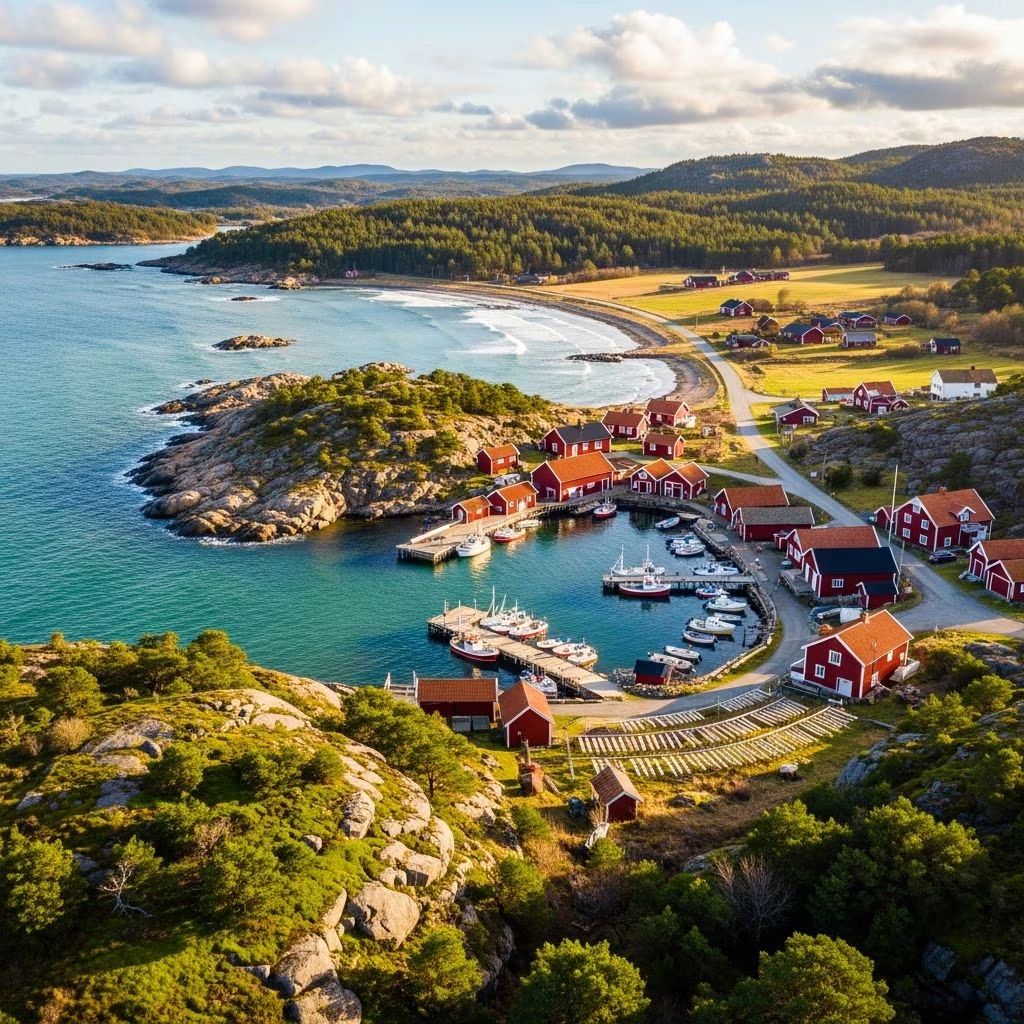
West Sweden represents one of Northern Europe’s most compelling culinary destinations, where centuries-old maritime traditions blend seamlessly with contemporary gastronomy. The region encompasses three distinct provinces—Bohuslän, Dalsland, and Västergötland—each contributing unique flavors and ingredients to the broader West Swedish food identity. What distinguishes this corner of Sweden is not merely the quality of individual dishes, but rather a deeply rooted philosophy that prioritizes locally-sourced ingredients, sustainable practices, and respect for traditional preparation methods.
For travelers seeking authentic gastronomic experiences, West Sweden offers far more than typical tourist dining. The region invites visitors to participate actively in food production and preparation, transforming meals from passive consumption into educational and memorable events. Whether harvesting shellfish from pristine waters, visiting family-run farms, or dining at clifftop restaurants overlooking the North Sea, the food journey through West Sweden tells the story of a people intimately connected to their natural landscape.
The Foundation of West Swedish Gastronomy
The culinary traditions of West Sweden developed over generations through direct interaction with the region’s abundant natural resources. The proximity to the North Sea created a fishing-dependent culture where knowledge of ocean conditions, fish species, and preservation techniques became essential survival skills. These historical necessities evolved into sophisticated culinary practices that define modern West Swedish cuisine.
The provinces within West Sweden maintain distinct yet complementary food traditions. Bohuslän, stretching along the rocky coast, became synonymous with shellfish harvesting and preservation. Dalsland, positioned further inland with dense forests and pristine lakes, developed traditions centered on freshwater fish, game, and forest products. Västergötland, combining agricultural lands with smaller water bodies, cultivated a more diversified approach incorporating both land and water-based ingredients.
Despite these regional variations, a unifying principle connects all West Swedish cooking: the commitment to quality ingredients prepared with minimal intervention. Rather than masking flavors through complex sauces or elaborate techniques, West Swedish chefs allow the natural character of each ingredient to shine. A perfectly prepared langoustine requires only gentle heat and perhaps a squeeze of lemon; a traditional herring preparation celebrates the fish’s inherent qualities rather than obscuring them.
Langoustines and the Shellfish Heritage
Among all Swedish seafood, langoustines occupy a position of particular reverence along the West Coast. These elegant crustaceans—smaller relatives of Atlantic lobsters—possess delicate pink shells and succulent, sweet flesh that distinguishes them from their larger cousins. The langoustine’s flavor profile reflects the cold, mineral-rich waters of the Bohuslän coast, resulting in a subtle complexity that appeals to discerning palates worldwide.
The seasonal availability of langoustines creates a rhythm to West Swedish dining culture. During peak season, restaurants feature them prominently on menus, and home cooks incorporate them into family celebrations. Traditional preparation methods remain largely unchanged over decades: langoustines are either briefly grilled with minimal seasoning or incorporated into classic dishes like the beloved “räkor” (Swedish shrimp, though the term extends to langoustines as well).
Beyond langoustines, the West Coast claims mastery over five primary shellfish varieties collectively known as the region’s “Big Five”—lobsters, oysters, mussels, crawfish, and prawns. Each species occupies a specific ecological niche and carries cultural significance. Understanding these distinctions separates casual visitors from genuine food enthusiasts exploring the region.
Exploring Shellfish Through Active Participation
A transformative approach to understanding West Swedish seafood involves direct participation in harvesting and preparation activities. Several establishments now offer “shellfish journeys”—immersive experiences where visitors board fishing vessels to haul lobsters and crawfish from the seafloor, visit working mussel farms to select specimens, or participate in oyster cultivation. These hands-on experiences create emotional connections to food that purely consumption-based tourism cannot achieve.
At facilities like Musselbaren in Ljungskile, visitors combine farm visits with cooking instruction, learning traditional techniques while working directly with ingredients harvested moments earlier. This farm-to-plate approach compresses the distance between production and consumption, allowing participants to understand the labor, knowledge, and environmental conditions required to bring these foods to the table.
Coastal and Inland Culinary Expressions
The distinction between coastal and inland cooking traditions reflects fundamental differences in available resources and cultural development. Coastal communities organized themselves around maritime industries, developing sophisticated knowledge of fish species, preservation techniques, and seasoning combinations that enhance rather than mask delicate seafood flavors. Inland regions, by contrast, cultivated traditions emphasizing freshwater species, game, and foraged products from surrounding forests.
Freshwater crayfish represent the inland counterpart to coastal langoustines. These smaller crustaceans, prepared most famously in red (or black before cooking) varieties, appear prominently on Swedish tables during late summer celebrations. The preparation tradition—boiling in heavily salted water with dill—creates a communal dining experience where crayfish are consumed casually, their shells discarded, and fingers dunked in flavored water between bites.
This contrast between coastal elegance and inland informality reflects deeper cultural values. Coastal dining emphasizes presentation, precision, and the individual’s refined palate. Inland traditions prioritize abundance, conviviality, and the pleasure of gathering together. Neither approach claims superiority; instead, they represent different valid expressions of Swedish food culture.
From Market to Table: The Gothenburg Experience
Gothenburg, West Sweden’s largest city, functions as both a gastronomic hub and gateway to broader regional exploration. The city’s Market Hall serves as a sensory introduction to West Swedish ingredients, featuring local vendors offering fresh seafood, regional cheeses, artisanal breads, and specialty products from surrounding areas. Guided market tours allow visitors to navigate vendor relationships, understand ingredient selection criteria, and sample products while learning historical context from knowledgeable guides.
Beyond the market, Gothenburg’s restaurant scene reflects the region’s culinary philosophy. Establishments ranging from casual seafood shacks to fine-dining establishments feature menus built upon West Coast ingredients and traditional preparation methods. Restaurants strategically position themselves to take advantage of fresh deliveries, changing menus seasonally and sometimes daily based on market availability.
The concept of “fika”—Sweden’s distinctive coffee break culture—integrates seamlessly into Gothenburg’s food tourism offerings. Traditional fika experiences pair carefully selected Swedish cakes and pastries with premium coffee, creating moments for reflection and social connection. Many guided food tours incorporate fika stops, allowing visitors to experience this cultural ritual within its proper context.
Beyond the City: Regional Food Destinations
Authentic West Swedish gastronomy extends well beyond Gothenburg’s urban boundaries. Small towns and rural areas house some of the region’s most significant food experiences. Ramsvik, a coastal village accessible via scenic drives through Bohuslän, hosts Edible Country, an experience-based dining concept where guests prepare meals under professional guidance while seated on rocks overlooking the sea. This unique venue transforms cooking into performance art, with the natural landscape providing both aesthetic backdrop and ingredient source.
Further exploration reveals family-operated farms and specialty producers maintaining traditional methods. Lyckans Äpple, an organic apple farm, combines centuries-old cultivation techniques with modern sustainability practices, producing ciders and preserves that represent the region’s agricultural heritage. The Bitterna Akatorp sheep farm showcases pastoral traditions while offering farm-shop experiences connecting visitors directly to producers.
Inland regions feature establishments like Mellbygatans Restaurant in Lidköping, where classic Swedish comfort food meets innovative contemporary cuisine inspired by European and Asian culinary traditions. These institutions demonstrate how regional traditions remain dynamic, evolving through creative interpretation rather than static preservation.
Specialized Food Experiences and Tours
| Experience Type | Duration | Location | Key Activities |
|---|---|---|---|
| Market Hall Walking Tour | 3 hours | Gothenburg | Vendor visits, tastings, cultural education |
| Shellfish Journey | Full day | Bohuslän Coast | Harvesting, farm visits, preparation |
| Seaside Dining Experience | 3-4 hours | Ramsvik | Meal preparation, dining by water |
| Farm Visits | 2-3 hours | Rural West Sweden | Production observation, tasting, purchasing |
Organized food tours serve multiple functions beyond mere consumption. Expert guides contextualize ingredients within historical, environmental, and cultural frameworks, transforming tastings into educational experiences. Private tours offer personalized itineraries tailored to specific interests, whether focusing on vegetarian options, specific seafood varieties, or particular regional traditions.
The Market Hall-based tours in Gothenburg represent particularly accessible entry points for visitors unfamiliar with West Swedish cuisine. These experiences typically include tastings at multiple vendors, coffee or beverages, and Swedish cakes, providing sufficient sampling to constitute complete meals while allowing exploration across diverse product categories. Tours often conclude with insider recommendations regarding optimal dining venues and shopping strategies for sourcing quality ingredients independently.
Seasonal Rhythms and Ingredient Availability
West Swedish food culture operates according to seasonal cycles that determine ingredient availability and inspire menu variations. Shellfish seasons vary by species: langoustines peak during summer months, while crayfish dominate late summer celebrations. Spring brings fresh vegetables and tender game, while autumn offers mushrooms, berries, and preserving opportunities that extend seasonal abundance throughout winter months.
This seasonal orientation means that authentic West Swedish dining involves accepting limitations and changing availability rather than expecting consistency. Restaurants that genuinely honor regional traditions maintain menus reflecting current harvests rather than year-round availability of specific items. This approach creates dining experiences that feel connected to place and time rather than hermetically sealed in standardized offerings.
Understanding these seasonal patterns enhances travel planning. Summer visits provide optimal opportunities for shellfish experiences and seaside dining, while spring and autumn offer alternative advantages including fewer crowds and emphasis on different ingredient categories. Winter dining features preserved products and root vegetables, representing legitimate and worthwhile seasonal expressions.
The Fish Industry and Market Infrastructure
Comprehending West Swedish food culture requires understanding the infrastructure supporting it. Sweden’s fish auctions represent critical components in this system, where commercial and private buyers assess, bid on, and acquire fresh catch within hours of landing. Visiting these auctions provides insight into species diversity, quality assessment criteria, and the economic realities sustaining fishing communities.
The relationship between commercial fishing operations and restaurant kitchens remains direct and personal in West Sweden, particularly among smaller establishments. Many restaurants maintain relationships with specific fishing crews, allowing chefs to specify preferences regarding species size, catch timing, and preparation requirements. This network approach ensures ingredient quality while supporting local economic vitality.
Agricultural and Pastoral Traditions
Beyond seafood, West Swedish cuisine incorporates agricultural products reflecting regional soil, climate, and farming practices. Apple cultivation in areas like the Lyckans Äpple farms demonstrates how heritage varieties maintained through family operations contribute distinctive flavors unavailable through industrial agriculture. These apples, grown without synthetic pesticides according to organic principles, produce ciders and preserves carrying terroir characteristics reflecting specific terrains.
Sheep farming in regions like Bitterna Akatorp represents another significant agricultural tradition. Lamb from these operations supplies local restaurants and farm shops, providing meat reflecting pastoral diet and exercise rather than intensive confinement systems. The quality difference manifests in flavor complexity and texture that justify premium pricing and special status on restaurant menus.
Planning Your West Swedish Culinary Journey
Visitors planning gastronomic explorations of West Sweden benefit from structured yet flexible approaches. Beginning in Gothenburg allows acclimatization to regional ingredients and food culture through market exposure and guided tours. Subsequent journeys extending into Bohuslän, Dalsland, or Västergötland provide deeper engagement with specific traditions and landscapes.
Practical considerations include booking specialized experiences well in advance, as hands-on activities like shellfish harvesting or seaside cooking classes maintain limited participant numbers. Traveling with flexible meal timing allows spontaneous discoveries at market stalls or farm shops, experiences that cannot be scheduled but reward observant exploration. Building relationships with guides or restaurant staff leads to recommendations regarding lesser-known venues and current special offerings.
Seasonal timing influences experience availability and optimal conditions. Summer provides maximum activity options and pleasant weather, though crowds increase accordingly. Spring and autumn offer compelling alternatives with seasonal ingredient focus and reduced tourism pressure. Even winter presents validity for visitors seeking authentic local experiences unburdened by peak-season expectations.
Cultural Significance and Future Directions
West Swedish culinary traditions represent more than gastronomic preferences; they embody cultural identity, environmental relationships, and community values accumulated across generations. Contemporary challenges including climate change, overfishing concerns, and rural economic pressures threaten these traditions, yet growing interest in authentic, local food experiences provides countervailing economic incentives supporting traditional producers and preparation methods.
The emergence of farm-to-table dining, sustainable fishing practices, and experiential food tourism represents evolution rather than abandonment of traditional approaches. Young people increasingly recognize career opportunities within food production, processing, and tourism, revitalizing communities that faced population decline and economic uncertainty. These developments suggest West Swedish food culture will remain vital and relevant for coming generations, though necessarily adapted to contemporary circumstances.
References
- Gothenburg: Swedish Westcoast Food Walking Tour — GetYourGuide. 2024. https://www.getyourguide.com/gothenburg-l479/gothenburg-swedish-westcoast-food-walking-tour-t927162/
- Gothenburg Private West Coast Swedish Food Tour 2026 — Viator. 2026. https://www.viator.com/tours/Gothenburg/Gothenburg-Tasting-of-Swedish-west-coast-food/d4280-89617P63
- Exploring West Sweden through food — Lola Akin Made. https://www.lolaakinmade.com/europe/shellfish-journeys-west-sweden-culinarysweden/
- A Culinary Tour of West Sweden — AFAR. https://www.afar.com/journeys/a-culinary-tour-of-west-sweden
- Exploring the Cuisine of Gothenburg and West Sweden — Honest Cooking. https://honestcooking.com/exploring-the-cuisine-of-west-sweden/
- Food Safari in West Sweden — Pure Food & Travel. https://www.purefoodtravel.com/food-safari-west-sweden/
- Best food and drink experiences in West Sweden & Gothenburg — Västsverige. https://www.vastsverige.com/en/eat-and-drink/a-taste-of-west-sweden/
On This Page
The Foundation of West Swedish Gastronomy Langoustines and the Shellfish Heritage Coastal and Inland Culinary Expressions From Market to Table: The Gothenburg Experience Beyond the City: Regional Food Destinations Specialized Food Experiences and Tours Seasonal Rhythms and Ingredient Availability The Fish Industry and Market Infrastructure Agricultural and Pastoral Traditions Planning Your West Swedish Culinary Journey Cultural Significance and Future Directions← Previous
Midsummer in Swedish Lapland: Midnight Sun, Traditions & 5-Day Itinerary
Next →
Swedish Midsummer in Stockholm: Best Archipelago Celebrations for 2026
Related Reading
More in Food & Culture
Food & Culture Food & Culture
 Food & Culture
Best Places to Eat in Rome: Neighborhood Dining Guide
 Food & Culture
 Food & Culture