

 Travel Essentials
 Travel Essentials

Explore West Virginia's month-long autumn display, from mountain peaks to river valleys, with peak color windows for each region and top destinations.
 Travel Essentials
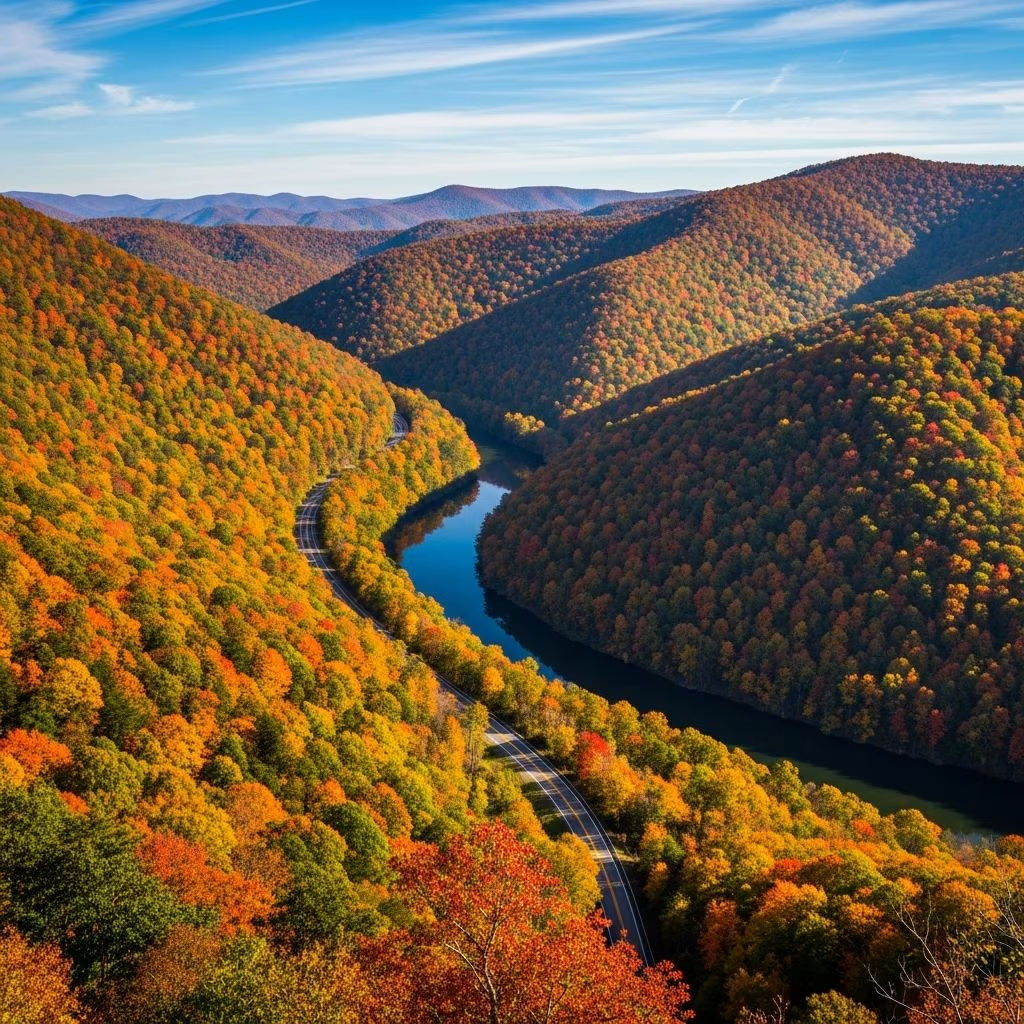
West Virginia offers one of America’s most distinctive and prolonged autumn experiences, thanks to its varied topography. Unlike regions with a compressed fall season, the Mountain State stretches its display of golden leaves, crimson maples, and bronzed hickories across nearly four weeks. This geographical advantage allows travelers to chase peak color conditions throughout the season by moving from higher elevations to lower valleys, maximizing their opportunities to witness nature’s most vibrant transformation.
The foundation of West Virginia’s extended foliage season lies in its dramatic variation in elevation. The state’s terrain ranges from a few hundred feet above sea level in its lower valleys to several thousand feet in its mountain regions. This elevation difference creates a natural cascade effect, where cooler temperatures at higher altitudes trigger leaf color changes weeks before they occur in lower regions.
Autumn typically arrives first in the mountains, working its way down into the valleys and plains. This staggered progression means that instead of experiencing a single peak foliage week, visitors can strategically plan trips throughout the season to encounter vibrant color displays regardless of when they travel. The phenomenon operates similarly to how fall moves from north to south across the country, but compressed into West Virginia’s mountainous terrain.
The Potomac Highlands region experiences the earliest color changes, as its elevation consistently exceeds 2,500 feet. Travel to these areas during the final weeks of September or the first week of October to witness the season’s opening act.
Premier destinations in this zone include:
Early October also brings vibrant conditions to Mountaineer Country, which encompasses the north-central region. Coopers Rock State Forest becomes particularly spectacular during this period, offering dramatic overlooks of the Monongahela River Valley. The West Virginia Botanic Garden and Stonewall Resort State Park provide more cultivated autumn experiences, with designed landscapes showcasing carefully selected specimen trees.
By mid-October, peak foliage expands significantly beyond the highest elevations. Fayette County reaches its color peak between mid and late October, marking the season’s climactic period for central West Virginia tourism.
This region’s highlights feature:
The Greenbrier Valley also enters its peak color phase during mid-October, making this an ideal time for visitors interested in exploring the region’s historic towns and resort communities alongside nature’s autumn show.
October’s final weeks showcase the Mountain State’s southern and eastern regions as elevation gradually decreases. Southern West Virginia and the Eastern Panhandle display final bursts of vibrant color throughout late October, providing the season’s grand finale.
Key destinations during this final phase include:
The Eastern Panhandle region completes the season with destinations including Harpers Ferry, Berkeley Springs State Park, and Cacapon Resort State Park, all offering significant cultural and recreational amenities alongside natural scenery.
West Virginia’s foliage displays vary not only by elevation and timing but also by tree species composition across regions. Higher elevations favor spruce and hardwood forests, where trees turn earlier and display different color palettes than lower-elevation oak-dominated forests. Understanding these patterns helps visitors anticipate color quality during their preferred travel dates.
Early-season destinations like Blackwater Falls feature abundant birch and maple species that produce brilliant yellows and oranges. Mid-season destinations showcase mixed hardwoods with diverse color ranges. Late-season locations benefit from oak forests displaying deep burgundy and russet tones that persist longer than brighter yellows.
Several factors influence foliage timing and intensity within West Virginia’s extended season. Weather conditions significantly impact color development – cool nights and sunny days accelerate color change and enhance vibrancy. Early frost events at higher elevations can trigger rapid color changes, while warm autumns may delay peak conditions in lower regions.
Visitors planning fall trips should consider:
Newcomers to West Virginia autumn tourism benefit from understanding the state’s distinctive characteristics. Unlike New England, where foliage tourism concentrates into a few compressed weeks, West Virginia’s extended season reduces pressure on infrastructure and accommodations during any single week. This dispersed visiting pattern allows for more flexible trip planning and better chances of securing lodging even during peak color periods.
First-time visitors should consider multi-region itineraries rather than concentrating on single locations. A two-week trip in mid-October could include northern mountains early in the trip when higher elevations still display vibrant colors, followed by southern river valleys later when those regions reach peak conditions. This strategy maximizes foliage viewing opportunities while providing variety in landscapes, cultural experiences, and recreational activities.
Photography enthusiasts should invest in polarizing filters to enhance foliage colors and reduce glare from wet leaves after rain. Early morning shoots before tourist crowds arrive often yield superior images with dramatic lighting conditions. Visiting less-famous overlooks and hiking trails provides opportunities for unique foliage photography without crowds of other photographers sharing the same compositions.
