

 Travel Essentials
 Travel Essentials

Uncover the ultimate guide to West Virginia's highlands: scenic drives, thrilling hikes, charming towns, and stargazing spots for an unforgettable adventure.
 Travel Essentials
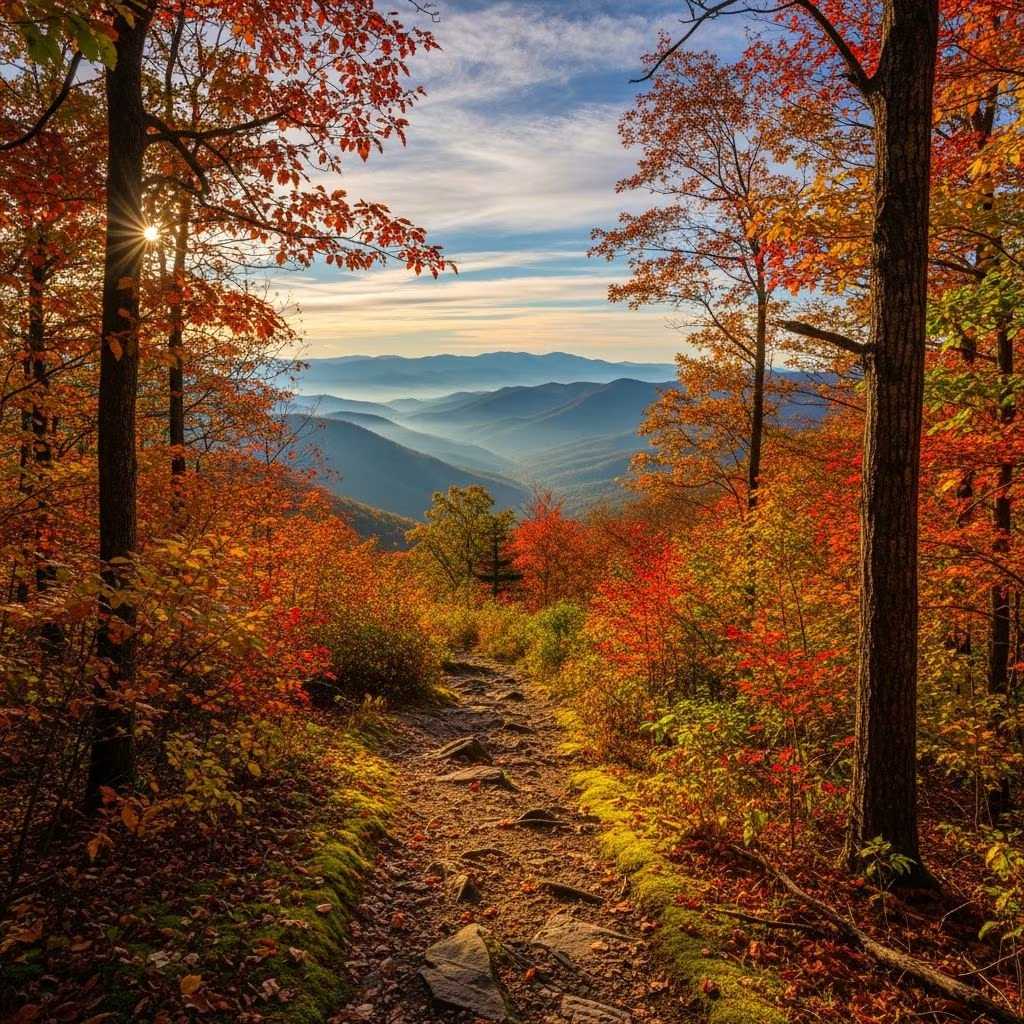
West Virginia’s highlands offer a captivating blend of towering peaks, lush forests, and cascading waterfalls, making it an ideal destination for outdoor enthusiasts. Nestled in the Allegheny Mountains within the Monongahela National Forest, this region boasts diverse ecosystems, from windswept plateaus to glacial bogs, providing endless opportunities for hiking, scenic drives, and wildlife spotting.
The allure of the West Virginia highlands lies in their untouched natural beauty and rich cultural heritage. Steep forested hills and crystal-clear streams create a playground for hikers, bikers, and anglers, while winding roads reveal vibrant fall foliage and snowy winter landscapes. This area, part of the Potomac Highlands, stands out for its elevation changes, cooler summit climates, and unique geological formations like quartzite fins and highland bogs.
Visitors are drawn to the contrast between rugged wilderness and cozy mountain towns, where local cuisine and artisan crafts add warmth to the adventure. With designated national scenic byways and the first national recreation area by the USDA Forest Service, the region promises immersive experiences amid ancient geology and resilient Appalachian culture.
Before setting out, consider the best times to visit: summer for milder high-elevation temperatures and wild berry picking, fall for colorful leaves, and winter for snow sports. Note that some roads, like sections of WV 150, close in winter due to maintenance. Pack layers for variable weather, sturdy hiking boots, and insect repellent for bog areas.
The **Highland Scenic Highway**, a 43-mile National Scenic Byway, winds through the southern Monongahela National Forest from Richwood to US 219 near Marlinton. Rising from 2,325 feet to over 4,500 feet, it showcases spruce forests, cranberry glades, and panoramic vistas without extensive walking.
Key stops include four developed overlooks—Big Spruce, Little Laurel, Williams River, and Red Lick—each with picnic areas, restrooms, and info panels highlighting the Allegheny Highlands. Anglers flock to stocked waters like Summit Lake, Cherry River, and Williams River for trout fishing. The route’s elevation shifts create microclimates, from cool spruce zones to warmer glades, enhancing the sensory drive.
| Overlook | Elevation (ft) | Highlights |
|---|---|---|
| Big Spruce | ~4,000 | Spruce forests, mountain panoramas |
| Little Laurel | ~4,200 | Valley views, picnic spots |
| Williams River | ~4,300 | River vistas, wildlife viewing |
| Red Lick | ~4,500 | High plateau, windswept vistas |
Reach West Virginia’s rooftop at **Spruce Knob**, standing at 4,862 feet. The easy Whispering Spruce Trail is a half-mile gravel loop circling an observation tower with 360-degree views of the Allegheny Front. Nearby, **Dolly Sods Wilderness** mimics Canadian tundra with boulder fields, red spruce, and blueberry patches in summer. The Bear Rocks Trail offers short, rewarding hikes amid dramatic rock formations.
For adrenaline, tackle **Seneca Rocks** via the 1.3-mile Seneca Rocks Hiking Trail, climbing switchbacks to a deck overlooking 900-foot quartzite fins. Thrill-seekers opt for Nrocks Outdoor Adventures’ via ferrata, featuring steel rungs and a 200-foot suspension bridge. These hikes range from beginner-friendly loops to strenuous ascents, suiting all levels.
Chase cascades on the West Virginia Waterfall Trail, boasting over 40 sites. **Blackwater Falls State Park** features the 57-foot amber-hued Blackwater Falls, best viewed from boardwalks. Nearby, **Elakala Falls** reveals multi-tiered drops on short, quieter paths, while Pase Point Trail overlooks the canyon.
Don’t miss **Falls of Hills Creek**, with three waterfalls dropping 220 feet total via paved paths and stairs—a under-one-mile round trip from parking. The **Cranberry Glades Botanical Area** protects West Virginia’s largest bogs; a half-mile boardwalk lets you explore rare ecosystems without muddying boots.
Mountain hamlets infuse the trip with character. **Davis** and nearby Thomas buzz with galleries showcasing fiber arts, woodworking, and photography. Grab lunch at spots like Wicked Wilderness Pub for pub fare amid artsy vibes.
For down-home eats, try trout at casual diners near Dolly Sods, like those serving fresh, locally caught fish fried crisp. Campfire dinners under star-filled skies cap evenings, with the highlands’ dark skies perfect for Milky Way viewing.
Monongahela’s low light pollution rivals top global sites. Dolly Sods and Spruce Knob offer prime spots; on clear nights, spot shooting stars and constellations. Bring a blanket, hot cocoa, and a star app for guided wonder.
Summer for hiking and berries, fall for foliage, avoiding winter closures on high roads.
Yes, dispersed sites in Monongahela National Forest and state park campgrounds abound.
Yes, about 1-2 hours without stops, but plan 4-6 hours for overlooks and hikes.
Black bears, deer, wild turkeys, and rare bog plants; keep distance.
Leashed pets welcome on most trails; check via ferrata restrictions.
Leave no trace: pack out trash, stick to paths to protect fragile bogs, and support local businesses. Avoid picking plants in wilderness areas to preserve ecosystems.
