


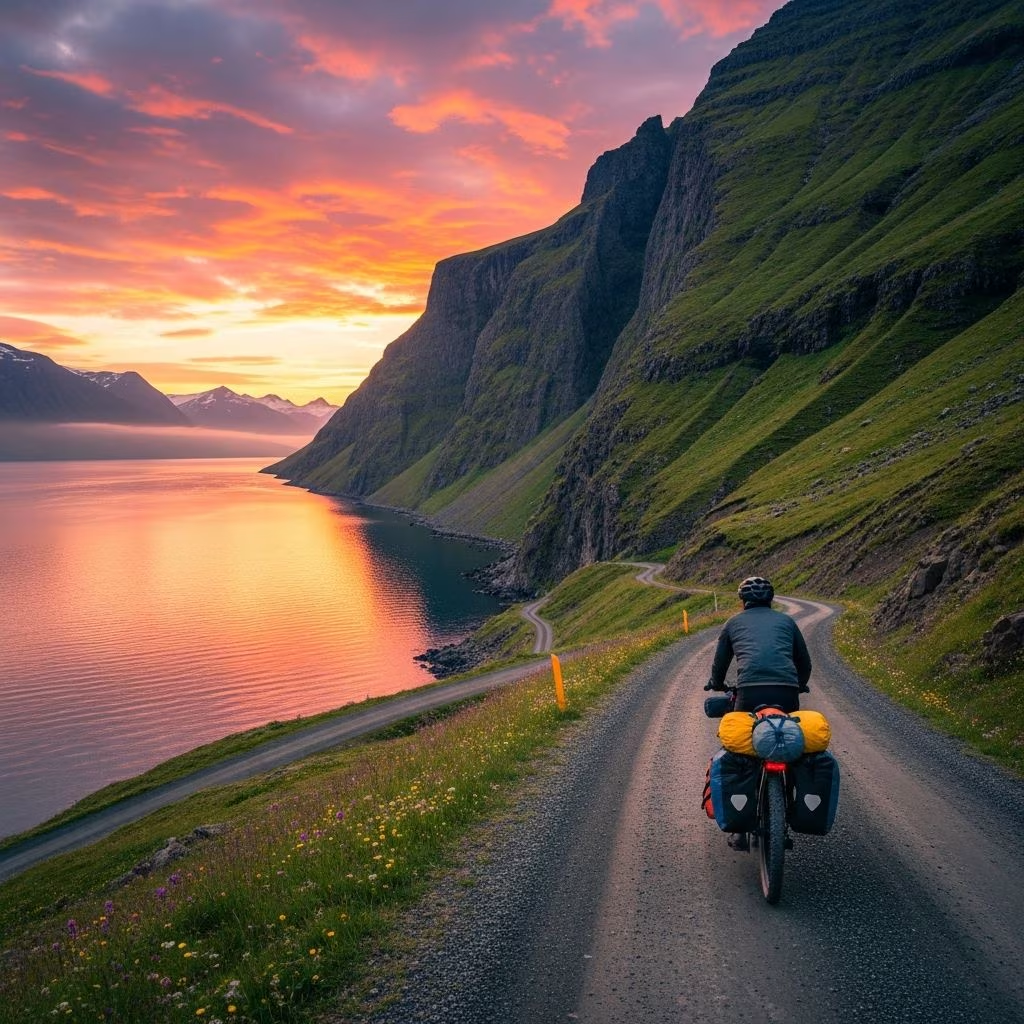
The Westfjords region of Iceland represents one of the world’s most spectacular and challenging destinations for bikepacking enthusiasts. With only 7,000 inhabitants scattered across the entire territory, this remote area offers adventurers an unparalleled opportunity to experience untamed wilderness, dramatic coastal scenery, and the raw power of Iceland’s natural environment. The primary bikepacking route through this region spans approximately 575 miles (925 kilometers) and has become recognized as Iceland’s first official bike touring route, attracting riders from across the globe seeking an authentic off-road cycling experience.
Understanding the Westfjords Way Route
The Westfjords Way represents a comprehensive loop that circumnavigates the region’s most spectacular terrain, beginning and concluding in Ísafjörður, the largest town in the area. The route combines multiple surface types, with approximately 40% unpaved sections consisting primarily of gravel and doubletrack roads. Riders should anticipate 6 to 8 days of cycling to complete the full route, though experienced bikeppackers may compress this timeline while others may prefer a more leisurely pace to fully absorb the landscape.
The cycling experience along this route demands respect and preparation. Total elevation gain reaches approximately 49,300 feet (15,027 meters) distributed across the journey, with the highest point topping out at 1,940 feet (591 meters). Notably, individual climbs rarely exceed 3,500 feet in vertical gain, meaning ascents tend to be short and punchy rather than sustained endurance challenges. The route maintains approximately 90% rideable terrain throughout, with short sections requiring hike-a-bike navigation across particularly challenging ground.
Route Characteristics and Terrain Considerations
The Westfjords Way is generally considered straightforward in terms of navigation and route-finding, with the landscape providing natural directional cues as the path winds through mountain passes to connect adjacent fjords. The route predominantly stays proximate to the water, leveraging the coastal geography to create a logical progression through the region. Cell service availability along roughly 90% of the route provides modern navigational security, though downloaded offline maps remain essential backup resources.
One particularly demanding section extends approximately 30 miles from Patreksfjörður to Þingeyri, accumulated nearly 10,000 feet of elevation gain across predominantly gravel and doubletrack surfaces. This segment, originally constructed by a local farmer using a tractor, literally cuts into the cliff face and represents the most physically demanding day on the route. Many bikeppackers strategically divide this section across two or more days rather than attempting it as a single push.
Water accessibility throughout the journey remains abundant, while gravel quality generally ranks as exceptional when conditions remain dry. The unpaved sections showcase some of Iceland’s most pristine cycling surfaces, though wet conditions can dramatically compromise both grip and overall ridability.
Starting Direction and Wind Strategy
Route planning should account for Iceland’s prevailing wind patterns and associated safety considerations. Organizers recommend beginning the route in a clockwise direction from Ísafjörður, as this orientation aligns with typical wind patterns and critically positions riders on the safer side of roads adjacent to cliff faces. When strong winds coincide with cliff-edge sections, riding on the inland side of the road substantially reduces the risk of unexpected gusts pushing cyclists toward dangerous edges.
While counterclockwise routing remains feasible, the clockwise approach better leverages natural weather patterns and enhances safety margins. This directional preference reflects lessons learned from previous expeditions and represents best practices for maximizing both enjoyment and security.
Essential Weather and Safety Protocols
Weather represents the single most significant challenge when bikepacking through the Westfjords. The coastal exposure makes this region vulnerable to serious storms and rapidly changing conditions. Comprehensive weather monitoring using vedur.is, Iceland’s most accurate weather and wind forecasting service, should inform all timing decisions. Riders should review weather forecasts daily and remain flexible regarding departure timing and route adjustments based on storm systems.
Heavy precipitation demands particular caution on gravel descents, especially those combined with strong winds. Steep downhill sections can become treacherous when wet, and powerful gusts can shift bikes laterally without warning. Riders must exercise heightened situational awareness during such conditions and potentially opt for slower speeds or walking sections deemed unsafe.
Wind forecasting should take priority in trip planning, as sustained strong winds can significantly impact both physical exertion and safety. The combination of exposure, elevation changes, and weather volatility creates conditions that demand respect and appropriate preparation.
Notable Destinations and Highlights Along the Route
The Westfjords Way passes numerous attractions that reward cyclists with cultural, natural, and recreational experiences. Dynjandi waterfall stands as the region’s largest waterfall, offering dramatic photo opportunities and an optional hike to its summit for those seeking additional adventure. The waterfall’s scale and setting create iconic Icelandic landscape photography moments.
Multiple hot spring facilities punctuate the route, providing welcome respites from cycling exertion. Oceanside hot springs in Flókalundur sit approximately halfway through the route and offer soaking opportunities directly adjacent to the Atlantic Ocean. Draggsnes hot springs provide public shower and bathing facilities in an intimate seaside setting, allowing cyclists to rejuvenate while enjoying ocean vistas.
Cultural attractions enhance the journey’s diversity. The Museum of Icelandic Witchcraft and Sorcery offers insights into regional folklore and history, while Bíldudalur welcomes cyclists following the massive climb from Patreksfjörður with waffles, resupply opportunities, and the quirky Sea Monsters Museum. The Huldafolk rock formation near mile 50 honors Icelandic mythology and provides a thematic waypoint tied to local cultural traditions.
For those seeking ultimate adventure completion experiences, Ísafjörður harbor offers the opportunity to conclude the journey with an Atlantic Ocean swim, transforming the arrival into a memorable celebratory ritual.
Bike Specifications and Equipment Preparation
The Westfjords Way is optimally suited for gravel bikes, though bikepacking-specific variations with frame bags and touring capability enhance the experience. The combination of gravel, doubletrack, and occasional paved sections requires versatile tires that balance rolling efficiency on smooth gravel with adequate traction on loose surfaces. Tire pressure management becomes critical, with lower pressures improving traction on technical terrain while higher pressures enhance speed on established roads.
Riders must bring sufficient gear and supplies for extended self-sufficiency, particularly across lengthy sections with minimal services. While long stretches present resupply challenges, nothing reaches unmanageable proportions for prepared bikeppackers. Strategic food and water planning aligned with known towns and facilities ensures adequate nutrition and hydration.
Navigation Resources and Trip Planning
Multiple specialized resources support successful Westfjords Way bikepacking expeditions. Road.is provides current information regarding road conditions and weather forecasts updated daily. The Iceland Cycling Map offers comprehensive details encompassing hot spring locations, food resupply points, surface types, wind exposure zones, and estimated daily traffic patterns. Cyclingwestfjords.com serves as the official cycling Westfjords platform, providing established route documentation, trip planning assistance, and booking opportunities for organized expeditions.
Downloaded offline maps remain essential regardless of cell service reliability, as network coverage fluctuations and equipment failures necessitate backup navigation methods. Routes should be loaded into GPS devices or smartphone applications capable of functioning without active data connections.
Daily Pacing and Route Segments
Most bikeppackers average approximately 90-95 miles daily with cumulative elevation gains reaching 6,000-7,000 feet per day when condensed into 6-8 days. This requires consistent daily effort but remains achievable for cyclists possessing intermediate-to-advanced fitness levels and bikepacking experience. Those preferring more leisurely pacing and greater exploration time may extend trips to 10-14 days, allowing rest days and side adventures.
The second and third days following the challenging Patreksfjörður-Þingeyri section typically feature more moderate terrain and straightforward routing, allowing recovery and appreciation of the dramatic coastal scenery. Scheduling should strategically position recovery days following the most physically demanding segments.
Seasonal Considerations and Best Timing
Summer months from June through August offer optimal conditions, with longer daylight hours, reduced precipitation probability, and milder temperatures. Shoulder seasons in May and September present acceptable conditions though weather volatility increases and daylight hours diminish. Winter travel, while technically possible, introduces significant challenges including snow coverage, extreme weather, and minimal daylight availability.
The seasonal presence of puffins in the region adds wildlife viewing opportunities during early-to-mid summer months, providing additional incentive for trip timing coordination.
Frequently Asked Questions
How difficult is the Westfjords Way for average bikeppackers?
The route is calibrated to maintain challenging difficulty without approaching extreme extremes. The gravel quality, reasonable climb durations, and straightforward navigation create an appropriate challenge level for riders possessing solid bikepacking experience and intermediate fitness. The most demanding day exceeds typical exertion significantly but remains manageable with proper pacing and strategic rest scheduling.
What should I prioritize when packing for this expedition?
Weather protection ranks paramount, followed by reliable navigation tools, adequate food and water carrying capacity, and sturdy bike components suited to gravel and doubletrack surfaces. Repair supplies, first aid capabilities, and communication devices complete the essential packing priorities.
Can beginners complete this route?
While not impossible, the Westfjords Way presents substantial challenges that favor experienced bikeppackers. Beginners should consider shorter Icelandic routes first or attempt this route during optimal weather windows with supported logistics or group expedition structures.
What makes the Westfjords distinctly different from other Icelandic cycling regions?
The combination of complete remoteness, minimal population centers, exposed coastal positioning, dramatic fjord terrain, and the route’s official recognition as Iceland’s primary bike touring pathway distinguishes the Westfjords experience from other cycling destinations in the country.
Conclusion: Embracing the Westfjords Challenge
The Westfjords Way represents more than mere physical challenge; it embodies a profound connection with Iceland’s untamed landscapes and the authentic experience of remote adventure cycling. The combination of spectacular natural features, cultural touchpoints, manageable technical difficulty, and genuine isolation creates an experience that resonates long after bikes are packed away. Proper preparation, realistic physical assessment, flexible scheduling, and respect for weather conditions transform this 575-mile loop into a transformative bikepacking expedition that justifies its status as Iceland’s premier bike touring route.
References
- Westfjords Way – BIKEPACKING.com — BIKEPACKING.com. Accessed April 2026. https://bikepacking.com/routes/westfjords-way/
- The Westfjords Way — Bikepacking Iceland’s most remote coastline — Komoot. Accessed April 2026. https://www.komoot.com/collection/1322627/the-westfjords-way-bikepacking-iceland-s-most-remote-coastline
- Raw Reality of Bikepacking Iceland’s Westfjords | Photos & Tips — Field Magazine. Accessed April 2026. https://www.fieldmag.com/articles/bikepacking-iceland-westfjords-trip-report
- Bikepacking the Westfjords Way in Iceland — Otso Cycles. January 2023. https://blog.otsocycles.com/2023/01/bikepacking-the-westfjords-way-in-iceland/
- Iceland – Westfjords Way | Bikepacking Route Details — Rolling Around. Accessed April 2026. https://rollingaround.app/routes/iceland-westfjords-way
- Vedur.is – Icelandic Meteorological Office — Official Icelandic Weather Service. Accessed April 2026. https://www.vedur.is/

