
 Stays
StaysStays
What Is an All-Inclusive Resort? A Complete Guide
Learn about all-inclusive resort benefits, what's typically covered, destination options, and how to choose the right property for your getaway.
 Stays
StaysPlanning a vacation can involve countless decisions—from transportation to accommodation to dining arrangements. All-inclusive resorts offer a streamlined alternative that consolidates many of these choices into a single package. These properties cater to travelers seeking simplicity, predictability, and the freedom to relax without constant financial transactions. Understanding how these resorts operate and what they offer can help you determine whether this vacation style aligns with your preferences and budget.
Understanding the All-Inclusive Resort Model
At its core, an all-inclusive resort bundles lodging, meals, beverages, and entertainment into one comprehensive rate. Rather than paying for each service separately, guests receive access to most amenities with their room booking. This model originated in the Caribbean and Mediterranean regions but has expanded globally. The primary advantage lies in financial predictability—once you’ve paid the resort rate, most additional costs are eliminated, allowing you to budget more effectively for your vacation.
The appeal extends beyond financial convenience. The bundled approach removes decision fatigue around dining options, eliminates tipping complications, and provides structured entertainment for families. For couples seeking romantic getaways, all-inclusive properties often feature specialized facilities tailored to relaxation and intimacy. Business travelers occasionally utilize all-inclusive properties for team retreats, benefiting from the coordinated event logistics.
What’s Generally Covered in Your Stay
Accommodations and Room Features
Your lodging typically includes a comfortable hotel room or suite with standard amenities such as air conditioning, en-suite bathrooms, daily housekeeping, and linens. Premium properties offer upgraded accommodations including beachfront suites, private plunge pools, or butler service. Most resorts provide complimentary Wi-Fi, though some ultra-luxury properties reserve high-speed internet access for premium suites.
Dining and Beverage Services
Meal coverage represents a substantial component of all-inclusive packages. Most properties feature multiple restaurants serving breakfast, lunch, and dinner, with cuisine themes varying from international to regional specialties. Beverage programs typically include alcoholic and non-alcoholic options at bars throughout the property. Some resorts cap premium liquor access or reserve certain venues for additional charges. Snack bars, buffet stations, and in-room refreshment services generally fall within the package.
Recreation and Activities
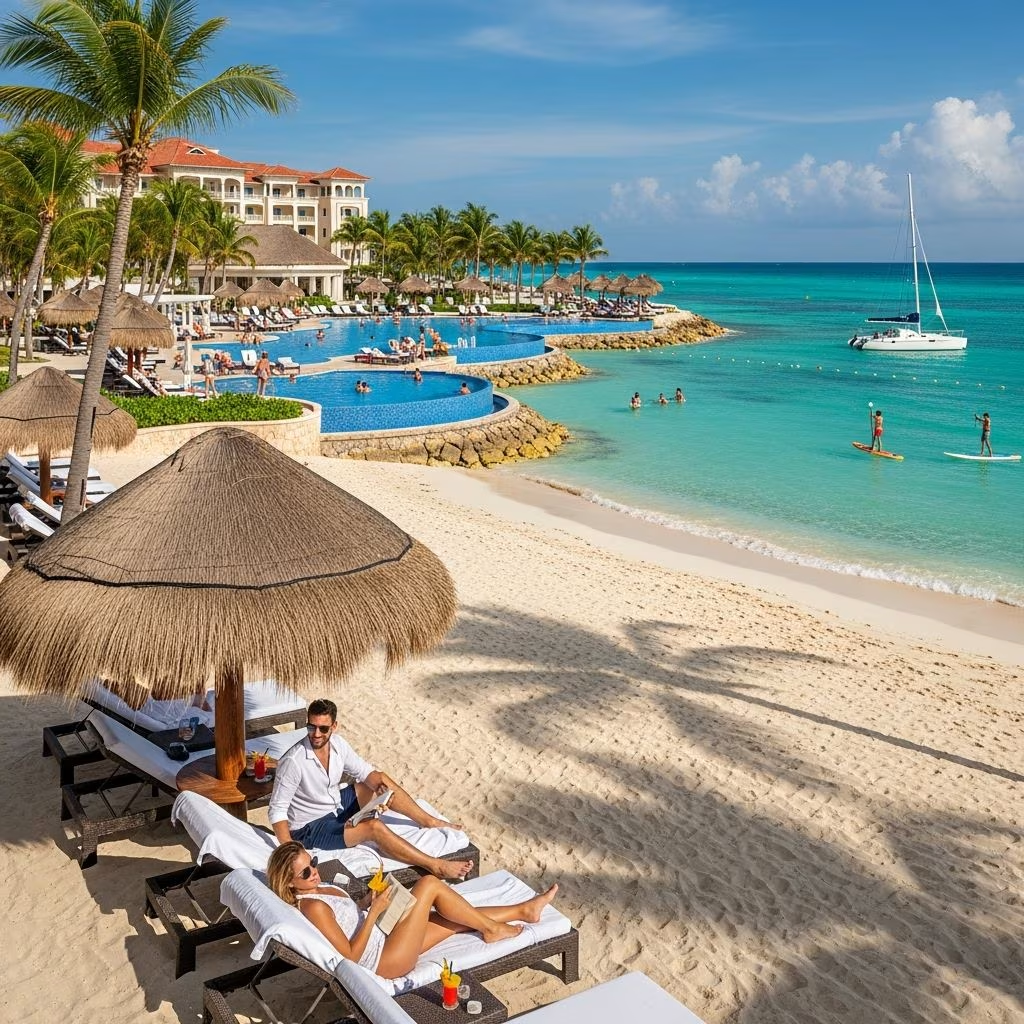
Entertainment and recreational activities form another pillar of the all-inclusive experience. Beach access, swimming pools, fitness classes, and organized group activities are standard inclusions. Water sports such as snorkeling, kayaking, and paddleboarding are frequently offered, though scuba diving sometimes incurs supplementary fees. Evening entertainment, live performances, and themed nights provide structured amusement for guests.
Amenities Typically Excluded
Despite comprehensive coverage, certain premium services usually require additional payment. Spa treatments, golf courses, private excursions, specialty dining venues, and premium alcoholic beverages often operate on an à la carte basis. Some resorts charge for activities like horseback riding, ATV tours, or certified scuba diving. Understanding what falls outside your package prevents budget surprises during your stay.
Geographic Destinations and Seasonal Variations
Caribbean Properties and Island Culture
The Caribbean remains the dominant region for all-inclusive resorts, with properties scattered across islands including Jamaica, the Dominican Republic, Turks and Caicos, and Puerto Rico. These locations benefit from consistent warm weather, established tourism infrastructure, and cultural attractions. Beach-focused amenities dominate Caribbean properties, with water sports and aquatic activities serving as primary entertainment.
Mexican Riviera and Mayan Regions
Mexico’s Caribbean coast, particularly areas around Cancun, Playa del Carmen, and Tulum, hosts extensive all-inclusive resort developments. These destinations combine beach experiences with archaeological attractions, cenote visits, and jungle exploration opportunities. The region offers varying price points from economy to ultra-luxury properties.
European and Mediterranean Options
Mediterranean destinations including Spain, Greece, Turkey, and Croatia increasingly offer all-inclusive experiences. These properties emphasize cultural experiences, historical exploration, and wine-tasting alongside traditional beach amenities. Seasonal variations significantly impact availability and pricing in European resorts.
Central and South American Locations
Costa Rica, Belize, and other Central American destinations provide all-inclusive properties emphasizing eco-tourism and adventure activities. These locations attract guests interested in rainforest experiences, wildlife observation, and environmental sustainability alongside resort amenities.
Evaluating Different Resort Tiers
Budget-Friendly Options
Entry-level all-inclusive properties provide clean accommodations and adequate amenities at lower price points. These resorts typically feature standard rooms, casual dining venues, and group-oriented entertainment. They appeal to budget-conscious travelers and families prioritizing value. Amenities may include fewer specialty restaurants and more modest recreation options compared to premium properties.
Mid-Range Properties
Mid-tier resorts balance quality with affordability, offering improved room configurations, diverse dining venues, and expanded activity options. These properties often feature oceanfront locations, multiple pools, and semi-organized entertainment programs. They attract couples and families seeking comfort without premium pricing.
Luxury and Ultra-Luxury Resorts
High-end all-inclusive properties deliver personalized service, premium accommodations, gourmet dining, and exclusive amenities. These resorts feature private beaches, Michelin-trained chefs, spa facilities, and butler service in suites. Ultra-luxury properties often limit guest capacity, providing intimate atmospheres and bespoke experiences. Premium pricing reflects superior service standards and exclusive offerings.
Specialized Resort Categories
Adult-Only Communities
Resorts designating adults-only policies target couples and solo travelers seeking tranquil environments without children. These properties emphasize romantic amenities, couples’ activities, and sophisticated dining. They typically feature higher price points and more selective guest demographics.
Family-Oriented Resorts
Family-focused all-inclusive properties provide supervised kids’ clubs, family-friendly entertainment, and accommodations designed for group travel. These resorts feature water parks, interactive activities, and accommodations enabling multiple family members to share rooms. Dining options cater to varied preferences and dietary requirements.
Wellness-Centered Properties
Resorts emphasizing health and wellness offer comprehensive spa services, fitness programs, yoga classes, and nutritional meal options. These properties appeal to guests prioritizing rejuvenation and physical wellness alongside traditional resort experiences.
Financial Considerations and Budget Planning
While all-inclusive packages provide financial predictability, prices vary significantly based on location, season, property tier, and travel dates. Peak seasons typically command premium pricing, while shoulder and off-seasons offer substantial savings. Package length affects per-day costs, with longer stays often providing better value. Direct booking through resort websites sometimes offers better rates than third-party vendors, though package deals may provide competitive pricing by bundling flights and accommodations.
Advantages of the All-Inclusive Format
- Financial transparency with predetermined costs
- Elimination of meal decision-making and planning
- Reduced tipping complications and service charge clarity
- Consistent entertainment and activity programming
- Simplified group travel coordination
- Stress-free budget management during vacation
- Access to diverse dining venues with single payment
- Structured activities for families and couples
- Predictable quality standards across properties
Potential Drawbacks and Limitations
- Premium experiences often require supplementary fees
- Limited flexibility for independent exploration
- Dining variety may feel repetitive over extended stays
- Resort atmosphere can feel crowded during peak seasons
- Less interaction with local communities and authentic experiences
- Cancellation policies sometimes prove restrictive
- Quality inconsistencies across room categories
- Hidden charges for certain amenities or activities
Selection Criteria for Choosing Your Ideal Resort
Identifying Your Travel Priorities
Begin by clarifying your vacation objectives. Are you seeking relaxation, adventure, cultural immersion, or romantic connection? Your primary goals should shape property selection. Couples prioritizing tranquility benefit from adult-only resorts with spa amenities, while families require robust kids’ programs and diverse entertainment.
Evaluating Location and Accessibility
Consider proximity to international airports, flight duration, and visa requirements. Closer destinations reduce travel fatigue and costs, while exotic locations provide greater novelty. Research regional weather patterns, hurricane seasons, and climate conditions during your intended travel dates.
Assessing Property Reputation and Reviews
Examine recent guest feedback on independent review platforms beyond resort websites. Look for patterns regarding cleanliness, service quality, food variety, and entertainment caliber. Pay attention to recurring complaints or consistent praise to identify potential issues or strengths.
Understanding Included and Excluded Services
Carefully review detailed package information specifying what’s covered versus additional-cost items. Contact resorts directly to clarify ambiguous inclusions, verify room categories, and confirm special requests or accommodations.
Frequently Asked Questions
Are Tips and Gratuities Included in All-Inclusive Packages?
Most all-inclusive resorts include service charges within the package rate, eliminating separate tipping obligations. However, exceptional service or optional activities may warrant additional gratuities. Verify tipping policies before arrival to avoid confusion.
Can I Leave the Resort and Explore Nearby Areas?
Most all-inclusive resorts permit guests to leave premises freely. However, once you exit, meals and beverages typically aren’t covered, and returning for meals may require advance planning. Some resorts offer organized excursions to nearby attractions at additional cost.
What Happens If I’m Dissatisfied with the Accommodation or Service?
Contact resort management immediately to address concerns. Reputable properties work to resolve issues during your stay. Review cancellation and complaint policies before booking to understand remedies available.
Are All-Inclusive Packages Suitable for Dietary Restrictions?
Most resorts accommodate vegetarian, vegan, gluten-free, and allergy-related dietary needs. Notify your resort during booking to ensure appropriate meal preparation and venue selection.
What’s the Typical Length of Stay at All-Inclusive Resorts?
Stays range from weekend getaways (three to four nights) to two-week retreats. Longer stays often provide better per-night rates and allow guests to fully utilize amenities and settle into resort rhythms.
Maximizing Your All-Inclusive Resort Experience
Arrive with realistic expectations aligned to your chosen property’s tier and positioning. Interact with staff who can recommend optimal dining times, hidden recreation areas, and special experiences. Explore the full resort during initial days to familiarize yourself with facilities and activity schedules. Balance structured activities with unscheduled relaxation to avoid fatigue from excessive programming. Engage with other guests to enhance social experiences and discover recommendations. Capture moments through photography or journaling to preserve memories beyond your stay.
Conclusion
All-inclusive resorts offer compelling vacation solutions for travelers prioritizing convenience, predictability, and comprehensive amenities. The model eliminates decision-making burdens while providing access to diverse experiences within predetermined budgets. Success requires careful property selection based on personal priorities, thorough research of inclusions and exclusions, and realistic expectation-setting regarding the format’s advantages and limitations. Whether you’re seeking family adventure, romantic escape, or wellness retreat, an appropriately selected all-inclusive resort can deliver memorable experiences while simplifying vacation logistics and financial planning.
References
- Caribbean Tourism Organization Statistical Report — Caribbean Tourism Organization. 2024. https://www.onecaribbean.org
- Travel and Leisure Destination Research — Advance Publications, Inc. 2024. https://www.travelandleisure.com
- The Future of All-Inclusive Travel Experiences — World Travel and Tourism Council. 2024. https://www.wttc.org
- Consumer Travel Preferences and Resort Selection Studies — American Hotel & Lodging Association. 2024. https://www.ahlonline.org
On This Page
Understanding the All-Inclusive Resort Model What's Generally Covered in Your Stay Geographic Destinations and Seasonal Variations Evaluating Different Resort Tiers Specialized Resort Categories Financial Considerations and Budget Planning Advantages of the All-Inclusive Format Potential Drawbacks and Limitations Selection Criteria for Choosing Your Ideal Resort Frequently Asked Questions Maximizing Your All-Inclusive Resort Experience Conclusion← Previous
Best Boutique Hotels Worldwide: Top Stays, Design Trends & Booking Tips
Next →
Moon World Resorts: The Future of Immersive Luxury
Related Reading