
 Stays
StaysStays
What to Do If Your Hotel Room Is Bad
Facing a subpar hotel? Learn immediate actions, communication tips, and prevention methods to salvage your trip and avoid future letdowns.
 Stays
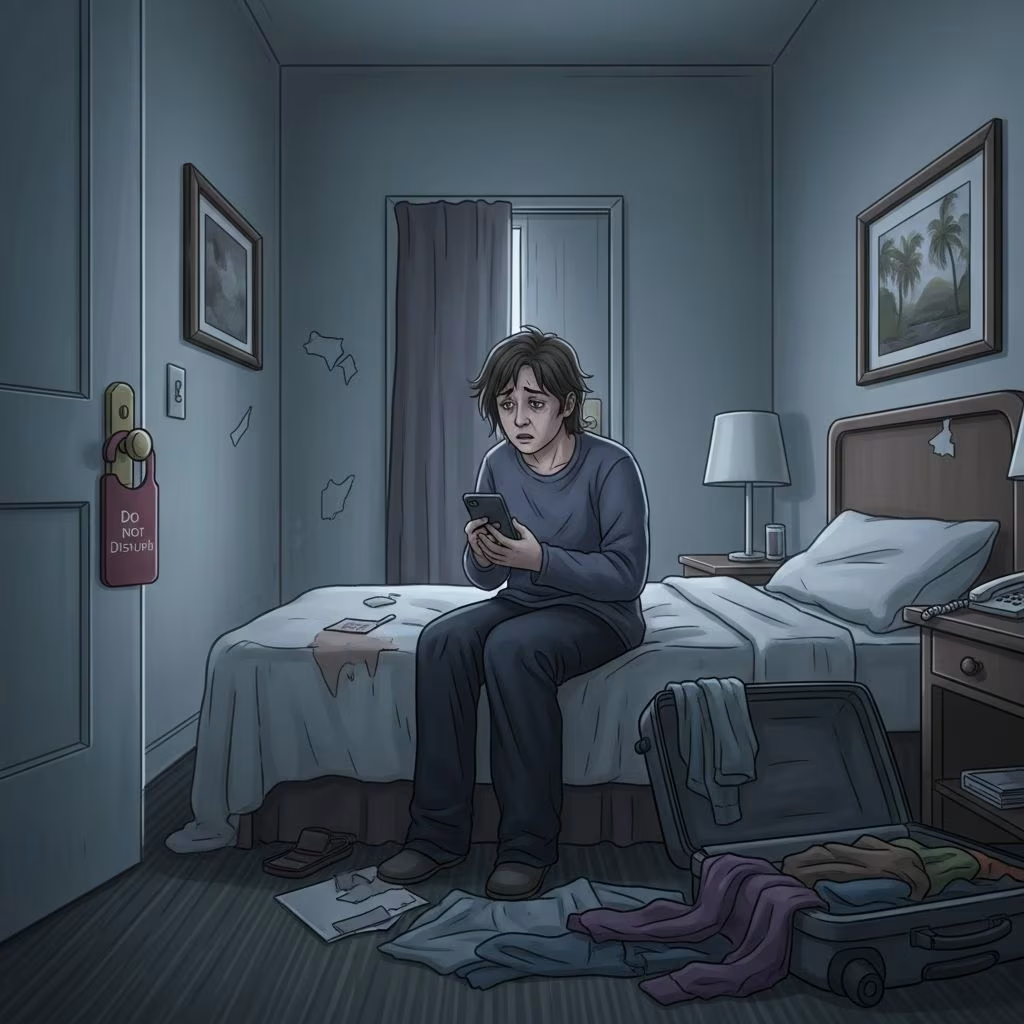
StaysWhen your eagerly anticipated hotel turns out to be a letdown, frustration can quickly overshadow your trip. Whether it’s stained linens, relentless noise, or amenities that fall short of promises, knowing how to respond effectively can transform a nightmare into a manageable hiccup. This guide equips you with actionable strategies drawn from traveler experiences and expert advice to evaluate the situation, engage staff productively, secure remedies, and safeguard future bookings.
Spotting Red Flags Right Away
Prevention starts with vigilance upon arrival. The moment you step into your room, conduct a thorough inspection to catch discrepancies early. Check for cleanliness, functionality of appliances, and alignment with your booking details. Minor oversights like missing toiletries can often be resolved swiftly, while major flaws such as broken air conditioning or pest infestations demand immediate attention.
- Lighting and visibility: Turn on all lights and open curtains to reveal hidden stains or damage.
- Plumbing test: Run water in sinks, shower, and toilet to ensure no leaks or odd odors.
- Furniture and bedding: Inspect mattresses for wear, sheets for spots, and chairs for stability.
- Noise levels: Listen for external disturbances like traffic or neighboring sounds during your initial walkthrough.
Acting within the first hour minimizes disputes later, as staff may question delayed complaints. If issues persist after a quick fix attempt, prepare to escalate.
Evaluating the Severity of Your Situation
Not all hotel shortcomings warrant packing up and leaving. Categorize problems by fixability to decide your next move. Quick resolutions suit temporary glitches, while systemic failures might require relocation or refunds.
| Problem Type | Examples | Best Action | Expected Timeline |
|---|---|---|---|
| Minor/Fixable | Missing remotes, low towels, dim bulbs | Request from front desk | Under 30 minutes |
| Moderate | Leaky faucets, faulty shades, odors | Room switch or deep clean | 1-2 hours |
| Severe | Mold, bugs, unsafe locks, wrong room type | Full refund or new hotel | Immediate |
Consider your trip’s context: a one-night stopover tolerates more than a week-long vacation. Weigh energy costs of switching against enduring the flaw.
Mastering Communication with Hotel Staff
Politeness paired with clarity often yields the best outcomes. Approach the front desk calmly, state facts without accusation, and specify your desired resolution upfront. Phrases like “I’d appreciate a quieter room if available” invite cooperation over demands.
Escalation ladder:
- Front desk for routine fixes.
- Manager for room changes or discounts.
- Booking platform support if direct talks stall.
Timing matters—address during less busy hours like mid-afternoon. Emailing management with details reinforces your case, especially for chains with corporate oversight.
Securing Compensation and Alternatives
Hotels aim to retain guests, so propose win-win solutions. Request upgrades, complimentary services, or rate reductions before refunds. Travelers report success with free breakfasts, late checkouts, or vouchers for nearby properties.
If unsatisfied, leverage booking sites: platforms like Booking.com mediate disputes, often pressuring hotels for adjustments or cancellations without fees. For dire cases, seek refunds citing misrepresentation—keep booking confirmations handy as proof.
Traveler Insight: Offering to switch rooms the next day can unlock better options without immediate upheaval.
Documenting for Leverage and Records
Evidence strengthens your position. Snap timestamped photos of defects, note times of complaints, and save all correspondence. Non-visible issues like noise? Record audio or video discreetly.
- Photos: High-resolution, multiple angles including room number.
- Logs: Date, time, staff names, and resolutions discussed.
- Receipts: For any prepaid deposits or incidentals.
This arsenal aids post-stay reviews, chargebacks, or small claims if needed. Share honestly on platforms to warn others, boosting your credibility.
Preventive Measures for Future Trips
Avoid repeats by refining your booking process. Prioritize platforms allowing pay-on-arrival to preserve flexibility.
Research Tactics
Dissect reviews across stars: five-star raves highlight peaks, one-stars expose consistent pains like thin walls or unreliable Wi-Fi. Cross-reference with Google Maps Street View for neighborhood vibes, avoiding surprises like construction zones.
Booking Best Practices
- Specify needs: Quiet floors, high floors, non-smoking.
- Early arrival: Snag prime rooms before swaps occur.
- Pre-check: View rooms if possible before committing.
- Multi-night flexibility: Request upgrades mid-stay.
Opt for established chains or verified independents with recent positive feedback. Tools like virtual tours demystify spaces upfront.
Real-World Scenarios and Solutions
Scenario 1: Noisy Location
Bar racket disrupts sleep. Document noise levels, request interior room. If unavailable, negotiate discount or early checkout.
Scenario 2: Filthy Room
Visible grime? Refuse entry, demand immediate clean or swap. Photos seal the deal.
Scenario 3: Mismatched Booking
Promised suite but got standard? Show confirmation, invoke platform policy for correction.
Frequently Asked Questions
What if the hotel is fully booked?
Politely insist on assistance finding alternatives; many compensate with referrals or taxis.
Can I get a refund after one night?
Yes, especially via free-cancellation sites. Document and contact the platform promptly.
Is it worth switching hotels mid-trip?
For multi-night stays with severe issues, yes—prioritize rest over sunk costs.
How do I handle language barriers?
Use translation apps; escalate to English-speaking managers or booking support.
Should I tip staff during complaints?
Reserve for helpful resolutions, not initial requests.
Armed with these tactics, subpar stays become rare footnotes. Proactive inspection, firm yet kind advocacy, and smart prevention ensure your travels prioritize joy over logistics.
References
- Travel Tip 56: What to do when your hotel is bad — Heather Jasper. N/A. https://heatherjasper.com/newsletter/travel-tip-56
- Strategy: How to not get stuck with the worst room in the hotel — EuroCheapo. N/A. https://www.eurocheapo.com/blog/strategy-how-to-not-get-stuck-with-the-worst-room-in-the-hotel.html
- What to do when you end up in a bad hotel — Sabrina Barbante. N/A. https://www.sabrinabarbante.com/what-to-do-when-you-end-up-in-a-bad-hotel/
- Avoid a hotel stay from hell — The Souvenirist by Jenn Barger. N/A. https://dcjnell.substack.com/p/how-do-you-avoid-a-hotel-stay-from
On This Page
Spotting Red Flags Right Away Evaluating the Severity of Your Situation Mastering Communication with Hotel Staff Securing Compensation and Alternatives Documenting for Leverage and Records Preventive Measures for Future Trips Real-World Scenarios and Solutions Frequently Asked Questions← Previous
What Not to Pack When Traveling: 25 Items to Leave Behind
Next →
Rotterdam Travel Guide: Architecture, Culture & Waterfront Highlights
Related Reading