

 Travel Essentials
 Travel Essentials

Discover practical tips, cultural etiquette, seasonal insights, and must-know information for travelers planning a visit to Greece's largest island.
 Travel Essentials
Crete, the largest island in Greece, attracts millions of visitors annually seeking sun, history, and authentic Mediterranean experiences. However, arriving unprepared can diminish what should be an extraordinary journey. Understanding the nuances of Cretan travel—from practical logistics to cultural sensitivities—transforms a good vacation into an exceptional one. This comprehensive guide addresses the critical considerations every traveler should evaluate before embarking on a Cretan adventure.
The primary obstacle most travelers face when visiting Crete involves securing suitable lodging and vehicle rentals. The island’s popularity means availability decreases rapidly as peak seasons approach. Booking accommodations and rental vehicles several months in advance is not merely recommended but essential for securing preferred properties and competitive rates. This advance commitment becomes increasingly critical during the summer months when demand reaches its zenith.
The transportation landscape on Crete requires strategic consideration. While intercity bus services connect major towns reliably, they operate on fixed schedules that may not align with independent exploration preferences. Renting a vehicle provides the flexibility necessary to discover hidden villages, access remote beaches, and navigate mountain roads leading to lesser-known attractions. Most travelers find the rental process straightforward when arranged directly through Heraklion Airport, where the island’s primary gateway processes international arrivals.
Temperature and weather patterns fluctuate dramatically throughout the year, fundamentally affecting both the travel experience and packing requirements. Many visitors harbor misconceptions about Mediterranean winters, expecting consistent warmth across all seasons. This misunderstanding often leads to inadequate preparation.
Summer months bring intense heat, with temperatures regularly reaching 35°C (95°F) or higher. Simultaneously, this period attracts maximum tourist crowds and commands premium pricing for accommodations and restaurants. The northern coast experiences relief through the meltemi winds—consistent northerly breezes that provide cooling effects but simultaneously create challenging conditions for beach activities and water sports on north-facing shores.
Visiting archaeological sites during peak summer requires early morning expeditions to avoid heat-related exhaustion. Popular destinations like Knossos Palace become extremely crowded by mid-morning, transforming the experience into a rushed navigation rather than immersive exploration.
Winter on Crete differs substantially from other Greek islands. Unlike Santorini or Mykonos, which largely shut down during winter months, Crete maintains robust tourism infrastructure and active cultural life. However, expectations of Mediterranean warmth should be abandoned. Winter brings unpredictable weather: chilly temperatures, occasional rainfall, and blustery wind patterns that sweep across the Aegean from northern regions.
Evening outdoor activities require layered clothing, though locals remain undeterred, gathering at outdoor cafés with terrace heaters to socialize despite cooler temperatures. This season offers advantages: fewer crowds, reduced prices, and more authentic interactions with Cretan communities less focused on catering to tourist demands.
Packing decisions should directly correspond to intended travel dates. Summer visitors require sun protection, lightweight clothing, and hydration strategies. Winter travelers need layers, including sweaters, jackets, and long pants for evening activities and potentially unexpected rainy periods.
Crete maintains profound spiritual traditions reflected throughout the island’s numerous churches, monasteries, and religious sites. Many visitors encounter these sacred spaces during sightseeing activities but may lack awareness regarding appropriate comportment.
Religious buildings demand respectful dress codes regardless of exterior beach culture. Visitors should cover shoulders with garments extending to or above the elbow. Lower-body coverage should reach below the knee, accommodating shorts or skirts of adequate length. Footwear must be worn at all times within religious structures—entering barefoot violates sacred conventions. Women may encounter restrictions regarding head covering in certain Orthodox monasteries, though many modern establishments have relaxed these requirements.
Ignoring these guidelines constitutes disrespect to local populations and their deeply held beliefs. Modest dress represents a straightforward accommodation to unfamiliar cultural norms that enriches cross-cultural understanding.
Crete boasts Mediterranean Europe’s most celebrated cuisine, rooted in agricultural abundance and culinary traditions spanning centuries. However, dining customs differ substantially from rushed, efficient meal experiences common in many Western contexts.
Meals in Crete function as social events extending two or more hours. Friends and families share numerous small and large dishes served family-style to entire tables, encouraging communal participation and conversation. Restaurant pacing during busy summer evenings may frustrate time-conscious travelers, as courses emerge from kitchens with substantial intervals between offerings. Expressing impatience or attempting to accelerate service represents poor etiquette and contradicts the philosophical foundation of Cretan dining culture—leisurely enjoyment of food, company, and atmosphere.
Understanding this cultural approach transforms dining from a logistical necessity into a memorable cultural experience. Arriving at restaurants without rigid time constraints allows full appreciation of Cretan hospitality and culinary artistry.
Visitors accustomed to specific modern conveniences may encounter infrastructure variations on Crete. Understanding these differences prevents surprise and disappointment.
Plumbing systems, particularly in traditional villages and older establishments, differ from contemporary Western standards. Toilet paper disposal into designated bins rather than plumbing systems remains necessary in many locations. This practice, while potentially unfamiliar, protects aging infrastructure from blockages and maintains functioning facilities for continued use.
Water quality throughout Crete meets European standards and remains safe for consumption. However, mineral content differs from familiar tap water, potentially causing temporary digestive adjustments for sensitive individuals. Bottled water availability throughout tourist areas provides an alternative if desired.
Crete’s historical significance extends far beyond the famous Knossos Palace. The island cradles civilizational layers spanning thousands of years—from the Bronze Age Minoan civilization (approximately 3000-1100 BCE) through Venetian and Ottoman occupations to contemporary periods.
Knossos Palace undeniably merits inclusion on any Cretan itinerary. The 4,000-year-old structure showcases remarkable frescoes and architectural innovations that revealed sophisticated ancient societies to modern archaeology. However, recognizing Knossos as the sole historical destination represents a significant oversight.
Lesser-known Minoan sites scattered across the island offer authentic archaeological experiences with fewer crowds. The Palace of Phaistos, located on the island’s south coast, provides raw, unrestored ruins featuring dramatic views across the Messara Plain. Venetian fortresses, Ottoman architecture, and monasteries tucked throughout countryside settlements reveal subsequent historical layers. Ancient Aptera near Chania showcases extensive Roman remains, while Souda Bay memorializes World War II military history through dedicated monuments.
This historical abundance allows visitors to customize experiences according to specific interests, whether focused on ancient civilizations, medieval architecture, or twentieth-century military heritage.
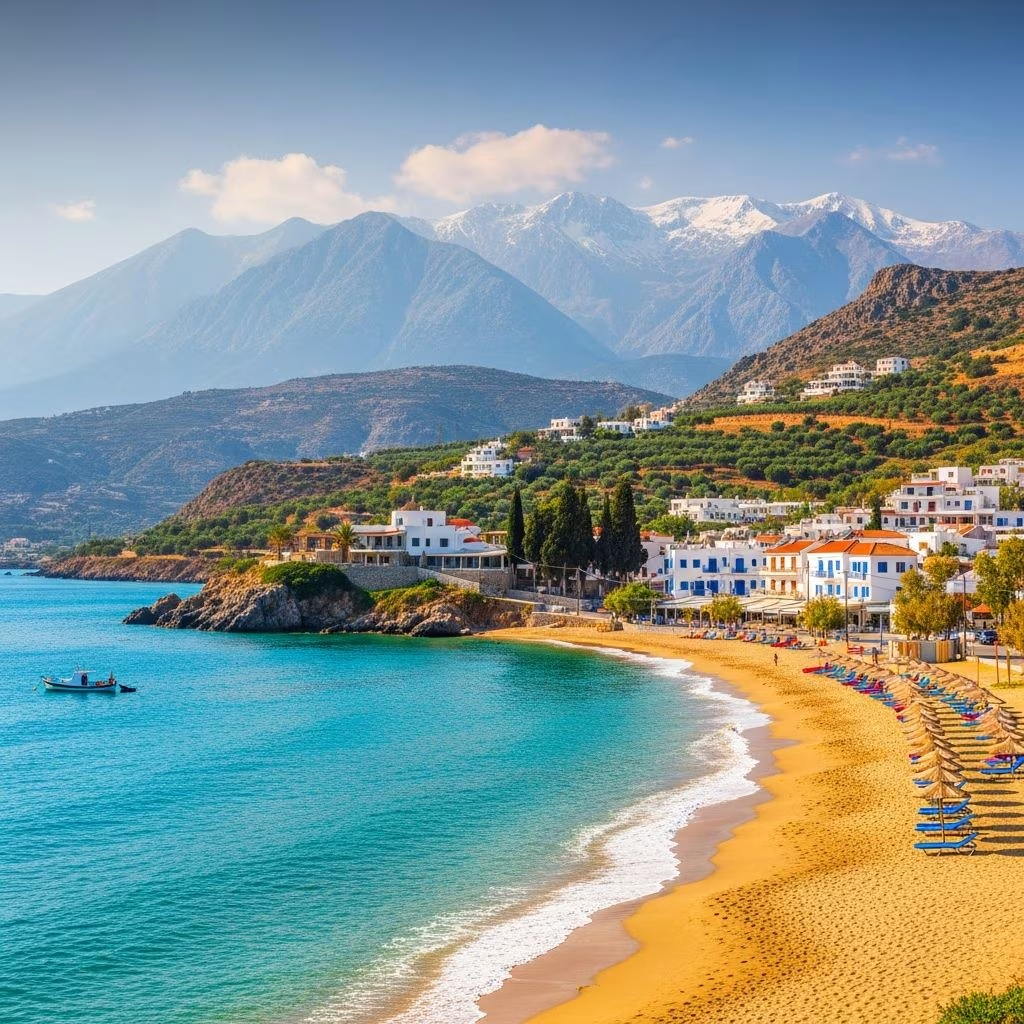
Crete’s beaches range from crowded resort-adjacent strips to remote, pristine locations accessible only through hiking or boat transport. Understanding this diversity enables strategic beach selection matching personal preferences.
The north coast features easily accessible beaches supporting extensive tourism infrastructure. South coast locations preserve wilder characteristics, often requiring effort to reach but rewarding visitors with solitude and dramatic natural settings.
Preveli Palm Beach features a river flowing through genuine palm forest into Mediterranean waters, creating an incongruous African oasis aesthetic. Reaching this unique location requires hiking a steep path lasting approximately twenty minutes. Matala, famous for hippie history and natural cave formations carved into sandstone cliffs, combines swimming opportunities with distinctive atmosphere. Sweetwater maintains pristine pebble beaches with fresh water springs bubbling through the pebbles, accessible exclusively through boat transport or hiking from Loutro or Sfakia.
These varied beach options provide alternatives to overcrowded tourism zones while delivering diverse experiences suitable for different activity preferences and physical capabilities.
Crete’s landscape encompasses more than coastal environments. Mountain ranges, gorges, and agricultural areas showcase distinct natural beauty.
The Samaria Gorge represents Crete’s most famous hiking destination, offering a challenging full-day trek through dramatic rocky landscapes. Hiking between the Gouverneto Monastery and Katholiko Monastery on the Akrotiri Peninsula combines physical activity with historical exploration and remarkable scenery. The Botanical Park and Gardens near Chania showcases native flora within deliberately cultivated landscapes established after wildfire devastation. The onsite restaurant emphasizes farm-to-table cuisine utilizing local seasonal produce.
Crete produces excellent wines gaining recognition throughout Mediterranean wine regions. Indigenous varieties including Vidiano and Kotsifali reflect terroir characteristics and winemaking traditions. The region surrounding Archanes and Peza, located south of Heraklion, functions as Crete’s primary wine production center—equivalent to Napa Valley’s significance within California viticulture.
Visiting local wineries provides insight into agricultural heritage while offering tasting opportunities featuring wines rarely exported internationally. Many establishments combine wine production with restaurant facilities, enabling visitors to pair samples with traditional Cretan cuisine.
Tourist infrastructure inevitably homogenizes experiences. Accessing authentic Cretan life requires deliberate effort to engage with local communities beyond established tourism circuits.
Weekly markets in major towns like Chania operate as social gathering spaces where locals purchase seasonal produce, household goods, and clothing. These environments remain minimally influenced by tourism, offering genuine windows into daily Cretan existence. Observing market dynamics, sampling local products, and interacting with vendors provides cultural richness unavailable through standard tourist activities.
Cretan culture maintains living musical traditions distinct from other Greek regions. The bouzouki—a fretted instrument with extended neck resembling a lute—generates the distinctive cheerful sound associated with Mediterranean music. Traditional folk instruments and contemporary performers maintain these musical heritage elements through regular performances in tavernas and cultural venues.
Attending performances featuring traditional Cretan music provides entertainment while supporting cultural preservation. These experiences typically occur during evening hours in establishments emphasizing local traditions over tourist commodification.
English proficiency varies dramatically across Crete. Major tourist centers support English-speaking staff in hotels, restaurants, and organized tour companies. Rural villages and traditional establishments may feature minimal English capabilities, potentially requiring communication creativity.
Learning basic Greek phrases—particularly greetings, thank you, and directional requests—demonstrates respect while improving interactions. Many Cretans appreciate efforts to communicate in their language, rewarding attempts with enhanced hospitality and patience.
Cretan hospitality traditions extend beyond commercial service relationships. Complimentary offerings commonly appear without explicit menu ordering—proprietors selecting items they believe visitors should sample. Restaurant meals frequently conclude with complimentary desserts, spirits, or coffee as expressions of hospitality rather than commercial transactions. Graciously accepting these offerings honors Cretan customs while reinforcing positive intercultural interactions.
The optimal visiting period depends on personal preferences. Summer (July-August) provides warm weather and active nightlife but brings crowds and high prices. Spring (April-May) and fall (September-October) offer pleasant temperatures with fewer tourists. Winter remains viable for cultural exploration and authentic interactions, though weather becomes unpredictable.
While intercity buses connect major towns, car rentals provide essential flexibility for accessing beaches, villages, and historical sites beyond established tourist routes. Most visitors find rental cars crucial for maximizing Crete’s attractions during typical week-long visits.
Dress modestly with covered shoulders (garments extending to the elbow), skirts or shorts reaching below the knee, and closed footwear. These requirements apply to all religious buildings regardless of exterior beach culture.
Expect meals to extend two or more hours, particularly during busy summer evenings. Dining represents a leisurely social activity rather than rushed consumption. Restaurant pacing may seem slow, but this reflects Cretan cultural values emphasizing enjoyment and conversation.
Absolutely. Phaistos Palace, Venetian harbors in Chania and Rethymno, Ancient Aperta, monasteries, and World War II memorials offer diverse historical experiences. Lesser-known sites provide authentic archaeology with fewer crowds.
Crete rewards prepared travelers with unforgettable experiences spanning beaches, historical exploration, culinary adventures, and authentic cultural engagement. Advance planning combined with cultural awareness transforms visits into meaningful journeys reflecting both contemporary tourism and ancient Cretan hospitality traditions. The island’s scale—large enough for weeks of exploration while accommodating shorter visits—provides flexibility for diverse travel styles and duration preferences. Understanding practical considerations, respecting cultural norms, and maintaining realistic expectations regarding infrastructure and dining customs enables travelers to fully appreciate what makes Crete distinctive within the broader Mediterranean tourism landscape.
