

 Travel Essentials
 Travel Essentials

Comprehensive guide to packing for Egypt covering seasonal clothing, toiletries, electronics, and travel essentials for comfortable exploration.
 Travel Essentials
Preparing for an Egyptian adventure requires thoughtful planning beyond simply throwing items into a suitcase. The nation’s diverse climate, cultural expectations, and geographic variety demand a strategic approach to packing that balances comfort, practicality, and respect for local customs. Whether you’re navigating the bustling streets of Cairo, cruising the Nile River, or exploring ancient temples in Luxor, understanding what to bring ensures you’ll travel efficiently and experience Egypt at its best.
Egypt’s climate presents distinct seasonal variations that fundamentally influence packing decisions. The country experiences two primary seasons: a warm period from May through October and a cooler season from November through April. During the peak tourist season (November to April), temperatures range significantly depending on location and time of day. In January, nighttime temperatures can drop to the high 40s and low 50s Fahrenheit, while daytime highs may only reach 60 to 70 degrees, making layering essential for comfort.
Summer months bring intense heat, with temperatures frequently exceeding 90 degrees Fahrenheit. Coastal regions like Alexandria and seaside resort towns maintain slightly milder conditions due to Mediterranean influences. Desert areas around Aswan and Abu Simbel experience extreme temperature variations, with scorching days followed by surprisingly cool nights. Understanding these regional and seasonal differences helps determine appropriate clothing selections and preparation strategies.
The foundation of effective packing for Egypt rests on creating versatile outfit combinations using neutral base pieces that work together seamlessly. Rather than packing numerous complete outfits, strategic travelers invest in compatible items that mix and match to maximize wardrobe variety while minimizing luggage space.
Layering serves as the cornerstone of Egyptian travel wardrobes, addressing the dramatic temperature fluctuations between heated daytime hours and cool evenings. Base layers should include short-sleeved and long-sleeved shirts made from breathable, lightweight natural fibers that wick moisture effectively. Cotton and linen blends prevent excessive sweating during outdoor activities while maintaining a polished appearance appropriate for cultural sites.
For shoulder season transitions and evening comfort, pack two to three thin sweaters or cardigans that add warmth without bulk. These pieces prove invaluable when entering air-conditioned hotels, ancient temples, and religious sites where temperatures drop considerably. A lightweight windproof jacket completes the layering system, providing protection during cooler months (November through early April) without consuming excessive luggage space.
Bottom-wear selections should prioritize loose-fitting, lightweight construction for summer travel and modest coverage for cultural sensitivity. Pack two pairs of lightweight long pants or jeans for evening outings and exploring urban centers where local dress codes influence comfort levels. Women may choose to include shorts for beach areas and resort settings, though leggings offer greater versatility for layering and provide extended leg coverage when desired.
Supplementary options like sarongs serve multiple functions—beach covers, headwear, shoulder wraps, and even emergency sheet replacements—making them exceptionally practical for minimalist packers. Two sarongs represent a sensible minimum for maximizing functionality while maintaining light packing.
Sturdy, supportive walking shoes designed for extensive exploration prevent foot fatigue during days navigating archaeological sites, bazaars, and urban streets. Quality hiking boots or cushioned athletic shoes with ankle support prove invaluable for desert excursions and uneven terrain throughout the country. Casual footwear including flip-flops or sandals accommodates hotel settings and relaxed activities, while a dressier shoe option enables participation in evening dining or nightlife experiences, particularly in cosmopolitan cities like Cairo and Alexandria.
Egypt maintains traditional values reflected in dress expectations, particularly outside beach resort areas. Both male and female travelers benefit from acknowledging these cultural norms through thoughtful clothing choices that demonstrate respect for local customs. Women should prioritize knee-length coverage and shoulder coverage in cities and rural areas, while men should avoid excessively casual attire in non-resort settings.
Lightweight cardigans and scarves address multiple needs simultaneously—providing modest layering while enabling quick adjustments when entering mosques, temples, or conservative establishments where specific dress codes apply. Scarves prove particularly valuable, functioning as both fashion accessories and practical tools for sun protection when wrapped around the head or neck.
Cairo and Alexandria host vibrant nightlife scenes where local residents dress fashionably for evening outings. Pack one or two tastefully sophisticated outfits that balance contemporary style with cultural sensitivity, avoiding overly revealing garments while maintaining comfortable, breathable fabrics suited to warm climates.
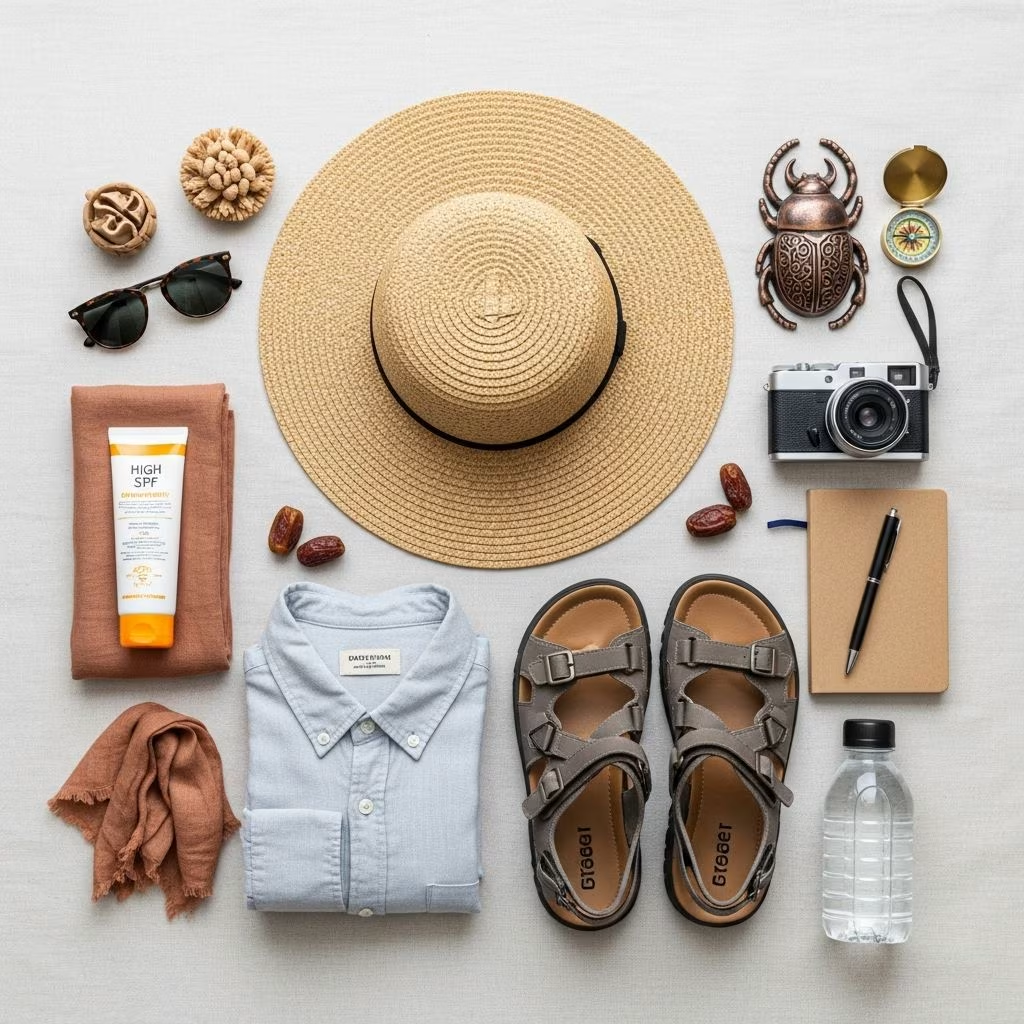
Extended sun exposure throughout Egypt necessitates comprehensive protection strategies beyond standard considerations. Quality sunglasses with UVA/UVB protection guard eyes during activities in bright, reflective desert environments. Wide-brimmed sun hats shield facial features, scalp, and neck from intense UV rays during daytime exploration. Many experienced travelers employ specialized sun shirts featuring UPF protection, reducing reliance on constant sunscreen reapplication during active days.
Cooling scarves represent an innovative heat management solution—lightweight accessories that absorb moisture when wetted and worn around the neck, providing evaporative cooling during outdoor activities in peak summer conditions.
Toiletries packing strategy depends fundamentally on luggage type. Travelers with checked baggage capacity can transport full supplies of preferred personal care products, as specific international brands and high-quality items prove difficult to locate in Egypt. Carry-on passengers face liquid restrictions (maximum 3.4 ounces per container within a single quart-sized bag for USA departures) requiring strategic prioritization.
Deodorant, razors, and additional personal grooming items enhance comfort throughout extended trips. Packing hand sanitizer and travel wipes addresses sanitation concerns in areas with variable hygiene standards, providing peace of mind during food exploration and public transportation usage.
Modern travel demands careful electronic device planning. Essential items include mobile phones, power banks with substantial capacity, and appropriate chargers and adapters for Egyptian electrical outlets. Egypt utilizes 220-240 voltage systems with varied plug configurations, requiring universal adapters or country-specific converters to protect sensitive electronics.
Travel guides (physical or digital formats) enhance navigation and historical context during archaeological site visits. Consider downloading offline maps for areas with limited cellular connectivity, particularly in remote desert regions and along the Nile Valley.
Efficient packing reduces stress and simplifies destination management. Multiple organizational tools serve distinct purposes throughout your journey.
Packing cubes compartmentalize clothing by type, activity, or layering combination, accelerating outfit selection and simplifying hotel packing/unpacking cycles. Electronics organizers consolidate chargers, cables, and power banks separately from clothing, preventing tangled cords and potential device damage. Dedicated toiletries bags contain liquid items safely, minimizing spillage risks to clean garments.
Laundry bags accommodate worn items requiring washing, maintaining hygiene separation between clean and soiled clothing. Travel shoe bags protect footwear from direct contact with clothing, preventing dirt transfer and preserving garment cleanliness throughout multi-week journeys.
A compact daypack or backpack accompanies daily activities, carrying sunscreen, water bottles, tissues, cash, identification documents, and emergency clothing changes. This portable system ensures access to essentials without burdening primary luggage at archaeological sites, bazaars, and remote exploration destinations.
Multi-day Nile cruises require swimwear for onboard pool facilities and river activities. Pack appropriate swimsuits—women may wear one-piece or two-piece styles at hotel pools and designated swimming areas, while men typically select brief or board-short styles. Lightweight evening wear enables participation in formal dining events common on luxury cruise itineraries.
Desert exploration demands enhanced sun and heat protection—pack additional lightweight layers for evening temperature drops, extra water storage capacity, and high-SPF sunscreen for intense UV exposure in reflective sand environments. Sturdy boots with ankle support prove essential for uneven terrain navigation.
Temple and mosque visits require modest, covered attire. Women should prepare lightweight scarves or wraps for spontaneous religious site access. Comfortable walking shoes suitable for extended standing accommodate architectural exploration. Sunscreen and water remain critical during hours spent navigating outdoor temple complexes.
Limited toiletries availability and variable quality standards make purchasing in Egypt challenging. If possible, pack essentials in checked baggage. For carry-on-only travel, bring solid or compressed alternatives and anticipate making specific purchases in Cairo or major tourist hubs, potentially at premium prices.
Most international carriers allow 50-pound checked bags and 22-pound carry-on luggage. Confirm specific airlines’ policies before travel to avoid unexpected fees or packing modifications at airport check-in.
Outside resort environments, athletic wear signals tourist status and lacks the cultural respect demonstrated through modest, composed clothing choices. Lightweight casual wear balances comfort with appropriate presentation.
Carry small bills in Egyptian currency for transactions at bazaars, street vendors, and establishments avoiding digital payments. Foreign currency exchanges often provide suboptimal rates, so converting funds through ATMs upon arrival typically proves more economical.
Mid-range and luxury accommodations typically supply basic toiletries. Budget properties may offer minimal provisions, making personal supplies advisable. Specific brand preferences justify bringing preferred products regardless of hotel tier.
Successful Egypt travel begins with systematic preparation checklist completion. Review climate forecasts for your specific travel dates, confirming appropriate seasonal clothing selections. Create digital and physical copies of essential documents—passports, visas, insurance information, and medication records—storing duplicates separately from originals.
Test electronic devices and confirm adapter/charger functionality before departure, preventing technology complications after arrival. Break in new walking shoes through preliminary use, ensuring comfort during extensive archaeological site exploration. Pack gradually rather than hastily, allowing opportunities to reconsider item necessity and optimize space efficiency.
Remember that careful packing represents an investment in travel comfort, cultural respect, and practical convenience. A thoughtfully assembled travel bag enables focus on Egypt’s extraordinary historical significance, natural beauty, and cultural richness rather than logistical frustrations or discomfort throughout your adventure.
