

 Travel Essentials
 Travel Essentials

Complete guide to packing for Iceland covering layered clothing, waterproof gear, footwear, and seasonal considerations for comfort in unpredictable weather.
 Travel Essentials
Iceland’s reputation for dramatic landscapes and unpredictable weather demands thoughtful preparation when it comes to packing. The country’s unique climate—characterized by rapidly changing conditions, persistent wind, and frequent precipitation—requires a strategic approach to luggage rather than conventional travel planning. Understanding how to assemble a functional wardrobe for Iceland transforms your experience from uncomfortable and restrictive to genuinely enjoyable and practical. This comprehensive guide provides the essential information needed to pack efficiently for any season.
The fundamental principle underlying successful packing for Iceland revolves around weather unpredictability. Unlike destinations where seasonal patterns remain relatively consistent, Iceland experiences dramatic fluctuations within single days. Morning conditions can differ drastically from afternoon weather, and wind speeds can shift unexpectedly, transforming comfortable situations into challenging ones. This reality makes the layering system not merely a suggestion but an absolute requirement for comfort and safety throughout your journey.
Precipitation represents another constant consideration. Rain and moisture are recurring factors throughout the year, affecting visibility, temperature perception, and overall comfort levels. Wind amplifies these effects, making standard clothing inadequate for outdoor activities. The combination of moisture, cold temperatures, and wind chill creates conditions that demand specialized preparation distinct from typical travel destinations.
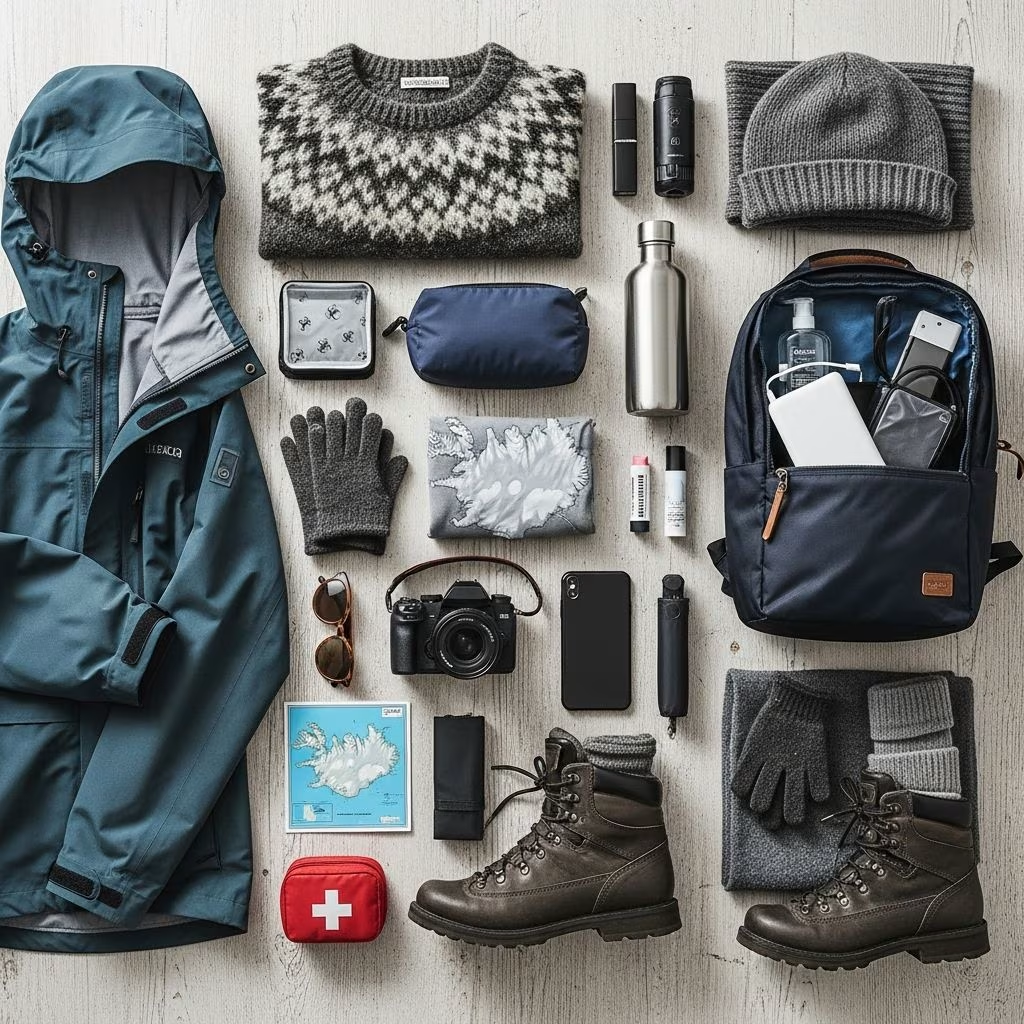
Effective packing for Iceland begins with understanding layering as a functional system rather than individual clothing choices. The three-tier approach—base layer, mid-layer, and outer shell—provides flexibility to adapt to changing conditions throughout each day.
Base layers form the critical foundation of your insulation system. These items, worn directly against the skin, perform the essential function of moisture management. The material composition determines effectiveness significantly. Merino wool and synthetic materials like polyester excel at wicking moisture away from skin while retaining warmth even when damp. Cotton, conversely, absorbs moisture and retains it, creating a cold, uncomfortable situation that deteriorates rapidly in Iceland’s climate.
Pack two sets of thermal underwear in merino wool or synthetic blends. This quantity allows for washing cycles during extended trips while maintaining continuous access to dry base layers. Quality base layers will serve multiple days before requiring washing, reducing overall luggage volume while maintaining hygiene standards and comfort levels.
Mid-layers trap warm air and provide additional insulation between base layers and outerwear. Fleece jackets, wool sweaters, and lightweight insulated pieces serve this function effectively. The key characteristic of mid-layers involves maintaining warmth properties even when exposed to moisture. Synthetic insulation materials and wool outperform cotton alternatives in these conditions.
Prepare two mid-layer options: one lightweight fleece for variable conditions and one heavier wool sweater for colder days or evening activities. This combination provides flexibility without excessive weight. Both items should fit comfortably over base layers to accommodate air trapping, a key mechanism of the layering system.
The outer shell layer protects interior layers from wind and precipitation while allowing moisture vapor to escape. Waterproof jackets and pants specifically designed for outdoor conditions outperform general-purpose rainwear. The jacket should extend to mid-thigh or lower, preventing wind from penetrating at the waist level where gaps between jackets and pants create vulnerability.
Waterproof pants prove equally essential as waterproof jackets. Many travelers overlook this component, underestimating the frequency and intensity of precipitation exposure. Pants designed for easy removal—crucial when transitioning between vehicle exploration and indoor facilities at waterfalls or scenic viewpoints—enhance practical functionality throughout your trip.
Appropriate footwear significantly impacts your comfort and safety throughout Iceland exploration. The terrain varies dramatically across the country, encompassing volcanic rock formations, glacier-adjacent landscapes, uneven hiking trails, and wet surfaces near waterfalls and coastal areas.
Waterproof hiking boots with ankle support provide the optimal foundation for most activities. The ankle coverage prevents small rocks and water from entering footwear while providing stability on uneven terrain. Breaking in boots before your trip prevents blisters that can severely limit daily activities. Consider renting locally if travel weight constraints prove problematic, though investing in quality boots that last beyond your trip offers long-term value.
Avoid sneakers and low-cut shoes that expose ankles and provide insufficient grip on slippery surfaces. Similarly, fashion-oriented footwear fails to meet practical demands of Iceland’s terrain and weather conditions. A single pair of sturdy hiking boots suffices for most itineraries, as these same boots function effectively for waterfall hikes, lava field exploration, and rocky beach walks.
Small items occupy minimal luggage space yet dramatically improve comfort and functionality. Strategic accessory selection reflects understanding of actual conditions encountered throughout Iceland.
Beyond clothing and standard accessories, certain activities require additional preparation or equipment considerations.
Glacier exploration demands specialized footwear and professional guidance. Tour operators provide crampons, helmets, and harnesses as part of organized excursions. Your responsibility involves wearing appropriate base and mid-layer clothing beneath waterproof outer shells. Avoid loose scarves that create entanglement risks with equipment. Thin gloves provide dexterity while maintaining warmth. Sunglasses prevent discomfort from glacier brightness and reflection.
Swimwear serves purposes beyond traditional beach activities in Iceland. Natural hot springs and geothermal pools offer unique experiences requiring appropriate attire. Pack swimwear designed for activity rather than fashion, as these locations involve walking across terrain and entering warm water from cooler air temperatures. A lightweight, quick-dry towel complements this activity efficiently.
Camper van rentals and tent camping require additional considerations beyond day-trip packing. Sleep masks address the extended daylight during summer months when continuous brightness affects sleep quality. Earplugs manage wind and environmental noise common in camping locations. Camp shoes provide comfort around temporary accommodations while protecting feet from rocky surfaces. Warm sleepwear ensures comfort during cold nights when heating systems may be limited.
Modern travel requires reliable access to power and appropriate adapters. Iceland uses European-style Type F plugs operating at 230 volts. Universal converters with USB slots eliminate the need for multiple adapters while providing charging capability for various devices. Power banks or portable chargers extend device functionality when access to outlets proves limited during extended outdoor activities.
Reusable water bottles encourage hydration while reducing single-use plastics. Iceland’s tap water maintains exceptional quality standards, making refilling from public facilities and accommodations safe and practical throughout your journey.
Strategic packing involves deliberate decisions about what to leave behind. Several common travel items create more burden than benefit in Iceland’s context.
Cotton Clothing: Cotton absorbs and retains moisture rather than wicking it away. This characteristic proves problematic in Iceland’s wet conditions, as cotton remains cold and damp for extended periods. Merino wool and synthetic materials provide superior performance without additional weight or bulk.
Excessive Outfits: Iceland travel emphasizes functional versatility rather than fashion variety. Three to four interchangeable base pieces with coordinating mid and outer layers provide sufficient wardrobe options. Prioritize clothing that combines with multiple items rather than single-purpose outfits.
Styling Tools: Hair dryers and straightening tools occupy unnecessary luggage space. Most accommodations provide hairdryers if needed, and Iceland’s wind conditions typically override styling efforts regardless. Minimize or eliminate these items entirely.
Formal Wear: Unless attending specific evening events, formal clothing represents wasted luggage allocation. Reykjavík’s casual culture accommodates comfortable outdoor gear in most social settings.
Umbrellas and Loose Scarves: Strong winds render umbrellas impractical and create hazards. Loose scarves present entanglement risks around equipment. Choose streamlined wind protection instead.
While core principles remain consistent throughout the year, seasonal variations warrant specific adjustments to your packing approach.
| Season | Key Items to Add | Weather Focus |
|---|---|---|
| Summer (May–September) | Sleep mask, lightweight pants, t-shirts, water shoes | Extended daylight, variable warmth, continued moisture |
| Winter (October–April) | Heavy insulated parka, heavier gloves, thermal layers | Extreme cold, extended darkness, frequent precipitation |
| Spring/Fall | Standard layers, flexible mid-layer options | Rapid condition changes, moderate temperatures |
Summer travel offers advantages in terms of daylight duration but maintains weather unpredictability. Lighter base layers and additional quick-dry options accommodate warmer days while maintaining protection for variable afternoons. Winter preparation demands heavier insulation and more robust weatherproofing. Spring and fall require maximum flexibility through layering rather than specialized heavy items.
Transform your packing approach through deliberate organization. Use soft duffel bags or backpacks rather than rigid suitcases, which consume excessive space and complicate transport through accommodations and vehicles. Organize items by function rather than type—grouping everything needed for outdoor activities together, for example.
Consider carry-on-only packing if traveling with minimal baggage. This approach forces thoughtful selection and eliminates checked luggage complications. Quality layering systems allow week-long trips with single small bags containing five to seven pieces of outer clothing, multiple base and mid-layers, and essential accessories.
If packing errors become apparent after arrival, Reykjavík contains outdoor retailers stocking specialized gear appropriate for Icelandic conditions. These stores provide opportunities to acquire forgotten items or upgrade inadequate equipment without pursuing expensive replacements. Rental options for specific activities like glacier hiking or camping equipment reduce initial packing burdens while ensuring professional-grade gear for specialized pursuits.
While technically possible, jeans prove impractical for Iceland travel. Cotton absorbs moisture and dries slowly, creating uncomfortable cold conditions. Outdoor-specific pants designed for water resistance outperform jeans significantly.
Three functional layers—base, mid, and outer shell—provide the system necessary for Iceland conditions. This approach offers flexibility without excessive weight or complexity.
Yes. This inexpensive item protects camera equipment, electronics, and personal items from rain and splashing water during outdoor activities. The investment in a quality cover pays dividends through device protection.
A single pair of waterproof hiking boots suffices for most itineraries. These versatile shoes handle glacier approaches, waterfall visits, lava field exploration, and casual hiking effectively.
Most accommodations offer laundry facilities or services. Quality base layers and mid-weight items can be worn multiple times between washes, reducing luggage requirements while maintaining cleanliness standards.
