
 Stays
StaysStays
What to Wear for a European Ski Trip: Alpine Packing Guide
Comprehensive guide to selecting functional and fashionable clothing for skiing and resort life across European Alpine destinations.
 Stays
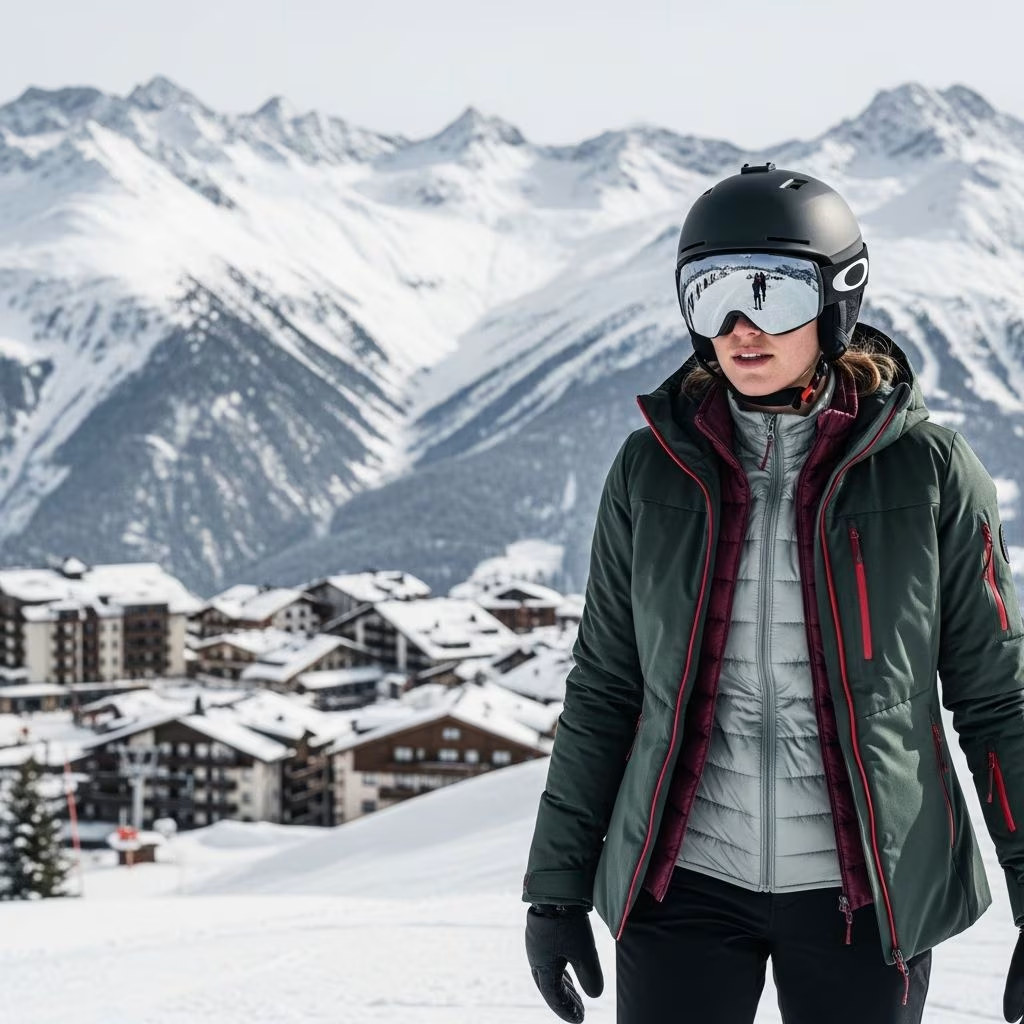
StaysPlanning a winter escape to the snow-covered peaks of the Alps requires more than just enthusiasm and a good sense of adventure. Your clothing choices will directly impact your comfort, safety, and ability to enjoy both the slopes and the vibrant resort atmosphere. European ski destinations present unique fashion opportunities where practicality meets style, and understanding how to navigate this balance is essential for any traveler heading to these iconic mountain regions.
The approach to dressing for European ski resorts differs significantly from simply packing warm clothes. It requires a strategic understanding of layering systems, material properties, and the distinct dress codes that govern both on-slope activities and off-slope socializing. This guide explores the fundamental principles of Alpine winter dressing while highlighting the sophisticated aesthetic that defines European mountain culture.
Understanding the Foundation: Base Layer Systems
The cornerstone of effective cold-weather dressing begins with base layers, which serve as the foundation for all other clothing choices. Base layers function by managing moisture and maintaining body temperature, making them non-negotiable for anyone planning to spend extended periods in freezing conditions.
Quality base layers perform multiple critical functions simultaneously. They wick perspiration away from your skin, preventing the moisture accumulation that leads to rapid heat loss. They provide insulation without excessive bulk, allowing freedom of movement on the slopes. Most importantly, they maintain their performance characteristics throughout extended wear periods.
Merino wool has emerged as the preferred material for serious Alpine skiers and travelers. This natural fiber possesses remarkable thermal properties that adapt to varying conditions—maintaining warmth during extreme cold while allowing breathability during more moderate temperatures. A significant advantage of premium merino base layers is their natural resistance to odor development, meaning a single pair can be worn across multiple days without requiring daily washing. This characteristic makes merino wool particularly valuable for travelers with limited luggage space or those visiting remote mountain locations with restricted laundry access.
Base layer choices should include both tops and bottoms, with thickness appropriate to expected conditions. Thinner merino options work well for moderate days when you’ll be continuously active, while thicker variants provide superior insulation during stationary moments or extreme cold.
Mid-Layer Insulation: Strategic Warmth Without Weight
Building upon base layers, mid-layers add insulation while maintaining the flexibility necessary for active skiing and snowboarding. These layers create trapped air pockets that enhance warmth without the bulk or weight of heavier outerwear.
Fleece vests and wool sweaters function effectively as mid-layers, providing adjustable insulation that can be removed or added depending on activity level and conditions. Merino wool sweaters offer particular advantages for the mid-layer position, delivering warmth while maintaining the moisture-wicking and odor-resistant properties of the base layer system.
On particularly severe days, an insulated layer becomes valuable. Down jackets specifically designed for winter sports provide exceptional warmth-to-weight ratios, though synthetic alternatives work equally well in wet conditions. When selecting insulated layers, attention to down fill power ratings matters—ratings of 550 or higher indicate better quality, with 650 and 850 fill power options providing superior performance for harsh Alpine conditions. This investment in quality insulation pays dividends through improved comfort and longevity across multiple ski seasons.
Protective Outerwear: Waterproofing as Non-Negotiable
Waterproof ski jackets and pants form the critical barrier between your carefully constructed thermal system and the harsh Alpine environment. Unlike regular winter coats, ski-specific outerwear incorporates technical features designed specifically for mountain conditions.
A quality ski jacket should offer comprehensive waterproofing while allowing sufficient breathability to prevent condensation buildup from internal perspiration. Sealed seams, waterproof zippers, and reinforced areas around high-stress zones contribute to garment durability. Color selection influences both visibility on the slopes and long-term satisfaction—neutral colors like black, navy, or gray remain timeless, whereas trendy seasonal colors risk appearing dated within a year or two.
Ski pants warrant equal consideration in the outerwear category. While some skiers emphasize that premium thermal underwear can compensate for lighter pants, dedicated ski pants still provide wind resistance and water protection that dedicated base layers cannot. Waterproof ski pants coordinate with your jacket to create a complete weather barrier.
Ventilation features in both jacket and pants prove valuable during high-exertion activities. Pit zips in jackets and inner thigh zippers in pants allow rapid temperature regulation when body heat builds during intense skiing or boarding.
Extremity Protection: Hands, Feet, and Head
Cold exposure begins at the extremities, where blood circulation naturally diminishes. Protecting hands, feet, and head represents a priority equal to core body protection.
Hand Protection: Waterproof gloves or mittens are essential, with mittens generally providing superior warmth for passive activities while gloves offer better dexterity for equipment management. Glove liners—thin inner gloves made from merino or synthetic materials—add flexibility by allowing the outer glove to be removed without exposing bare skin to cold air. This layering approach addresses the common problem of hands becoming either too warm or too cold throughout a day on the slopes.
Foot Protection: Proper ski socks occupy a surprisingly important role in overall comfort. Unlike regular winter socks, ski-specific socks use durable, cushioned materials that provide shock absorption and protection for feet confined within rigid ski boots. Merino wool ski socks offer thermal properties combined with durability and moisture management. Quality ski socks prevent blisters, reduce foot fatigue, and maintain warmth throughout extended days on the mountain.
Head and Neck Protection: A knitted beanie or winter hat retains significant body heat, as heat loss from the head disproportionately affects overall temperature regulation. Balaclavas or neck gaiters provide flexible protection for the neck and lower face—areas particularly vulnerable to wind chill. These accessories can be adjusted based on current conditions, offering protection during extremely cold periods while remaining removable as conditions moderate.
The European Après-Ski Aesthetic
European ski destinations maintain a distinctly different approach to après-ski fashion compared to North American resorts. While casual comfort dominates at many American ski towns, European Alpine resorts embrace more refined and deliberately styled looks.
This European sensibility incorporates tailored silhouettes, quality fabrics, and attention to detail. Tailored ski pants in neutral tones pair with cashmere or merino wool turtleneck sweaters, creating an elevated yet functional aesthetic. Formal outerwear in classic colors communicates respect for the refined resort atmosphere. This approach doesn’t eliminate comfort—rather, it demonstrates that warmth and style coexist effectively in the European context.
The European après-ski wardrobe accommodates opportunities for more sophisticated dressing. Quality wool and cashmere sweaters transition seamlessly from daytime resort wear to evening dining experiences. Jeans provide casual foundation, while thoughtfully selected accessories—scarves in luxe fabrics, quality winter boots, and carefully curated jewelry—elevate the overall presentation.
Accessory selection becomes more intentional in European resort settings. Patterned scarves in coordinating colors, berets, premium sunglasses, and tailored gloves contribute to a cohesive aesthetic rather than appearing random or utilitarian. Both men and women benefit from developing a refined accessory strategy that complements their core wardrobe.
Building a Strategic Wardrobe for Resort Life
Beyond on-slope skiing, resort time requires versatile clothing that functions across multiple social contexts. A well-planned après-ski wardrobe accommodates daytime exploring, casual dining, and evening social events without excessive duplication.
Essential Après-Ski Items:
- Warm, non-insulated jacket for layering over sweaters during walking around town
- Multiple sweaters in wool and cashmere blends for diverse styling options
- Well-fitted jeans or corduroys that layer effectively over thermal underwear
- Athleisure pieces like quality leggings and hoodies for relaxed moments
- Winter hats and gloves that coordinate with your jacket and sweaters
- Waterproof boots with appeal for town walking, distinct from ski-specific footwear
- Warm socks that complement boots without the cushioning structure of ski socks
- Swimsuit and appropriate water shoes for resort pools or thermal spas
Thoughtful color coordination maximizes outfit combinations from a limited number of pieces. Establishing a neutral base of blacks, charcoals, and whites allows accessories and accent pieces to create visual interest without requiring extensive inventory.
Practical Dressing Strategies for European Mountains
The Instagram Vibe Check: Before committing to specific après-ski outfits, examine social media content from your destination resort. Checking tagged photos from restaurants or bars you plan to visit reveals the actual dress standards practiced by other guests. This research tool eliminates guesswork and helps calibrate your wardrobe choices appropriately.
Strategic Footwear: European resort visitors often wear ballet flats or elegant leather shoes for evening activities, carrying these items in bags while wearing snow boots during daytime exploration. Women appreciate quality ballet flats that transition from daytime to evening wear, while men benefit from polished leather shoes or boots that elevate casual outfits. The willingness to change shoes between daytime and evening activities, rather than wearing single multipurpose boots throughout the day, reflects the refined European approach to dressing.
Layering Versatility: A well-constructed layered outfit adapts to variable conditions throughout the day. Starting with a light mid-layer under your waterproof jacket allows progressive removal as you warm up, with the outer jacket remaining available for wind and weather protection. This flexibility prevents overheating during exertion while maintaining warmth during rest periods.
Investment-Level Garments Worth Prioritizing
While budget considerations influence all wardrobe decisions, certain garments merit investment given their impact on comfort and repeated use:
Quality Base Layers: Premium merino wool base layers represent a one-time investment that justifies higher cost through superior performance and longevity. A quality base layer set lasts across multiple seasons of regular use.
Technical Jacket and Pants: Waterproof ski-specific outerwear performs functions that regular winter coats cannot replicate. A high-quality jacket and pant combination warrants investment given the protection provided and durability achieved.
Insulated Mid-Layer: An insulated down jacket with quality fill power provides reliable performance across variable conditions and seasons. Selecting timeless colors ensures long usability regardless of seasonal trends.
Premium Gloves and Socks: These items contact skin directly throughout extended wear periods. Quality construction prevents discomfort and maintains performance, making premium versions genuinely worthwhile.
Frequently Asked Questions
How many base layer sets should I pack for a week-long ski trip?
High-quality merino wool base layers can be worn multiple days between washes due to their odor-resistant properties. One to two complete sets typically suffice for week-long trips, allowing rotation while one set air-dries overnight.
Can regular winter coats substitute for ski-specific jackets?
Regular winter coats lack the technical features essential for skiing—sealed seams, waterproof membranes, and ventilation systems. Ski-specific jackets provide superior protection and moisture management, making them worthwhile investments.
What should I wear under ski pants?
Premium merino wool base layer bottoms provide optimal warmth and moisture management. Avoid cotton, which retains moisture and loses insulating properties when damp. Thin thermal leggings work adequately for mild days, while thicker options suit severe conditions.
Are heated gloves or boots necessary for European skiing?
Heated accessories enhance comfort during extreme cold or for individuals with naturally poor circulation, but proper layering and quality insulation often suffice for typical Alpine conditions. They represent optional comfort upgrades rather than necessities.
How do I balance style with function in après-ski outfits?
European resorts successfully combine these through quality basics in neutral colors, premium fabric choices, and intentional accessory selection. Well-fitted jeans, cashmere sweaters, and elegant boots create polish while maintaining practicality for mountain environments.
Final Considerations for Alpine Success
Dressing effectively for European ski destinations requires understanding both technical requirements and cultural expectations. The thermal systems that keep you comfortable on the slopes operate independently from the aesthetic choices that define your resort experience, yet both deserve intentional consideration.
Begin with foundational quality—premium base layers, reliable outerwear, and protective accessories—then build personal style upon this functional framework. European Alpine culture celebrates the skier who demonstrates equal commitment to performance and appearance, recognizing that these elements reinforce rather than contradict each other.
The investment in proper clothing pays dividends through immediate comfort on the slopes and sustained satisfaction with your resort wardrobe choices. Whether you’re navigating demanding terrain or exploring charming mountain villages, strategic dressing allows you to fully embrace the Alpine experience across all its dimensions.
References
- The Ultimate Ski Trip Packing List: What to Bring (+ PDF Checklist) — Notes from Europe. 2024. https://www.notesfromeurope.com/travel-blog/ski-trip-packing-list-europe
- What to Pack for a European Ski Trip (So You Look the Part) — Contented Traveller. 2023. https://contentedtraveller.com/what-to-pack-for-a-european-ski-trip/
- Packing Essentials for a European Ski Trip — Who What Wear. 2024. https://www.whowhatwear.com/fashion/winter/european-ski-essentials
- The Ultimate Europe Winter Packing List — Contiki. 2023. https://www.contiki.com/six-two/article/europe-winter-packing-list/
- The Cool Girl’s Guide to Ski-Trip Packing — The Mom Edit. 2024. https://themomedit.com/travel-ski-trip-packing-list-cold-weather-gear-outfit-ideas-snow-clothes-loungewear-winter-beauty-products-what-to-pack-shana/
On This Page
Understanding the Foundation: Base Layer Systems Mid-Layer Insulation: Strategic Warmth Without Weight Protective Outerwear: Waterproofing as Non-Negotiable Extremity Protection: Hands, Feet, and Head The European Après-Ski Aesthetic Building a Strategic Wardrobe for Resort Life Practical Dressing Strategies for European Mountains Investment-Level Garments Worth Prioritizing Frequently Asked Questions Final Considerations for Alpine Success← Previous
Why Flight Attendants Brace During Takeoff and Landing
Next →
Best Hot Chocolate Cities in Europe: Top Cocoa Destinations
Related Reading