

 Travel Essentials
 Travel Essentials

Discover how to dress like a Copenhagen local with layering techniques, quality basics, and functional fashion that balances style with practicality.
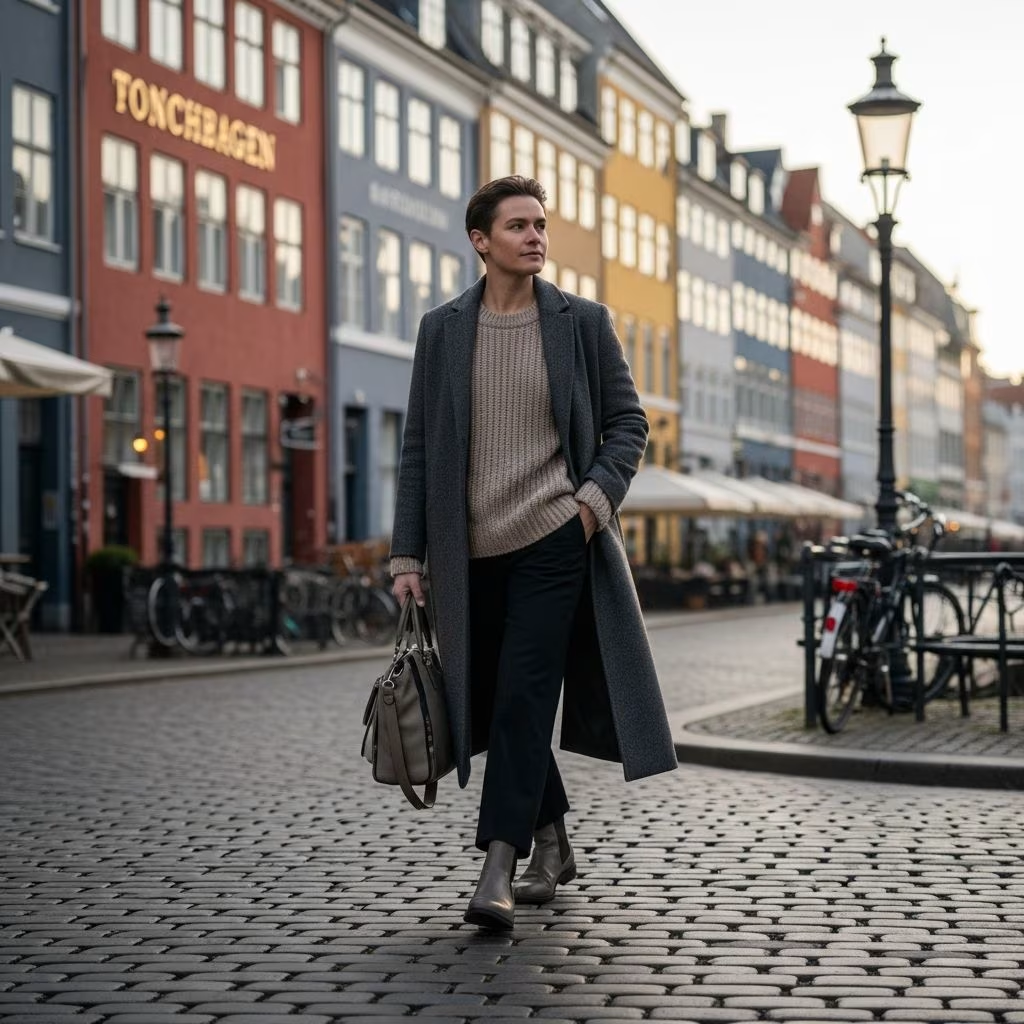 Travel Essentials
Traveling to Copenhagen offers more than iconic landmarks and world-class cuisine—it presents an opportunity to immerse yourself in one of the world’s most distinctive fashion cultures. The streets of Denmark’s capital showcase a unique approach to personal style that prioritizes quality over quantity, functionality over trends, and intentional design over fast fashion excess. Understanding how to navigate Copenhagen’s sartorial landscape allows visitors not only to blend in with locals but also to adopt a more sustainable and thoughtful approach to dressing.
The essence of Copenhagen fashion rests on several core principles that distinguish it from other European capitals. Unlike cities known for bold maximalism or trend-chasing, Copenhagen embraces a philosophy of restraint and purposefulness. This approach stems from both cultural values and practical considerations unique to the Nordic region.
The foundation begins with recognizing that Scandinavian fashion emerged from environmental necessity and cultural preference for simplicity. Locals prioritize pieces that serve multiple functions, coordinate effortlessly with existing wardrobes, and demonstrate superior craftsmanship. This mentality transforms clothing selection from an aspirational exercise into a practical one, where each garment earns its place through versatility and longevity.
Perhaps the most critical technique for mastering Copenhagen style involves understanding layering as both a practical necessity and an aesthetic strategy. The Nordic climate demands thoughtful preparation, but locals have transformed this requirement into an art form that creates visual interest and allows for temperature adaptation throughout unpredictable days.
Effective layering begins with quality base layers—lightweight long-sleeved shirts or thermal pieces that provide warmth without bulk. The second layer typically introduces texture and subtle color, achieved through lightweight sweaters, cardigans, or fitted turtlenecks. The final outer layer should balance practical protection with polished aesthetics, whether through tailored blazers, minimalist coats, or structured outerwear.
The beauty of this approach lies in its flexibility. Morning bike rides require different protection than evening dinners, and a well-planned layering system accommodates these transitions without requiring complete outfit changes. Visitors who master this technique find themselves more comfortable, more stylish, and better prepared for Copenhagen’s variable weather patterns.
Building a Copenhagen-appropriate travel wardrobe doesn’t require excessive shopping. Instead, focus on versatile staples that combine classic appeal with contemporary relevance. These foundational pieces form the backbone of authentic Scandinavian style.
Copenhagen’s outerwear choices deserve special attention, as they anchor every outfit and communicate style intentions more loudly than most garments. Rather than collecting numerous lightweight jackets, invest in strategic pieces that transition across seasons and occasions.
A quality cotton mac coat provides water resistance and timeless appeal for transitional seasons, while a tailored wool coat serves as the ultimate neutral that works from daytime exploration through evening engagements. For cooler periods, a puffer coat in black, navy, or charcoal maintains sleek proportions and pairs with every other wardrobe element. Consider including a lightweight waterproof layer, as Copenhagen’s weather can shift unexpectedly, and locals prioritize functional fashion that handles rain without sacrificing aesthetics.
The key to successful outerwear selection involves choosing pieces with clean lines and neutral colorways that allow the layers beneath to shine rather than compete for visual attention. Scandinavian design philosophy emphasizes that outerwear should enhance rather than overwhelm an outfit.
Modern Copenhagen style embraces silhouettes that prioritize comfort and movement—essential for a city where bicycles outnumber cars and locals traverse cobblestone streets on foot. However, this comfort doesn’t mean sacrificing refinement or adopting shapeless proportions.
The contemporary Nordic aesthetic celebrates **oversized tops paired with fitted or streamlined bottoms**, creating visual interest through proportion play rather than form-fitting construction. Imagine a voluminous sweater tucked into structured high-waisted trousers, or an oversized button-up shirt worn over a fitted cami and slim jeans. This balance prevents outfits from appearing either too casual or unnecessarily restrictive.
Vintage-inspired silhouettes—particularly 1940s high-waisted styles and 1990s relaxed fits—resonate with Copenhagen sensibilities because they combine historical authenticity with contemporary comfort. These proportions also accommodate layering naturally, preventing the bunching or restriction that can result when oversized pieces combine with fitted foundations.
Copenhagen’s cobblestone streets and cyclist-friendly infrastructure demand practical footwear, yet locals refuse to compromise on style. The solution involves selecting shoes that balance aesthetic appeal with genuine wearability.
Comfortable sneakers dominate Copenhagen fashion across all contexts—from casual daytime exploration to dinner plans—because they accommodate active movement while maintaining contemporary style. Look for minimalist designs in neutral colors that coordinate with multiple outfits rather than statement styles that demand outfit planning around them.
Ankle boots in leather or suede provide elevated alternatives for occasions requiring more formal presentation while remaining practical for walking and biking. Flat shoes such as slip-ons or ballet flats offer additional variety without the bulk of heeled options that impede navigation through historic districts.
The Copenhagen approach to footwear rejects the notion that style requires discomfort. Instead, locals invest in quality construction and timeless designs that prioritize foot health and genuine wearability, recognizing that the most stylish people are those comfortable enough to move through the world with confidence.
Copenhagen’s fashion culture deeply values vintage clothing and pre-owned finds, reflecting both sustainability consciousness and aesthetic appreciation for garments with history and patina. This approach distinguishes local style from trend-driven consumption patterns common in other fashion capitals.
Rather than exclusively purchasing new pieces, consider mixing contemporary basics with carefully selected vintage items—perhaps a decades-old leather bag, vintage Levi’s jeans, or inherited accessories from previous generations. These elements add character and individuality while reducing reliance on fast fashion. The visual result communicates sophistication and intentionality, suggesting that wardrobe choices reflect personal aesthetic rather than trend-following.
Copenhagen’s thriving vintage market and second-hand shops provide excellent opportunities for finding quality pieces at reasonable prices. This shopping approach aligns perfectly with local values and allows visitors to return home with unique items that spark conversation while supporting sustainable consumption.
Scandinavian accessory choices emphasize functionality without abandoning aesthetic consideration. Rather than collecting decorative items, Copenhagen locals select pieces that serve practical purposes while enhancing overall presentation.
Structured bags such as backpacks and crossbody styles accommodate active exploration while maintaining polished appearance. Scarves—particularly in rich jewel tones or subtle patterns—add color variation and seasonal interest without excessive visual noise. Simple jewelry in silver or gold provides understated refinement, while belts add definition to layered outfits and oversized silhouettes.
The Copenhagen philosophy regarding accessories rejects maximalism, instead valuing restraint and intentionality. A single beautiful scarf or well-chosen bag contributes more to overall style than multiple smaller accessories competing for attention. This approach keeps wardrobes organized, makes outfit planning efficient, and ensures every selected item coordinates harmoniously with existing pieces.
While Copenhagen fashion embraces neutral foundations, understanding strategic color application elevates outfits from monochromatic to visually sophisticated. The Nordic approach to color differs significantly from maximalist regions, emphasizing selective introduction rather than color abundance.
Foundation colors remain neutral—black, navy, grey, white, cream, and beige—allowing endless mixing and matching while maintaining cohesive aesthetics. Secondary colors introduce gentle variation through blues, muted greens, and warm taupes that complement rather than compete. Accent colors—applied through scarves, shoes, or seasonal pieces—provide visual interest without overwhelming the overall composition.
This measured approach to color prevents outfit fatigue and allows individual pieces to maintain visual interest across multiple seasons and combinations. A grey sweater might pair with navy trousers and ivory shirt one day, charcoal pants and cream cami another, creating entirely different impressions without expanding the actual wardrobe significantly.
Perhaps the most significant distinction between authentic Copenhagen style and superficial imitation involves prioritizing fabric quality and proper tailoring. Locals understand that construction quality and fit matter more than brand names or seasonal trends.
Quality fabrics feel superior, wear longer, and age beautifully—characteristics that align perfectly with Copenhagen’s sustainability values and financial sensibilities. Rather than purchasing numerous disposable garments, invest in fewer pieces constructed from premium materials that withstand years of regular wear.
Tailoring ensures that oversized silhouettes maintain intentional proportions rather than appearing sloppy, and that quality basics achieve perfect proportions for individual body types. Many Copenhagen residents allocate significant wardrobe budgets to tailoring services, recognizing that proper fit transforms even modestly priced items into refined pieces.
Spring (May): Layer lightweight sweaters with puffer coats, as temperatures fluctuate dramatically throughout the day. Sneakers provide comfort while exploring awakening neighborhoods.
Summer: Prioritize breathable fabrics and comfortable silhouettes while maintaining the minimalist aesthetic. Long-sleeved pieces offer sun protection during extended daylight hours.
Fall: Introduce warmer sweaters, structured coats, and versatile layering pieces. Waterproof outerwear becomes essential as precipitation increases.
Winter: Invest in quality wool coats, thermal layers, and protective accessories. The extended darkness requires intentional color consideration to combat seasonal mood effects.
Visiting Copenhagen presents opportunities to discover Nordic designers who embody the values and aesthetics discussed throughout this guide. Supporting local brands not only provides authentic pieces but also connects you to the creative communities shaping regional fashion.
Copenhagen’s designer landscape offers options across price points, from established houses to emerging creators. Shopping locally ensures pieces reflect genuine design philosophy rather than trend interpretation, and conversations with shop staff provide valuable context regarding garment construction and designer inspiration.
Yes, all-black outfits represent authentic Copenhagen style, particularly when pieces feature contemporary silhouettes and intentional layering. Black remains perpetually appropriate for all occasions.
Two to three pairs suffice: comfortable everyday sneakers for exploration, ankle boots for slightly dressier occasions, and perhaps flat shoes for variety. Prioritize versatility over quantity.
No—focus on quality basics you already own or can source locally. The goal involves understanding styling principles rather than acquiring Copenhagen-branded goods.
Introduce color through accessories, secondary layers, and vintage pieces rather than foundational garments. This approach maintains Copenhagen aesthetics while expressing personal preference.
