

 Travel Essentials
 Travel Essentials

Learn the fundamental principles of Italian fashion and build a versatile wardrobe with essential pieces that embody elegance, quality, and timeless style for traveling through Italy.
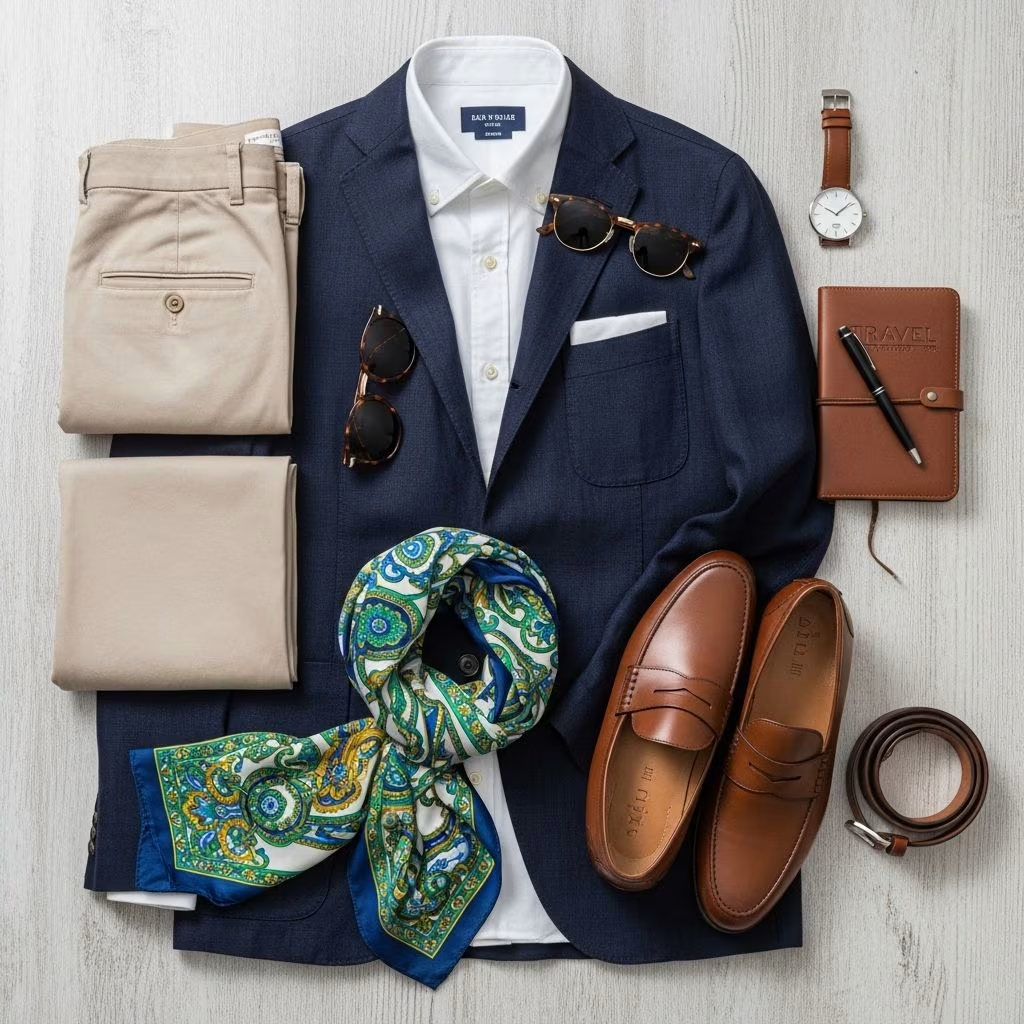 Travel Essentials
Italy represents the pinnacle of Western fashion and aesthetic refinement, a reputation built over centuries of artistic achievement and cultural sophistication. When preparing for an Italian journey, understanding the foundational principles of how Italians approach personal style becomes essential. Rather than chasing trends or accumulating excessive clothing, Italian fashion philosophy emphasizes quality, fit, and intentional design choices that work harmoniously together.
The cultural ethos surrounding fashion in Italy differs markedly from many other Western nations. According to fashion industry experts, tradition, history, and curiosity interweave to create what we recognize as Italian style—it functions as a lifestyle rather than merely a collection of garments. This perspective transforms how travelers should approach packing for an Italian adventure. Instead of viewing a trip as an opportunity to wear vacation-specific outfits, consider it a chance to embrace principles that have guided Italian dressing for generations.
At its core, Italian fashion prioritizes three fundamental concepts: impeccable fit, quality construction, and versatility. These principles should guide every garment selection for your Italian wardrobe. The emphasis on fit cannot be overstated—whether a piece costs thirty euros or three hundred, Italians prioritize tailoring and proper proportions above all else. This means that fitted shirts, snug pants, and streamlined blouses form the backbone of authentic Italian style.
The concept of a capsule wardrobe—a curated collection of versatile, complementary pieces—aligns perfectly with Italian sensibilities. Rather than packing numerous outfits designed for specific occasions, Italian travelers select foundational pieces that mix and match effortlessly. This approach reduces luggage volume while ensuring you maintain a polished appearance throughout your journey.
Building an Italian-inspired travel wardrobe requires understanding which basic pieces anchor every ensemble. The following items form the core of what every Italian wardrobe contains:
These foundational pieces work together to create multiple outfit combinations without requiring extensive packing. A button-up shirt can be worn alone over a tank top, layered under a blazer, or left open as a cover-up. Denim pairs with the button-up for casual exploration and with the blazer for evening dining. This interconnectedness ensures maximum versatility from minimal luggage.
Italy’s climate varies significantly by season, requiring thoughtful fabric and garment selection. Spring travel demands layering pieces since temperatures can fluctuate between mild mornings and warmer afternoons. Incorporate lightweight cardigans, long-sleeve tops, and at least one rain-resistant jacket. For footwear, waterproof ankle boots accommodate both the possibility of rain and Italy’s uneven cobblestone streets.
Summer in Italy presents distinct challenges—heat and humidity dominate much of the season. Linen emerges as the unofficial fabric of summer Italian style. This natural material breathes exceptionally well while maintaining an elegant appearance. Pack linen pants, shorts, and tops that can be paired with your core wardrobe pieces. Cotton blends also perform well during warm months, offering breathability without excessive wrinkling.
For autumn and winter travel, merino wool becomes invaluable. This specialized fabric regulates temperature effectively, managing moisture in both hot and cold conditions. Incorporate merino wool t-shirts and button-downs as base layers, then build outfits with lightweight sweaters and structured jackets. The versatility of merino wool means you can pack fewer items while remaining comfortable across temperature ranges.
The fabrics you select significantly impact both comfort and appearance throughout your Italian adventure. While natural fibers dominate Italian fashion choices, understanding how different materials perform becomes essential for successful travel packing.
| Fabric Type | Best Uses | Climate Suitability | Care Considerations |
|---|---|---|---|
| Linen | Summer shirts, pants, shorts, dresses | Hot and humid weather | Naturally wrinkles; embrace the aesthetic |
| Cotton Blends | Versatile tops, button-ups, casual wear | Spring through autumn | Wrinkle-resistant options available |
| Merino Wool | Base layers, sweaters, breathable button-downs | All seasons; temperature regulation | Minimal washing required; naturally odor-resistant |
| Silk | Elegant pieces, scarves, layering | Versatile across seasons | Requires careful handling and delicate washing |
When selecting fabrics, prioritize natural materials over synthetics. Italians traditionally favor natural fibers for their superior comfort, breathability, and aesthetic qualities. These materials also tend to age gracefully, developing character rather than deteriorating with use.
Perhaps more important than the specific garments themselves is how those garments fit your body. Italian fashion philosophy emphasizes that a well-fitted piece in an affordable price range outperforms an expensive item with poor tailoring. Before purchasing any item for your Italian wardrobe, assess how it hugs your frame, particularly around the waist and shoulders.
For travelers, this principle becomes especially relevant when considering purchasing clothing in Italy. Many boutiques and local shops offer tailoring services, allowing you to acquire pieces during your trip and have them fitted perfectly before departure. Even simple adjustments—hemming pants, taking in waistbands, or cinching sleeves—transform how an outfit presents.
Italians typically favor a thoughtful approach to color and pattern rather than embracing every trend. Solid neutral colors form the foundation of most Italian wardrobes, providing maximum versatility and mix-and-match capability. Blacks, whites, creams, grays, and navy blues create sophisticated base outfits that work across different contexts and times of day.
When incorporating color and pattern, Italians tend toward classic combinations rather than experimental approaches. Traditional prints like leopard spots or polka dots appear regularly in Italian style, representing timeless patterns that transcend seasonal trends. If you choose to include patterned pieces, select items that coordinate with your neutral foundation rather than requiring specific combinations.
The strategy of maintaining a predominantly neutral palette with strategic color accents through accessories proves most effective for travel. This approach preserves versatility while allowing personal expression through smaller items that don’t consume significant luggage space.
Italy’s streets—particularly in historic city centers—present unique footwear challenges. Cobblestone surfaces, uneven pavement, and extensive walking demand shoes that balance style with functionality. Rather than packing numerous shoe styles, select three versatile options that adapt to different contexts:
Italians themselves often embrace slip-on shoes and minimal socks, even during cooler seasons. This relaxed approach to footwear reflects the cultural comfort with informal elegance. If you’re accustomed to wearing socks, consider packing only a few pairs reserved for specific situations; Italian style often forgoes this layer entirely.
While the foundation of Italian style relies on essential clothing pieces, accessories provide the mechanism for expressing personality and elevating basic ensembles. Rather than accumulating numerous accessories, Italians select statement pieces in quality materials that transform fundamental outfits.
Consider incorporating:
These elements allow you to project Italian sensibility even when wearing foundational pieces repeatedly throughout your journey. A simple white dress transforms dramatically depending on which sandals, bag, and jewelry you pair with it, creating distinct outfits from limited clothing.
Different Italian settings call for subtle adjustments to your core wardrobe pieces. Understanding how to adapt your basics for various contexts ensures you feel appropriately dressed throughout your trip.
For casual daytime activities—exploring neighborhoods, visiting markets, enjoying gelato—pair shorts or lightweight pants with simple tops, comfortable shoes, and minimal accessories. Italians embrace short shorts in summer, often showing more leg than travelers from other cultures might expect. This casual approach prioritizes comfort and practicality while maintaining effortless style.
For evening dining and social occasions, elevate your basics through strategic layering and accessory choices. The addition of a blazer transforms a simple outfit, while statement jewelry adds sophistication. A linen dress paired with a blazer and elegant sandals creates dinner-appropriate styling while remaining comfortable.
For religious or formal settings, ensure clothing covers shoulders and knees as a sign of respect. Your core wardrobe pieces—longer dresses, button-ups, wide-leg trousers—naturally accommodate this requirement without requiring special additions.
Organizing your Italian wardrobe around the capsule concept means calculating specific garment quantities. A two-week trip typically requires approximately four dresses, one jumpsuit or matching set, one pair of versatile pants paired with several nice tops, one swimsuit with cover-up, two functional bags, and three pairs of shoes. These quantities provide adequate options for daily wear while remaining light enough for easy transport.
When selecting specific items within these categories, prioritize pieces that coordinate with your chosen color palette. Every dress should work with multiple tops and shoes. Every pair of pants should transition from day to evening with appropriate tops and accessories. This interconnectedness maximizes outfit combinations from minimal items.
Many travelers discover that purchasing garments in Italy enhances both their wardrobe and their travel experience. Local boutiques and markets offer unique pieces not available in home countries, while Italian tailoring ensures perfect fit. If you choose to shop during your trip, consider leaving additional luggage space or utilizing shipping services to transport purchases home.
When shopping for Italian clothing, apply the same principles discussed throughout this guide. Prioritize fit over brand names, select neutral foundations over trendy pieces, and invest in quality natural fabrics. Italian retailers and boutique owners share these values, often stocking precisely the types of garments that align with authentic Italian style.
Ultimately, successful Italian style isn’t about accumulating trendy pieces or designer labels. Instead, it reflects a philosophical approach emphasizing quality, intentionality, and respect for craftsmanship. By understanding and embracing these principles—prioritizing fit, selecting natural fabrics, building a versatile color palette, and investing in pieces that work together—travelers can achieve authentic Italian elegance regardless of budget or body type.
This approach to dressing transforms your Italian journey into an immersive experience of the culture itself. Rather than standing apart as a tourist wearing vacation-specific outfits, you participate in the cultural values that define Italian society. The confidence that comes from feeling appropriately and elegantly dressed enhances every interaction, from casual market encounters to sophisticated restaurant dinners.
Spring requires layering pieces due to temperature fluctuations. Include long-sleeve tops, cardigans, lightweight jackets, and at least one rain-resistant layer. Waterproof ankle boots work well for both rain protection and cobblestone comfort. Base your color palette around neutrals with one or two accent colors.
Yes, absolutely. Italians embrace shorts regularly, often in shorter lengths than travelers from other cultures might expect. Select neutral or classic colors, pair them with quality tops, and wear comfortable but stylish shoes to complete the look.
Linen is considered the unofficial fabric of summer Italian style. It breathes exceptionally well in heat and humidity while maintaining an elegant appearance. Cotton blends also work well. Avoid heavy synthetics that trap heat and limit breathability.
Three versatile pairs suffice for most Italian journeys: comfortable walking shoes for daytime exploration, elegant sandals or flats for dressing up, and waterproof boots or closed-toe wedges for weather and formal occasions.
Many travelers benefit from bringing foundational pieces and purchasing accent items in Italy. This approach supports local businesses, provides unique pieces, and often guarantees perfect fit through Italian tailoring services.
Fit surpasses all other considerations. A well-fitted affordable piece outperforms an expensive item with poor tailoring. Before purchasing anything, assess how it proportions your body, particularly around the waist and shoulders.
