

 Travel Essentials
 Travel Essentials

Learn how to dress authentically in Paris with timeless pieces, proper fit, and understated elegance. Master the principles of Parisian style for any season.
 Travel Essentials
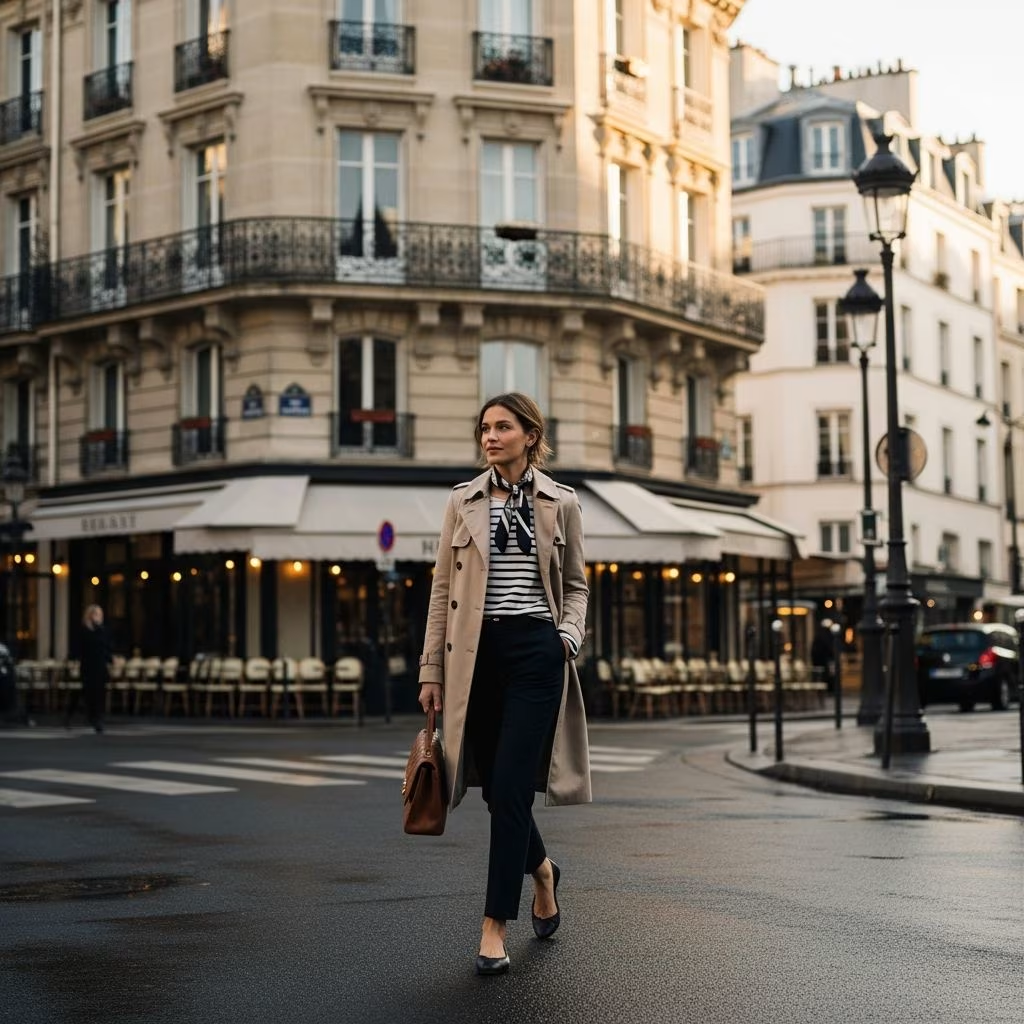
Traveling to Paris presents a unique opportunity to immerse yourself in one of the world’s most revered fashion capitals. However, dressing for Paris goes far beyond simply packing trendy pieces or expensive labels. The essence of Parisian style lies in understanding a philosophy that prioritizes quality, proportion, and restraint over fast fashion trends and conspicuous consumption. This guide explores the foundational principles that will help you navigate Parisian streets with confidence and authentic elegance.
Parisian style operates on principles distinctly different from many Western fashion cultures. Rather than constantly chasing the latest trends, Parisians invest in pieces that transcend seasonal fluctuations. This approach stems from a deeper appreciation for craftsmanship and longevity in garments.
The foundation of Parisian elegance rests on several interconnected concepts. First, there is an unwavering commitment to proper garment construction. French women and men understand that how clothing fits on the body matters more than the price tag or brand name. A well-tailored pair of trousers from an affordable retailer will outshine an expensive dress that hangs incorrectly.
Second, Parisians embrace a philosophy of versatility. Rather than purchasing items for single occasions, they select pieces that work across multiple scenarios and seasons. A neutral-colored blazer becomes the foundation for countless outfit combinations, transforming from casual to professional with minimal adjustments.
Third, restraint defines Parisian aesthetics. Loud patterns, excessive ornamentation, and attention-seeking design elements contradict the understated elegance that characterizes authentic Parisian style. The goal is to create an impression of effortless sophistication rather than demonstrating effort or expense.
If one principle deserves emphasis above all others, it is this: fit determines whether an outfit succeeds or fails. In Paris, tailoring represents an investment rather than an afterthought. Many Parisians maintain relationships with tailors who understand their body proportions and styling preferences.
When selecting pieces for your Paris wardrobe, prioritize garments that already fit well across the shoulders, chest, waist, and length. Avoid the temptation to purchase items simply because they are inexpensive or currently trending if they do not fit your frame properly. The cost of tailoring adjustments often proves worthwhile for quality pieces that will serve you across multiple trips.
Consider these fit guidelines for essential garments:
Rather than acquiring numerous pieces for a Paris trip, focus on building a cohesive capsule wardrobe where each item coordinates seamlessly with others. This approach reduces decision fatigue, minimizes luggage volume, and ensures you always have something appropriate to wear.
Your pant selection forms the backbone of your Parisian wardrobe. Invest in at least two pairs of well-fitted ankle-length trousers in neutral shades such as black, navy, or charcoal. These provide sophisticated options for dining out or visiting cultural venues.
Denim deserves inclusion, but with specific parameters. Choose jeans in traditional cuts rather than extreme styles. Dark washes and minimal distressing project a more polished appearance than heavily faded or ripped alternatives. Straight-leg, relaxed, or wide-leg silhouettes dominate current Parisian preferences, moving away from the overly slim cuts of previous years.
For warmer seasons, tailored shorts in neutral tones work when styled appropriately with more structured tops and polished footwear. However, prioritize length and fit—shorts should hit mid-thigh and maintain a put-together appearance rather than conveying casual beach wear.
Quality basics form your outfit foundation. Pack three to four long-sleeved shirts or blouses in white, cream, or light neutral tones. These versatile pieces layer effectively and transition across seasons. Look for natural fabrics like cotton or linen that drape well and breathe comfortably.
Include two to three lightweight sweaters for layering and cooler weather. Neutral colors in high-quality materials prove most practical. Avoid oversized silhouettes in favor of pieces that follow your body’s natural contours without clinging.
A lightweight trench coat or structured jacket serves as your primary outerwear piece. This single garment provides sophisticated layering options for variable spring and fall temperatures. Choose a neutral shade that coordinates with your existing wardrobe.
Strategic accessory selection elevates any outfit without requiring numerous pieces. A quality leather crossbody bag in black or caramel provides daily functionality while maintaining the refined aesthetic Parisians favor. Avoid oversized totes or novelty designs.
Scarves offer exceptional versatility for Parisian dressing. Two lightweight scarves in neutral or complementary colors can be worn around the neck, layered with outfits, or accessorized through belt loops for visual interest. Silk or silk-blend materials provide elegant draping.
Include a neutral leather belt and a classic timepiece. These understated accessories communicate attention to detail without demanding attention. A refined belt can cinch layered pieces and create visual definition.
Paris experiences distinct seasonal variations that influence appropriate clothing choices. Understanding how to adapt your core wardrobe across seasons ensures comfort and authentic styling.
Spring weather in Paris transitions unpredictably between cool mornings and mild afternoons. Layer strategically with lightweight pieces that can be added or removed. Textured blazers in tweed or subtle patterns transition seamlessly from day to evening activities. Floral prints work during spring months when incorporated subtly—consider a floral dress under a neutral blazer rather than wearing bold florals as standalone pieces.
Cotton dresses in simple silhouettes provide comfortable options for warmer days. Linen pieces introduce breathable texture without sacrificing the structured appearance Parisians maintain.
Summer demands lightweight, breathable fabrics that maintain a sophisticated appearance. Linen trousers and cotton pieces keep you comfortable while preserving the polished aesthetic. Wide-leg pants in light neutral shades provide elegant options that photograph beautifully against Parisian backdrops.
Midi skirts have experienced a resurgence in Parisian fashion, offering sophisticated alternatives to shorter hemlines. Pair them with fitted tops or tuck in simple blouses to create balanced proportions.
Footwear becomes critical during summer months. Ballet flats, minimalist sneakers, and structured sandals (such as Birkenstock-inspired styles) represent appropriate choices. Avoid flip-flops or casual beach footwear in urban settings.
Cooler months introduce opportunities for layering with sweaters, structured cardigans, and heavier outerwear. A wool coat serves as an investment piece that elevates any outfit and provides necessary warmth. Tailored trousers in heavier fabrics and knee-high boots complement the seasonal aesthetic.
Understanding what not to wear proves equally valuable as knowing what to include. Certain clothing categories undermine the sophisticated appearance Parisians cultivate.
Avoid wearing yoga pants, leggings, or other athletic garments as standalone pieces. While joggers can work within a deliberately styled outfit—particularly under a structured trench coat—they should never appear worn for comfort. Athletic wear signals casual indifference to appearance, which contradicts Parisian values.
Crop tops, extremely low necklines, and short shorts have no place in authentic Parisian dressing. These items either expose too much skin or suggest a casual, youthful aesthetic that dominates other cultures more than France. Maintain a standard of coverage and subtlety that communicates respect for the environment and other people.
Large graphic t-shirts with prominent logos, bold brand names, or cartoon characters announce their wearers as tourists rather than locals. Opt instead for classic solid-color tees, subtle striped patterns, or refined prints incorporated into higher-quality pieces.
Baggy silhouettes, oversized shapes, and garments clearly chosen for their current trend status clash with Parisian sensibilities. While fashion certainly influences Paris, the emphasis remains on timeless pieces that endure beyond a single season.
Shoes communicate volumes about personal style in Paris. The choices you make significantly impact how authentically you blend with local fashion.
For polished occasions, invest in well-maintained leather shoes that convey craftsmanship and attention to detail. Classic pumps, structured flats, or refined loafers work across situations. Ensure shoes receive proper care and cleaning to maintain their appearance.
For casual daily wear, minimalist sneakers in white or neutral single colors represent excellent choices. Classic styles from established athletic brands that have transcended their original category prove appropriate. Canvas sneakers paired with well-fitted jeans and structured layers create quintessential Parisian casual outfits.
Completely avoid flip-flops, overly casual sandals, or beach-oriented footwear in urban settings. Save athletic shoes specifically designed for sports activities for your hotel rather than street exploration.
Translating these principles into actual luggage requires strategic planning. Create a packing list organized by category to ensure variety without excess.
| Category | Quantity | Recommendations |
|---|---|---|
| Neutral Trousers | 2 pairs | Black and navy ankle-length, well-fitted |
| Denim | 1 pair | Dark wash, straight-leg or relaxed cut |
| Long-sleeved Blouses | 3-4 | White, cream, light neutral tones |
| Lightweight Sweaters | 2-3 | Neutral colors in quality materials |
| Structured Blazer | 1 | Neutral shade, classic cut |
| Trench Coat | 1 | Waterproof, neutral color |
| Shoes | 3 pairs | Ankle boots, minimalist sneakers, loafers |
| Accessories | Various | Belt, scarves, crossbody bag, watch |
Beyond core wardrobe items, adjust your packing based on seasonal travel. Spring trips might include lightweight layers and versatile blazers that transition between temperatures. Summer packing emphasizes breathable fabrics and footwear that handles both casual exploration and more refined dining. Fall and winter require heavier outerwear and additional sweater layers for warmth without sacrificing style.
Yes, jeans are absolutely acceptable in Paris, and locals wear them regularly. However, selection matters significantly. Choose jeans in traditional cuts with minimal distressing, dark washes, and proper fit. Avoid extremely skinny silhouettes in favor of straight-leg or relaxed options. Additionally, maintain at least one pair of formal trousers for establishments with dress codes.
Price point matters far less than quality and fit. A reasonably priced pair of well-tailored trousers outperforms an expensive piece that fits poorly. Focus resources on foundational items that will receive frequent wear, and consider tailoring investments for proper fit. Many Parisian locals shop strategically across price points while maintaining consistent aesthetic standards.
Subtle patterns work within the Parisian framework, particularly in secondary layers or accessories. However, avoid bold, oversized patterns or clashing color combinations. When incorporating color beyond neutrals, opt for muted tones that coordinate smoothly with your core wardrobe pieces.
Remarkably unimportant to authentic Parisian style. While prestigious brands certainly exist in Paris, wearing visible logos or making obvious brand statements contradicts Parisian values. Quality, fit, and coherent styling matter infinitely more than the label inside your garment.
Hemlines should hit thoughtfully—either at the knee or extending to midi length for skirts. Shorts, when worn, should reach mid-thigh and maintain a structured, polished appearance rather than conveying casual beach wear. Avoid extremes in either direction.
Dressing authentically in Paris involves understanding and respecting a distinct fashion philosophy that prioritizes timelessness, quality, and restraint. By focusing on proper fit, investing in versatile basics, and thoughtfully curating your selections, you create a wardrobe that serves across multiple trips while helping you blend seamlessly with local aesthetics.
Remember that authentic Parisian style communicates effortless sophistication through simplicity and attention to detail rather than through abundance or visible expense. The most elegantly dressed individuals in Paris often wear relatively simple pieces that have been selected with intention and styled with coherence. Your approach to dressing for Paris should reflect this philosophy—fewer pieces chosen more carefully create more authentic results than numerous items hastily assembled.
As you prepare for your Parisian adventure, invest time in evaluating your existing wardrobe for pieces that align with these principles. You may discover that quality basics you already own require only minor additions to create a complete, cohesive travel wardrobe. This approach honors both practical travel considerations and the sophisticated aesthetic that continues to define Parisian fashion globally.
