


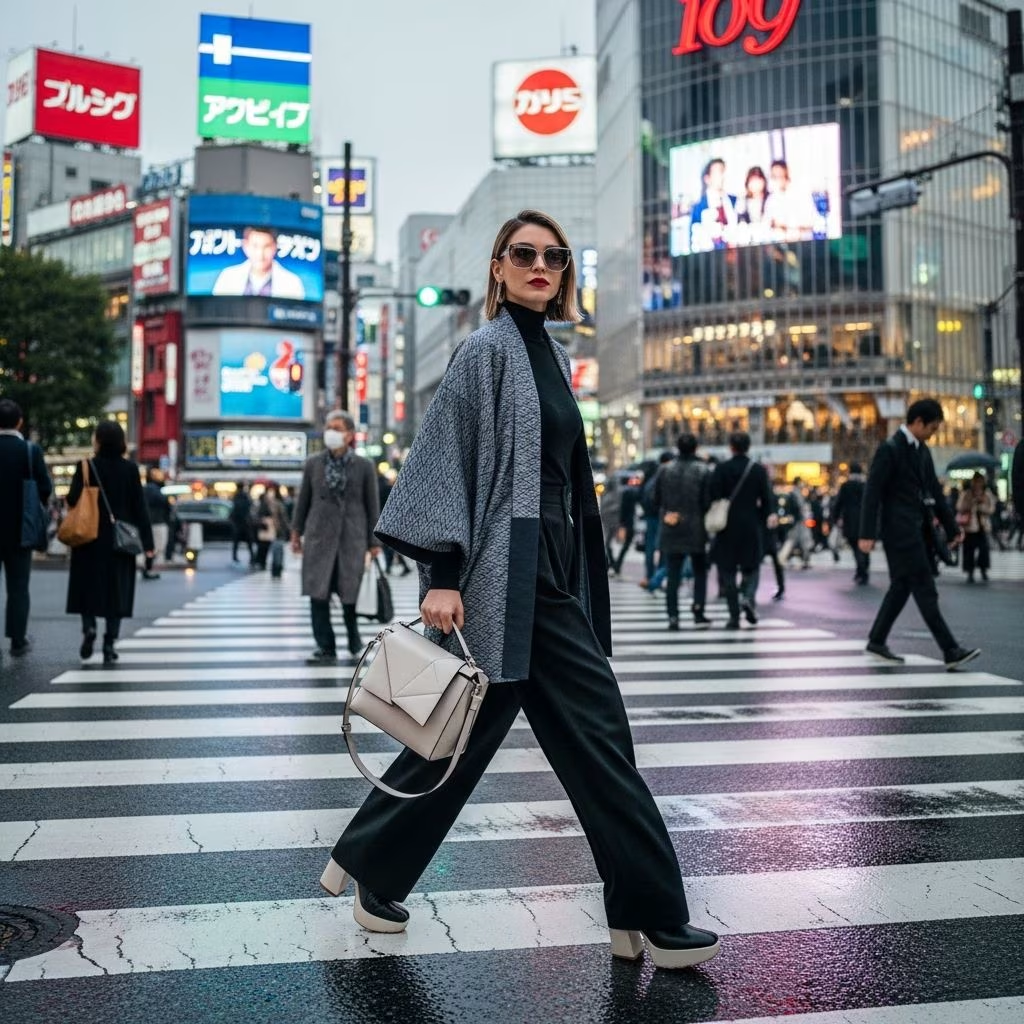
Tokyo’s fashion landscape presents a unique blend of precision and creativity that can initially seem intimidating to visitors. The city’s residents have cultivated a distinctive style philosophy that emphasizes intentionality, cleanliness, and thoughtful layering rather than bold statements or excessive ornamentation. Understanding how to navigate Tokyo’s sartorial expectations will enhance both your comfort and confidence during your visit.
Understanding Tokyo’s Fashion Foundation
Tokyo fashion operates on a foundation of understated elegance and meticulous attention to detail. The city’s approach to clothing prioritizes neat, well-maintained pieces over trendy or attention-grabbing items. This aesthetic reflects broader cultural values in Japan that emphasize harmony, respect, and consideration for one’s surroundings. When planning your wardrobe for Tokyo, the primary objective should be selecting pieces that appear intentional and carefully considered rather than casual or disheveled.
The concept of “clean layering” forms the cornerstone of Tokyo-inspired dressing. This technique involves building outfits with multiple pieces that work harmoniously together, allowing for adjustments throughout the day as temperatures and social contexts shift. Layering serves both practical and aesthetic purposes in Tokyo, where climate variations and time-intensive public transit require flexible wardrobe options.
Core Color Palette Strategy
Tokyo’s dominant color narrative centers on neutral tones and muted shades that create a cohesive visual environment throughout the city. Embracing this palette doesn’t mean sacrificing personality; rather, it involves using subtle color choices strategically to create sophisticated combinations. The most effective approach involves building your travel wardrobe around foundational neutral pieces in black, white, beige, grey, navy, and tan.
These neutral bases provide the flexibility to mix and match pieces throughout your trip while maintaining a polished appearance. Adding minimal color accents through accessories or secondary pieces allows for visual interest without disrupting the refined aesthetic Tokyo residents cultivate. Spring visitors, for instance, often observe locals incorporating soft pastels alongside their neutral foundations, creating understated seasonal transitions.
Essential Wardrobe Components for Tokyo Travel
Building a functional Tokyo wardrobe requires identifying versatile pieces that serve multiple purposes across different occasions. The following categories form the backbone of effective travel packing:
- Layering Foundations: Invest in quality long-sleeve shirts, lightweight sweaters, and thermal tops that provide warmth without bulk. These pieces become invaluable when navigating temperature-controlled indoor spaces during Tokyo’s warmer months or colder seasons.
- Structured Outerwear: A well-fitted blazer in black or neutral tones functions as a transformative piece that elevates casual daytime outfits for evening occasions. Alternatively, consider a quality trench coat for transitional weather conditions or a tailored bomber jacket for contemporary styling.
- Bottom Pieces: Wide-leg trousers, clean jeans in dark washes, and tailored pants provide comfortable yet polished options. Avoid excessively tight silhouettes or heavily distressed denim, as these contradict Tokyo’s emphasis on neat, intentional presentation.
- Footwear Selection: Prioritize comfortable, well-maintained shoes appropriate for extensive walking. Sleek ankle boots, slip-on loafers, and clean sneakers work well. Avoid worn-out or athletic-style shoes unless engaging in specific sporting activities.
Seasonal Considerations and Climate Adaptation
Tokyo experiences distinct seasonal changes that necessitate thoughtful wardrobe adjustments. Spring brings mild temperatures and occasional cool mornings, making lightweight sweaters and layerable pieces essential. Summer introduces humidity and warmth, requiring breathable fabrics and loose silhouettes, though air-conditioned interior spaces remain notably cold compared to outdoor temperatures.
Autumn delivers crisp weather perfect for structured blazers, trench coats, and transitional layers that bridge seasonal shifts. Winter requires thermal components, heavier outerwear, and consideration for indoor-outdoor temperature variations. Planning your packing around these seasonal realities ensures you maintain comfort without sacrificing Tokyo’s refined aesthetic throughout your visit.
Modesty Standards and Cultural Respect
Tokyo fashion culture maintains stronger modesty conventions than many Western cities. This reflects both cultural preferences and practical considerations for navigating crowded public spaces. Avoiding transparent fabrics that reveal undergarments, steering clear of exposed midriffs, and eliminating cleavage-revealing tops ensures respectful engagement with Tokyo’s fashion norms.
These guidelines apply equally to all genders and age groups. Selecting clothing that covers the torso adequately and maintains clean lines demonstrates awareness and respect for the environment you’re visiting. This doesn’t require adopting an overly conservative appearance; rather, it involves making intentional choices about coverage that align with local preferences.
Crafting Versatile Outfit Combinations
Effective travel wardrobe planning focuses on identifying pieces that combine in multiple ways, maximizing outfit variety from a minimal number of items. Consider these foundational combinations:
Classic Day Ensemble: Pair neutral-colored wide-leg trousers with a simple long-sleeve shirt and comfortable loafers. Add a lightweight cardigan or structured blazer for layering flexibility. This combination works for sightseeing, casual dining, or daytime shopping.
Evening Refinement: Transform casual pieces by swapping a graphic tee for a bustier top or sophisticated blouse and adding tailored trousers or a midi skirt. Layer with your structured blazer and swap sneakers for pointed-toe flats or kitten heels. This approach allows for evening activities without requiring entirely separate outfits.
Transitional Weather Look: Begin with a neutral turtleneck, layer with a long-sleeve shirt, and add a quality trench coat or oversized blazer. Pair with wide-leg khaki or camel-colored trousers and slip-on loafers. This formula accommodates temperature fluctuations throughout the day while maintaining visual cohesion.
Accessory Strategy for Tokyo Impact
Tokyo’s approach to accessories emphasizes restraint and intentionality rather than quantity. A single statement piece—whether a metallic bag, distinctive necklace, or bold shoe—provides visual interest without overwhelming an outfit. Similarly, understated jewelry including slim bracelets or subtle chains offers refinement without drawing excessive attention.
Crossbody bags serve practical purposes for daily exploration while maintaining the polished aesthetic Tokyo residents favor. Avoid overstuffed backpacks or excessively casual accessories unless engaging in specific activities. The goal involves selecting accessories that feel purposeful and contribute to an overall cohesive appearance.
Embracing Creative Expression Within Constraints
While Tokyo’s fashion culture emphasizes minimalism and refinement, this doesn’t preclude creative self-expression. Specific neighborhoods including Omotesando and Kichijoji showcase experimental fashion where avant-garde designers and vintage styling flourish alongside the city’s more conservative aesthetic. Visitors interested in exploring these areas can incorporate bolder elements including vintage band t-shirts, designer pieces, or distinctive accessories.
The distinction involves understanding when and where more experimental styling becomes appropriate. Daytime sightseeing in central Tokyo neighborhoods generally calls for the refined approach outlined above, while evening activities in creative districts offer opportunities for more expressive choices. This flexibility allows visitors to respect Tokyo’s broader fashion culture while expressing individual personality.
Practical Packing Approach
Success in Tokyo dressing begins with thoughtful packing that prioritizes versatility and quality. Rather than including numerous specialty items, select foundation pieces in neutral tones that combine effectively. A typical packing list might include three pairs of bottoms (one pair neutral jeans, one pair tailored trousers, and one midi skirt), four to five tops (including one white button-down shirt, two long-sleeve tees, one sweater, and one structured piece), one quality outerwear item, and three pairs of shoes representing different occasions.
This minimal approach provides sufficient variety for a week-long trip while maintaining the ability to mix and match pieces throughout your stay. Choosing high-quality basics in neutral tones ensures pieces appear fresh and intentional regardless of repeat wearing.
Common Styling Mistakes to Avoid
Certain wardrobe choices contradict Tokyo’s fashion philosophy and should be avoided. Excessively worn or torn clothing appears disrespectful of the environment, even when intentionally distressed for fashion purposes. Similarly, athletic wear or activewear outside of sporting contexts feels out of place in Tokyo’s refined aesthetic.
Tank tops resembling lingerie, yoga pants worn as regular clothing, and heavily casual beach-appropriate footwear likewise fail to align with Tokyo’s expectations. These oversights needn’t stem from judgment; rather, they reflect different cultural standards around appropriate public appearance. Respecting these distinctions enhances your experience and demonstrates consideration for the environment you’re visiting.
FAQ Section
Should I wear completely neutral colors throughout my Tokyo visit?
No, though neutrals form your foundation, incorporating subtle color accents through accessories or secondary pieces provides visual interest. Seasonal color trends, particularly spring’s soft pastels or autumn’s warm tones, align well with Tokyo aesthetics when used sparingly.
What if I’m uncomfortable in minimalist styling?
You needn’t completely abandon personal style. The goal involves finding balance between your preferences and Tokyo’s cultural context. Begin with neutral foundations and incorporate elements that feel authentically you through accessories or secondary pieces.
How many pairs of shoes should I pack?
Three pairs generally suffice: comfortable daily shoes like clean sneakers or slip-ons, versatile midtone shoes for varied occasions like loafers or ankle boots, and one slightly dressier option like pointed-toe flats or kitten heels.
Is it acceptable to wear shorts in Tokyo?
While not prohibited, shorts feel less common and less refined in Tokyo’s fashion culture compared to Western cities. If wearing shorts, ensure they’re well-fitting, knee-length or longer, and paired with polished tops.
Should I purchase clothes after arriving in Tokyo?
Yes, Tokyo offers exceptional shopping opportunities. Many visitors find success in purchasing additional pieces after arriving, allowing them to pack lighter initially while supplementing their wardrobe with pieces that suit current weather conditions and personal preferences.
References
- 10 Tokyo Outfit Ideas for Women – What to Wear in Tokyo 2025 — ELLE. 2025. https://www.elle.com/fashion/shopping/a65488666/what-to-wear-in-tokyo-outfits-women/
- Dress Like a Local: What To Wear in Tokyo — Viator. https://www.viator.com/es-ES/blog/Dress-Like-a-Local-What-To-Wear-in-Tokyo/l98834
- Tokyo Outfits: Mastering Casual Street Style in Japan — mnml. https://mnml.la/blogs/news/tokyo-outfits
- How To Dress In Japan: What To Wear And What Not To Wear — Inside Kyoto. https://www.insidekyoto.com/how-to-dress-in-japan
- What to Wear in Japan: Tokyo Year Round Packing Guide — Travel Fashion Girl. https://www.travelfashiongirl.com/what-to-wear-in-japan/

