

 Travel Essentials
 Travel Essentials

Explore lesser-known French destinations favored by locals, from alpine villages to coastal havens, offering authentic experiences away from mass tourism.
 Travel Essentials
France attracts millions of visitors annually, yet most concentrate their travels around iconic landmarks in Paris, the Riviera, and other well-established destinations. However, the country’s true character emerges in places where residents themselves choose to spend their leisure time. These authentic retreats offer visitors the opportunity to experience French culture as it naturally exists, away from commercialized tourism. Understanding where locals venture reveals a different France—one characterized by genuine hospitality, regional cuisine, and landscapes that showcase the nation’s remarkable diversity.
The French Alps present mountainous escapes that appeal strongly to residents seeking both adventure and tranquility. These areas provide seasonal activities ranging from winter sports to summer hiking, attracting locals who appreciate the region’s natural splendor without the overwhelming crowds found at international ski resorts.
Year-round recreation opportunities make alpine villages particularly appealing to French families and active travelers. Summer months bring hikers and cyclists, while winter transforms these communities into vibrant seasonal hubs. The locals who frequent these areas value the combination of outdoor activities and village charm, selecting towns that maintain their authentic character despite seasonal tourism.
The infrastructure in these mountain communities often reflects generations of regional development rather than recent tourist-focused construction. Local restaurants serve regional specialties that have been prepared the same way for decades, and accommodations range from family-run hotels to traditional chalets that have hosted visitors for generations.
France’s coastlines extend far beyond the famous French Riviera. Locals seeking seaside experiences frequently choose smaller ports and beach towns that offer Mediterranean or Atlantic charm without the density of international tourism found in Cannes or Nice.
These coastal communities maintain working harbors where fishing remains a primary economic activity. Morning markets bustle with fresh seafood and local produce, and waterfront restaurants showcase regional maritime traditions through their menus. The rhythm of life in these towns follows seasonal patterns influenced by fishing seasons and local events rather than tourist calendars.
Distinctive characteristics of local coastal preferences:
The appeal of these locations extends beyond beach activities. Visitors discover how coastal communities have adapted historically, with fortifications, salt marshes, and traditional boat-building techniques still visible in the landscape. Local residents choose these destinations for their combination of natural beauty and cultural authenticity.
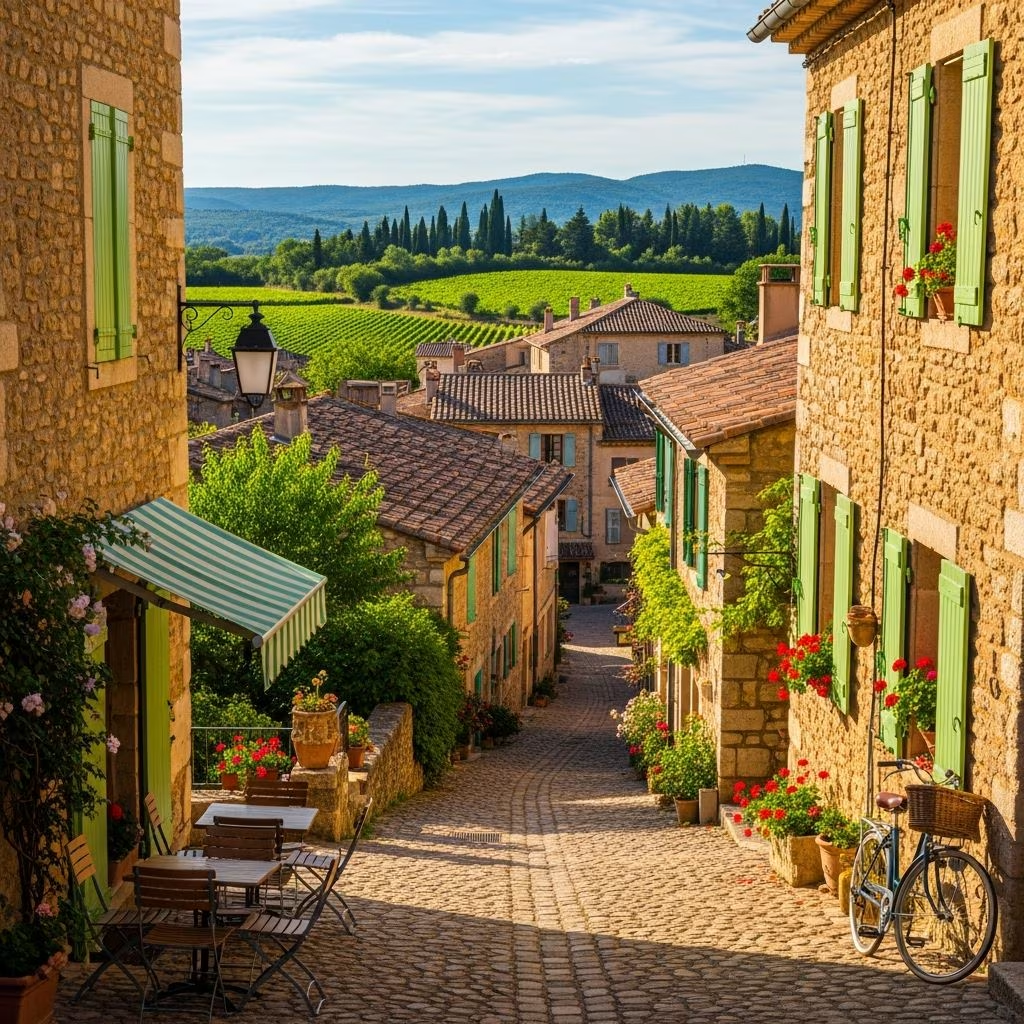
Beyond mountains and coasts, French locals appreciate smaller inland communities rich in historical significance. These villages preserve medieval architecture, Renaissance heritage, and local traditions that have shaped French regional identity for centuries.
Communities designated as officially beautiful villages (“Plus Beaux Villages de France”) frequently attract French visitors who wish to explore their nation’s architectural heritage. These designations recognize municipalities that have maintained historical character while providing visitor infrastructure. However, many equally charming locations remain less formally recognized, offering similar historical experiences with fewer international tourists.
The preservation efforts in these villages often reflect local pride and community commitment. Residents participate in maintaining architecture, organizing local festivals, and ensuring that regional traditions remain visible in daily life. This active preservation creates an atmosphere quite different from villages managed primarily for tourist revenue.
Larger regional cities serve as important destinations for French travelers seeking cultural engagement without the intensity of Paris. These urban centers maintain distinctive regional characteristics, specialized museums, and culinary traditions tied to local history.
Key attributes of regionally significant centers:
These destinations appeal to French travelers seeking deeper cultural immersion than casual tourism typically provides. Universities, research institutions, and cultural organizations create intellectual environments where visitors encounter contemporary French life alongside historical heritage.
France contains remarkable natural formations that captivate locals seeking unusual landscapes and geological education. Caves with prehistoric paintings, dramatic rock formations shaped by erosion, and unique wetland ecosystems demonstrate the country’s natural diversity.
These natural attractions represent different categories of appeal. Some offer adventure and physical exploration, while others provide serene environments for contemplation and nature observation. Local preferences vary based on individual interests, with some communities becoming known among residents for specific recreational or educational opportunities.
The experience of visiting natural wonders shifts dramatically depending on when and how visitors explore them. Guided tours provide historical and geological context, while independent exploration allows for personal discovery. Local residents often have preferred routes, seasonal timing recommendations, and knowledge of less-crowded access points developed through repeated visits.
While famous wine regions attract international visitors, French residents frequently explore smaller wine-producing areas offering equally fine wines with less tourism infrastructure. These regions maintain intimate connections between local communities and winemaking heritage.
Vineyards in lesser-known regions often operate as family enterprises with deep generational roots. Winemakers in these areas frequently welcome visitors directly to cellars and vineyards, providing personalized experiences impossible in larger commercial operations. The wines produced often reflect unique terroir and production methods specific to regional traditions.
Local residents appreciate these wine regions for opportunities to taste new vintages, learn about different production techniques, and support regional economies through direct purchases. The social aspect of visiting vineyards—meeting producers and other enthusiasts—creates community connections that extend beyond wine appreciation.
France possesses natural thermal springs that have attracted visitors for centuries. Towns built around these springs maintain spa traditions and wellness-focused amenities that appeal particularly to French residents seeking health and relaxation benefits.
These thermal destinations often combine historical establishments with modern wellness facilities, creating environments that blend tradition with contemporary comfort. Local residents utilize these facilities seasonally or regularly, integrating thermal treatments into broader health practices and lifestyle routines.
The ambiance in thermal towns differs markedly from beach or mountain destinations. Visitors typically move at slower paces, activities center on health and relaxation, and accommodations emphasize comfort and therapeutic environments. This atmosphere creates fundamentally different travel experiences compared to activity-focused or sightseeing-oriented destinations.
Seasonal considerations for regional travel:
Successful visits to these destinations often require understanding local rhythms and patterns. Market days, regular restaurant hours, and seasonal closures affect visitor experiences. Advance research and flexibility enhance the likelihood of meaningful encounters with local culture and authentic experiences.
Reaching local favorite destinations often requires more planning than accessing major tourist sites. Regional train networks, local buses, and car rentals provide options, each with distinct advantages and limitations. French residents often possess detailed knowledge of transportation routes developed through repeated travel.
Many smaller destinations benefit from improved regional transportation infrastructure in recent years. However, public transit frequency often decreases during off-season periods, requiring visitors to adjust expectations and schedules accordingly. Understanding transportation options and timing prevents disappointment and enhances trip planning.
Accommodations in local favorite destinations typically differ from international hotel chains found in major cities. Family-run hotels, chambres d’hôtes (bed and breakfasts), and rural properties characterize lodging options in regional destinations.
Dining experiences reflect local culinary traditions and regional ingredient availability. Restaurants in these communities often feature menus that change seasonally and emphasize local suppliers. French residents frequently seek these dining experiences specifically to taste regional specialties prepared according to traditional methods.
The combination of authentic accommodations and regional cuisine creates immersive cultural experiences. These elements, functioning as integrated parts of regional life, provide visitors with genuine exposure to how French people live in non-metropolitan settings.
Local favorites typically feature preserved authentic character, community-centered activities, and limited commercialization compared to major tourist sites. These destinations serve primarily the needs and preferences of regional residents rather than international visitors.
While English proficiency varies in smaller communities, many local favorite destinations have sufficient English-speaking staff in hotels and restaurants to accommodate international visitors. However, learning basic French phrases enhances interactions and demonstrates cultural respect.
Regional variety ensures options for different travel styles. Mountain enthusiasts, cultural explorers, beach lovers, and food-focused travelers can find appropriate destinations matching their interests and activity levels.
Booking accommodations several weeks ahead is advisable, particularly during peak seasons and around local festivals or events. Off-season travel allows for more flexible, spontaneous decision-making.
Costs generally remain lower than major tourist destinations, with accommodations, dining, and activities priced according to local rather than international tourism markets. Specific costs vary considerably by region and season.
