


 Food & Culture
Food & Culture
Where to Eat in Turks and Caicos: Authentic Local Food Guide
Explore authentic local dining experiences in Turks and Caicos, from beachside shacks to farm-to-table restaurants showcasing Caribbean ingredients and traditional preparation methods.
 Food & Culture
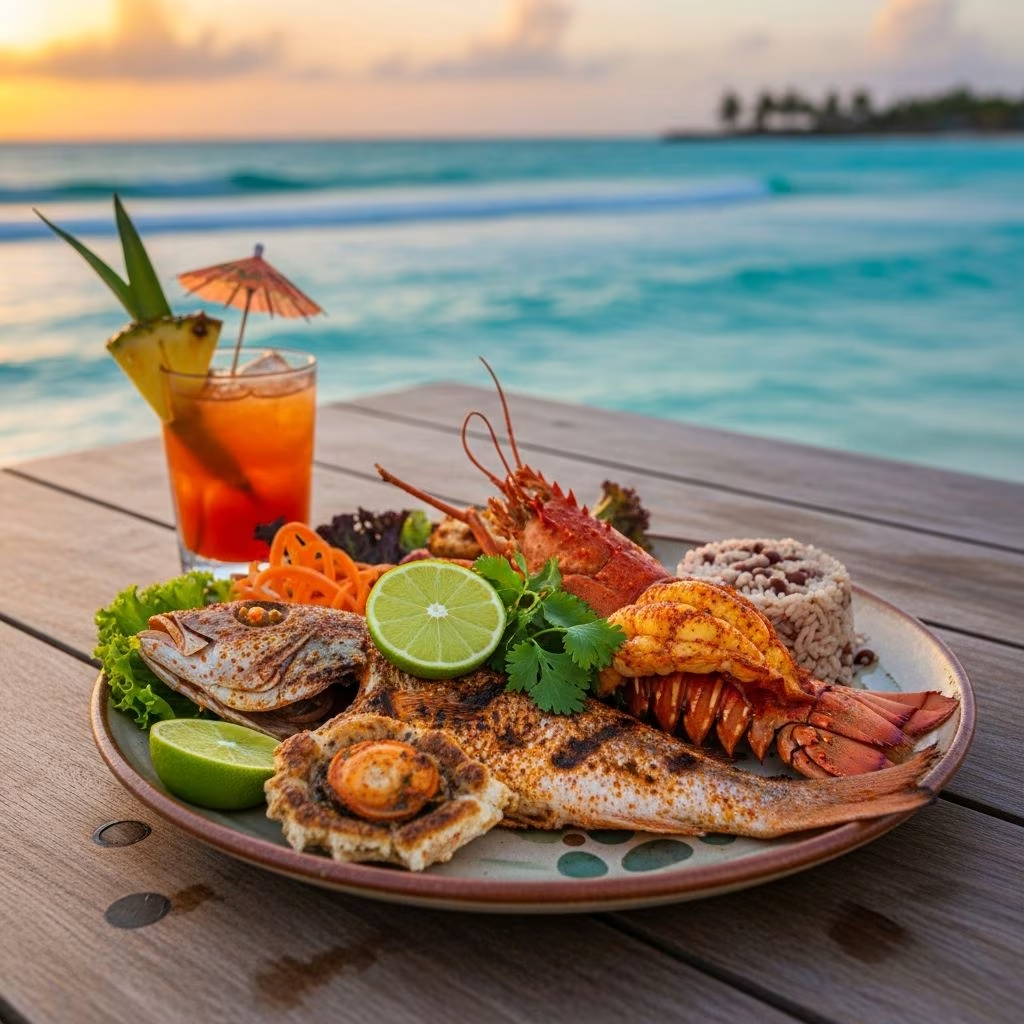
Turks and Caicos has earned its reputation as a premier Caribbean destination not only for its crystalline waters and pristine beaches but also for its vibrant food culture. While luxury resorts offer refined dining experiences, the true essence of island gastronomy emerges from humble beachside establishments, family-run eateries, and emerging chef-driven venues that celebrate local ingredients and time-honored cooking techniques. Understanding where and how locals dine reveals a culinary landscape shaped by generations of Caribbean tradition, oceanic abundance, and cultural heritage.
The Heart of Island Cuisine: Understanding Local Food Culture
The food traditions of Turks and Caicos reflect centuries of island living, maritime heritage, and cultural exchange. The archipelago’s cuisine is fundamentally tied to what the ocean provides and what grows in local soil. Unlike mainstream tourism-focused establishments, authentic local dining prioritizes simplicity, freshness, and the celebration of ingredient quality over elaborate presentation. This philosophy extends from street-level vendors to resourceful chefs who view cooking as a way to tell the story of their homeland.
The eating customs of Turks and Caicos residents emphasize community, relaxation, and connection to place. Dining typically occurs in informal settings where barefoot patrons sit on picnic tables, dine with toes in sand, and embrace an unhurried pace of consumption. This casualness is not a limitation but rather an intentional rejection of pretension, allowing diners to focus on flavor, freshness, and fellowship.
Navigating the Seafood-Centric Menu Landscape
The ocean dominates Turks and Caicos cuisine, providing the foundation for most traditional dishes. Visitors seeking authentic experiences should familiarize themselves with the primary proteins and preparations that define local eating habits.
Primary Seafood Staples
- Conch: This gastropod mollusk appears in multiple preparations including raw salads with citrus marinades, cracked and fried with minimal breading, and curried preparations infused with local spices. The traditional method involves extracting conch meat by hand with a machete, a spectacle that has become part of the authentic dining experience.
- Spiny Lobster: Locally caught specimens are grilled whole, showcasing the natural sweetness of the meat without requiring heavy sauces or modifications.
- Fresh Fish Varieties: Snapper, grouper, and other daily catches are prepared using methods including blackening, frying, Creole-style cooking, and coconut-based preparations. The preparation method varies by establishment and available inventory.
- Soft-Shell Crab: This delicate protein appears in curried dishes and feature preparations that highlight its tender texture.
Each establishment develops its own signature approach to these foundational ingredients. The variation in preparation styles reflects personal culinary philosophy, available resources, and family traditions passed down through generations.
Discovering Beachside Shacks and Casual Waterfront Venues
The most authentic dining experiences in Turks and Caicos occur at establishments intentionally designed for informality and waterfront connection. These venues represent the heart of local food culture and offer unfiltered glimpses into how residents actually eat.
Da Conch Shack exemplifies this category through its deliberate embrace of casual authenticity. Located in Blue Hills on Providenciales, the waterfront eatery features conch shells lining the walkway and picnic table seating where patrons observe staff cracking conch meat with machetes. The menu highlights conch salad, cracked conch, and jerked chicken wings prepared without unnecessary embellishment. A signature local pairing combines conch fritters with Johnny fries—French-fried potatoes seasoned with local salt and black bean-pepper sauce—creating a balanced dish that demonstrates how simple components achieve flavor complexity. Evening visits, particularly Wednesday and Saturday when live music performances occur, attract a lively local crowd.
Ricky’s Flamingo Cafe serves as another exemplary beachside destination. Positioned near Grace Bay with an intentional lack of conventional signage—requiring visitors to locate Ocean Club Resort and navigate a dirt road—the wood-frame structure faces the water and maintains a barefoot atmosphere where informal behavior is encouraged rather than discouraged. The kitchen plates grouper in seven distinct preparations, allowing diners to experience the versatility of this local staple. The venue actively welcomes families despite the casual environment.
Omar’s Beach Hut has rapidly gained popularity among both tourists and locals seeking diverse culinary options in a beachfront setting. The establishment features picnic tables positioned in water during low tide, creating a unique dining circumstance that merges meal consumption with environmental immersion. The menu encompasses tacos, jerk chicken, pastas, fish preparations, and burgers, indicating how contemporary local venues blend Caribbean tradition with international influences. The pricing structure remains accessible to residents while offering excellent value to visitors.
Farm-to-Table Innovation and Contemporary Local Cuisine
Beyond traditional beachside establishments, a growing movement of locally-focused chefs emphasizes agricultural connections and seasonal ingredient sourcing. These venues represent the evolution of Caribbean cuisine while maintaining commitment to local production and authentic flavors.
Contemporary practitioners like Chef SJ demonstrate how farm-to-table principles enhance rather than complicate traditional island cooking. Chef SJ’s seasonal creations showcase local produce diversity through preparations such as roasted pumpkin and callaloo soup enriched with coconut cream, combining sweetness and earthiness in balanced proportions. Grilled snapper preparations paired with seasonal vegetable medleys and herb-infused butters highlight how professional technique elevates local ingredients without obscuring their essential character. Plantain gnocchi infused with Caribbean spices represents innovation rooted in traditional starches and flavor profiles.
These farm-to-table venues typically facilitate direct producer connections by encouraging visitor participation in local farm and market exploration. This engagement transforms dining from consumption into education, allowing visitors to understand ingredient sourcing and agricultural practices that sustain island food traditions.
Chef-Driven Establishments Blending Local and International Perspectives
Certain restaurants led by accomplished chefs demonstrate how professional training and international experience can enhance local cuisine without diminishing authenticity. These venues occupy an intermediate position between casual beachside shacks and resort fine dining.
Crackpot Kitchen, helmed by Chef Nik Skippings, exemplifies this category through deliberate ingredient selection and technique application. The chef explicitly incorporates Turks and Caicos and broader Caribbean flavors while utilizing local ingredients whenever availability permits. Specific signature preparations include spring rolls featuring lemon shark from East Harbour in South Caicos, jerk game hen with roast cornbread stuffing named “Drunken Bird,” and a Caicos Reef Curry incorporating local seared snapper, conch, and soft-shell crab. The kitchen experiments with local potato varieties like boniatos—a naturally sweet tuber grown in North Caicos—blending them with conventional white potatoes to create smashed potato preparations that honor tradition while introducing subtle textural and flavor variations.
These establishments operate within the tourism infrastructure while resisting pressure toward international homogenization. The chefs maintain commitment to featuring preparations that express place and heritage, using formal training to enhance rather than replace traditional approaches.
Understanding Traditional Protein Preparations and Flavor Profiles
Authentic Turks and Caicos cuisine relies on specific preparation techniques and flavor combinations developed through cultural tradition and resource availability. Understanding these approaches deepens appreciation for local dining experiences.
Cracked Conch as Cultural Foundation
Cracked conch represents perhaps the most emblematic local preparation, embodying simplicity and respect for ingredient quality. The dish consists of conch meat lightly battered and fried, traditionally served with French fries, alongside condiments including ketchup, hot sauce, and mayonnaise, and accompanied by fresh lemon. Consumption typically occurs near water, allowing sensory integration of marine environment and culinary experience. The pairing with Turk’s Head Brewery ale—a locally produced beer marketed as ultra-refreshing—represents a complete local dining expression.
Jerk Preparations and Caribbean Spicing
Jerk cooking—a technique involving marination in spice-forward preparations followed by slow cooking—appears throughout local menus in variations including jerk chicken wings, jerk game hen, and jerk fish preparations. This technique reflects both African and Caribbean culinary heritage, emphasizing bold spice profiles and slow flavor development.
Curry-Based Compositions
Curry preparations appear frequently, incorporating local proteins into sauce-based dishes that distribute complex spice profiles. These dishes typically feature turmeric, allspice, and other spices providing warmth and depth. Conch curry, fish curry, and lobster curry variations indicate how chefs adapt this technique to available proteins.
Beverage Traditions and Complementary Libations
Authentic Turks and Caicos dining experiences include beverage selections reflecting local production and cultural preferences. Understanding traditional drink choices enhances overall meal authenticity.
Turk’s Head Brewery produces the islands’ locally brewed beer, marketed for its refreshing qualities and suitability for tropical consumption. The brewery represents local entrepreneurship and provides an alternative to imported beer options. Rum-based cocktails occupy central positions in island social traditions, with establishments often featuring signature creations reflecting local character and creativity. These beverages typically emphasize tropical fruit juices, coconut preparations, and rum expressions suited to warm-climate consumption.
Navigation Strategies for Authentic Local Dining
Discovering genuine local dining requires understanding how these establishments position themselves within the broader tourism and hospitality landscape. Several practical strategies enhance the likelihood of meaningful culinary experiences.
- Embrace Informality: Authentic venues often lack prominent signage, conventional marketing, or polished presentation. Willingness to navigate dirt roads, sit on picnic tables, and adapt to casual environments indicates openness to genuine experiences.
- Visit During Off-Peak Tourism Times: Establishments frequented primarily by locals rather than cruise ship passengers maintain stronger connections to authentic preparation methods and community dining practices.
- Engage with Staff: Restaurant employees possess detailed knowledge regarding ingredient sourcing, preparation techniques, and cultural context. Direct conversation often yields recommendations aligned with authentic interests.
- Participate in Market Exploration: Local farmers markets and farm visits provide context regarding ingredient availability, seasonal variations, and agricultural practices supporting island cuisine.
- Accept Menu Limitations: Authentic venues often feature limited menus reflecting daily catch availability and seasonal ingredient access rather than comprehensive offerings. This limitation ensures freshness and connection to local production realities.
The Intersection of Tourism and Authenticity
Turks and Caicos represents a destination where tourism infrastructure coexists alongside genuine local food traditions. This coexistence creates opportunities for meaningful engagement provided visitors intentionally seek establishments and practices reflecting resident preferences rather than tourist expectations.
The proliferation of luxury resorts and fine dining establishments should not discourage exploration of local venues. Rather, the contrast between international fine dining and casual local establishments demonstrates how multiple food cultures can occupy the same geographic space. Visitors seeking authentic experiences benefit from understanding that genuine local food is not a hidden secret but rather an openly available alternative to mainstream tourism dining.
The growth of chef-driven restaurants blending local ingredients with professional technique indicates that authenticity and contemporary culinary practice need not conflict. These establishments demonstrate how respectful engagement with local traditions, ingredient quality, and cultural heritage can yield dining experiences that satisfy both gastronomic sophistication and authentic cultural connection.
Practical Dining Recommendations Summary
| Establishment Type | Characteristic Features | Ideal For |
|---|---|---|
| Beachside Shacks | Minimal signage, picnic tables, barefoot ambience, observable food preparation | Casual immersion, family groups, waterfront connection |
| Farm-to-Table Venues | Seasonal menus, local ingredient emphasis, chef-driven presentations | Ingredient education, contemporary technique appreciation |
| Chef-Driven Restaurants | Professional technique, local ingredients, cultural storytelling | Refined dining within local context, technique sophistication |
| Market and Farm Experiences | Direct producer engagement, seasonal availability observation, ingredient sourcing understanding | Contextual learning, pre-meal preparation planning |
Conclusion: Approaching Food as Cultural Gateway
Authentic dining in Turks and Caicos transcends meal consumption, functioning instead as a primary mechanism for cultural understanding and place connection. The archipelago’s food traditions reflect maritime heritage, agricultural limitations, cultural exchange, and the collective creativity of residents navigating island living. Whether consuming cracked conch at a waterfront shack, experiencing farm-to-table innovation at a contemporary venue, or engaging with chef-driven establishments celebrating local ingredients, visitors access genuine expressions of Turks and Caicos identity through deliberate attention to authenticity, ingredient sourcing, and cultural context. This engagement requires willingness to move beyond resort boundaries, embrace informality, and recognize that authentic food cultures exist alongside tourism infrastructure, available to those seeking connection beyond conventional tourist experiences.
References
- Indulge in Fresh Seafood Delicacies — byFood. 2025. https://www.byfood.com/turks-and-caicos-islands-food-experiences
- The Magic of Local Produce: A Guide to Farm-to-Table Dining in Turks and Caicos — Chef SJ’s Turks and Caicos. 2025. https://www.chefsjturksandcaicos.com/blog/farm-to-table-dining-in-turks-and-caicos-with-chef-sj
- Find the Best Local Food in Turks and Caicos — Great Family Vacations. 2025. https://greatfamilyvacations.com/find-the-best-local-food-in-turks-and-caicos/
- The Working Guide of the Best Places to Eat in Turks and Caicos — The Tidalist. 2025. https://www.thetidalist.com/the-wedge/the-working-guide-of-the-best-places-to-eat-in-turks-and-caicos
- The Ultimate Turks and Caicos Food Guide — Celebrity Cruises. 2026. https://www.celebritycruises.com/blog/turks-and-caicos-food
- 11 Delicious Turks and Caicos Restaurants That You Must Try — The Daydream Diaries. 2026. https://thedaydreamdiaries.com/turks-and-caicos-restaurants/
On This Page
The Heart of Island Cuisine: Understanding Local Food Culture Navigating the Seafood-Centric Menu Landscape Discovering Beachside Shacks and Casual Waterfront Venues Farm-to-Table Innovation and Contemporary Local Cuisine Chef-Driven Establishments Blending Local and International Perspectives Understanding Traditional Protein Preparations and Flavor Profiles Beverage Traditions and Complementary Libations Navigation Strategies for Authentic Local Dining The Intersection of Tourism and Authenticity Practical Dining Recommendations Summary Conclusion: Approaching Food as Cultural Gateway← Previous
Weekend in Bonn and Cologne: Top Things to See and Do
Next →
Montreal Live Music Guide: Jazz, Indie, Festivals and Venues
Related Reading
More in Food & Culture
Food & Culture Food & Culture
 Food & Culture
Best Places to Eat in Rome: Neighborhood Dining Guide
 Food & Culture
 Food & Culture