 Stays
StaysStays
Where to Stay in Cuba: Casas, Hotels, Resorts and Hostels
Explore Cuba's diverse accommodations: casas particulares for cultural immersion, state hotels, all-inclusives, hostels, and campismos. Tips on booking, costs, and what to expect for every traveler.
 Stays
StaysCuba offers a unique range of lodging options that blend affordability, authenticity, and luxury, catering to backpackers, families, and luxury seekers alike. From private family-run homes to sprawling beach resorts, understanding these choices ensures a seamless trip to this Caribbean gem.
Private Family Homes: The Heart of Cuban Hospitality
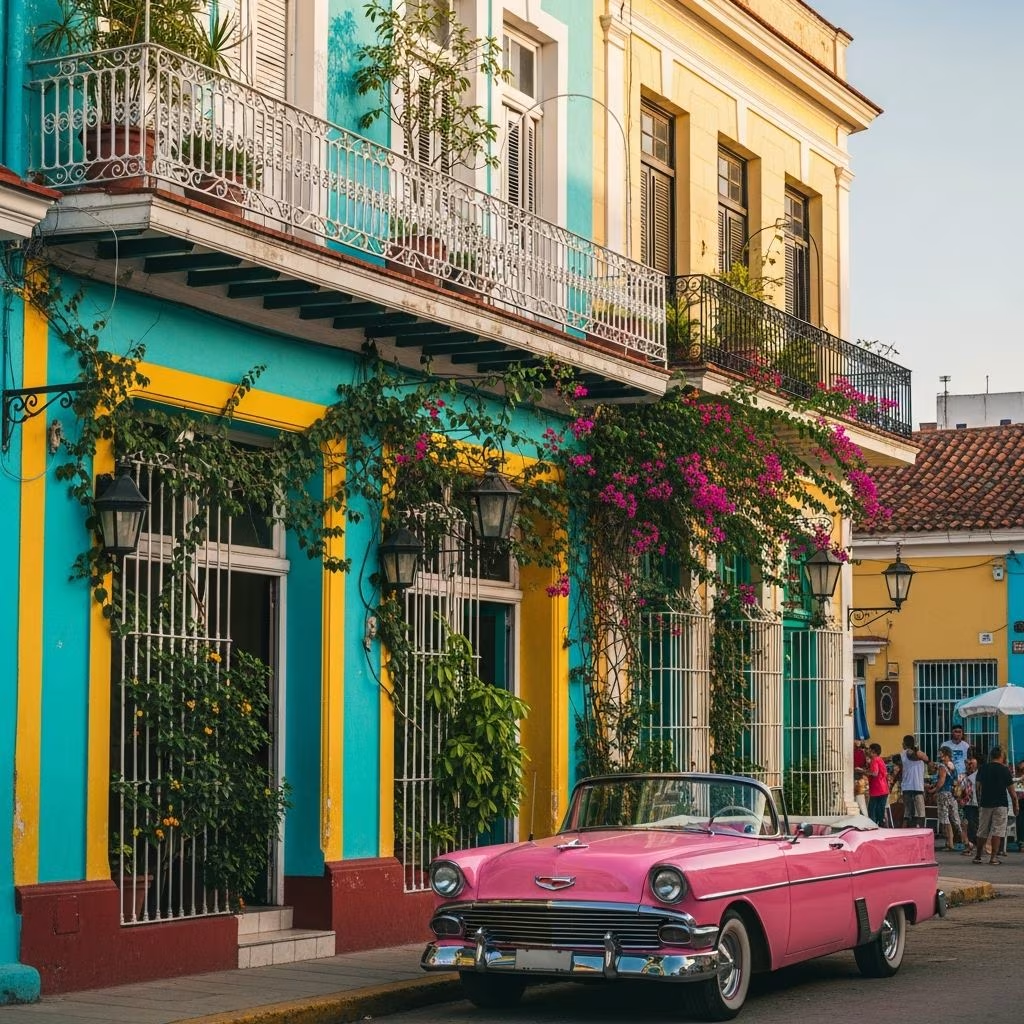
Private family homes, known locally as casas particulares, represent the most popular and immersive way to experience Cuba. These are independently operated residences where hosts rent out rooms or entire apartments to visitors, providing a window into everyday Cuban life.
Staying in a casa particular typically means a clean, secure room with essentials like air-conditioning, private bathrooms, hot showers, and often extras such as refrigerators, fans, TVs, and safes. Many hosts prepare home-cooked meals—breakfast for around $5 USD equivalent and dinners for $10—using fresh, local ingredients that far surpass hotel fare.
These homes are scattered across cities like Havana, beach areas, and rural spots, often in residential neighborhoods. Guests might enjoy private terraces, rooftop patios with city views, or even kitchenettes for self-catering. Families usually manage 2-4 rooms, fostering personal interactions; some larger ones accommodate up to 10.
Prices start low: expect $25-35 USD per night for a double room, including breakfast in some cases. This option suits budget travelers seeking authenticity over amenities.
- Pros: Cultural exchange, home-cooked meals, affordability, local insights.
- Cons: Variable standards, limited space in family settings.
- Best for: Solo travelers, couples, small groups wanting immersion.
State-Run and International Hotels: Reliability and Comfort
Cuba’s hotels are predominantly state-owned, with a growing presence of international chains like Kempinski and Iberostar. They range from basic city options to upscale properties in key destinations.
In major hubs like Havana and Varadero, you’ll find mid-range hotels with standard rooms featuring AC, Wi-Fi (spotty at times), and on-site dining. Luxury boutique hotels, often private, charge $150-200+ USD nightly for superior service, pools, and spas.
Booking ahead is crucial due to limited availability, especially in high season. Americans note restrictions on certain properties, but many quality options remain accessible.
| Hotel Type | Average Price/Night (USD) | Key Features | Locations |
|---|---|---|---|
| Budget City Hotels | 30-60 | Basic AC, shared facilities | Havana, Santiago |
| Mid-Range | 80-150 | Pool, meals included | Varadero, Trinidad |
| Luxury/Chain | 200+ | Spa, beachfront, all-inclusive | Cayo Coco, Holguín |
All-Inclusive Beach Resorts: Relaxation Redefined
For sun-soaked escapes, Cuba’s all-inclusive resorts in Varadero, Cayo Santa Maria, Cayo Coco, and Holguín dominate. These packages bundle flights, meals, drinks, and transfers, ideal for families or couples.
Expect vast properties with multiple pools, kids’ clubs, water sports, and nightly entertainment. Adults-only sections offer tranquility, while family-friendly ones provide activities. Brands like Iberostar ensure consistent quality.
Rates vary by season and inclusions, but they’re prepaid, minimizing on-ground hassles. Choose based on vibe: lively party scenes or serene retreats.
Hostels and Backpacker Havens: Social and Cheap Stays
Hostels are emerging in Cuba, especially Havana, offering dorms from $10/night. Options like Hostal Habana Nilda (8-bed mixed, $10.80), CubaBackpackers 1 (6-bed, $9.70), and Hostel Casa de Ania provide communal vibes, shared kitchens, and social events.
Perfect for young travelers, they blend hostel energy with Cuban charm—think rooftop parties and local tips. Private rooms are available for a bit more.
Campismos: Rustic Adventures for the Brave
Campismos are Cuban vacation spots featuring concrete cabins in rural or beach settings. Over 80 sites exist, with ‘internacional’ ones open to foreigners offering AC, hot water, and linens for $20-60 USD per bed/night.
Book via provincial offices or CampismoPopular.cu. Bunk beds and basic facilities appeal to nature lovers seeking offbeat experiences.
Booking Strategies and Practical Tips
Pre-booking is essential, particularly for first nights and peak seasons (July-August, December-April). Use Airbnb, Cuban sites, or tour operators for casas; hotels via official chains or packages.
Cash reigns—USD or EUR, as cards are unreliable. Expect dual currency (CUP/CUC remnants), but casas accept cards sparingly. Confirm Wi-Fi, parking, and meals ahead.
For groups, casas split across ‘base houses’ work well, with 1-4 per home.
- Book casas directly via phone/WhatsApp for best rates.
- Inspect rooms upon arrival; switch if needed.
- Negotiate meals; haggle gently.
- Carry adapters (110/220V mix).
Regional Spotlights: Where to Base Your Stay
Havana: Vibrant Urban Homes
Havana’s Miramar and Old Havana brim with casas offering rooftop views and proximity to nightlife. Hotels cluster in Vedado.
Varadero: Beachfront Bliss
All-inclusives rule, but casas provide cheaper beach access.
Trinidad and Viñales: Rural Charms
Casas in colonial Trinidad or Viñales valleys immerse in history and nature.
Eastern Cuba: Off-the-Beaten-Path
Santiago and Baracoa favor authentic guesthouses.
Costs Breakdown: Budgeting Your Nights
| Option | Low Season (USD) | High Season (USD) | Inclusions |
|---|---|---|---|
| Casas Particulares | 20-30 | 30-50 | Room only; +meals |
| Hostels (Dorm) | 9-12 | 12-15 | Shared facilities |
| Hotels (Mid) | 50-100 | 100-150 | Breakfast |
| All-Inclusive | 150-250 pp | 250+ pp | All meals/drinks |
| Campismos | 20-40 | 40-60 | Basic cabin |
Prices fluctuate; add 10-20% for solos or peaks.
FAQs
Are casas particulares safe?
Yes, government inspections ensure cleanliness and security, with hot water mandatory.
Can US citizens stay anywhere?
Most options are fine; avoid prohibited hotels. Casas are unrestricted.
What’s the best for families?
Casas with multiple rooms or all-inclusives with kids’ programs.
How to book without internet?
Phone or arrive early; first night pre-booked advised.
Wi-Fi availability?
Spotty in casas/hotels; buy ETECSA cards.
Choosing Your Perfect Stay
Match lodging to your style: casas for culture, resorts for ease, hostels for socializing. Cuba’s options reward planning, delivering memories beyond four walls.
References
- Where to Stay in Cuba: Homestays, Hostels & Hotels — World Nomads. 2023-05-15. https://www.worldnomads.com/explore/caribbean/cuba/finding-and-booking-accommodation-in-cuba
- Hotels in Cuba: A Complete Guide for Americans — Cayo Street Travel. 2024-02-10. https://cayostravel.com/travel/cuba/booking-perfect-hotel-in-cuba-a-guide-for-u-s-travelers/
- Accommodation in Cuba — Cuban Adventures Tours. 2023-11-20. https://www.cubagrouptour.com/tour/details/accommodation
- A Guide To Cuba’s Casas Particulares — Intrepid Travel. 2024-01-05. https://www.intrepidtravel.com/adventures/cuba-casa-particular/
- A First Timer’s Guide to Cuba — Sue Where Why What. 2018-06-12. https://www.suewherewhywhat.com/a-first-timers-guide-to-cuba-2018/
- Cuban Accommodations — Rick Steves’ Travel Blog. 2023-08-22. https://blog.ricksteves.com/blog/cuban-accommodations/
- Accommodations in Cuba: All You Need to Know — Lonely Planet. 2024-03-18. https://www.lonelyplanet.com/articles/accommodation-in-cuba
On This Page
Private Family Homes: The Heart of Cuban Hospitality State-Run and International Hotels: Reliability and Comfort All-Inclusive Beach Resorts: Relaxation Redefined Hostels and Backpacker Havens: Social and Cheap Stays Campismos: Rustic Adventures for the Brave Booking Strategies and Practical Tips Regional Spotlights: Where to Base Your Stay Costs Breakdown: Budgeting Your Nights FAQs Choosing Your Perfect Stay← Previous
Hawaiʻi Volcanoes National Park Guide: Kīlauea, Mauna Loa & Top Things to Do
Next →
Indian Chai Guide: History, Recipe, and Regional Variations
Related Reading