
 Stays
StaysStays
Where to Stay in Kyoto: Best Neighborhoods and Hotels
Comprehensive guide to selecting accommodations in Kyoto across diverse districts, from luxury riverfront properties to traditional ryokans and budget-friendly options.
 Stays
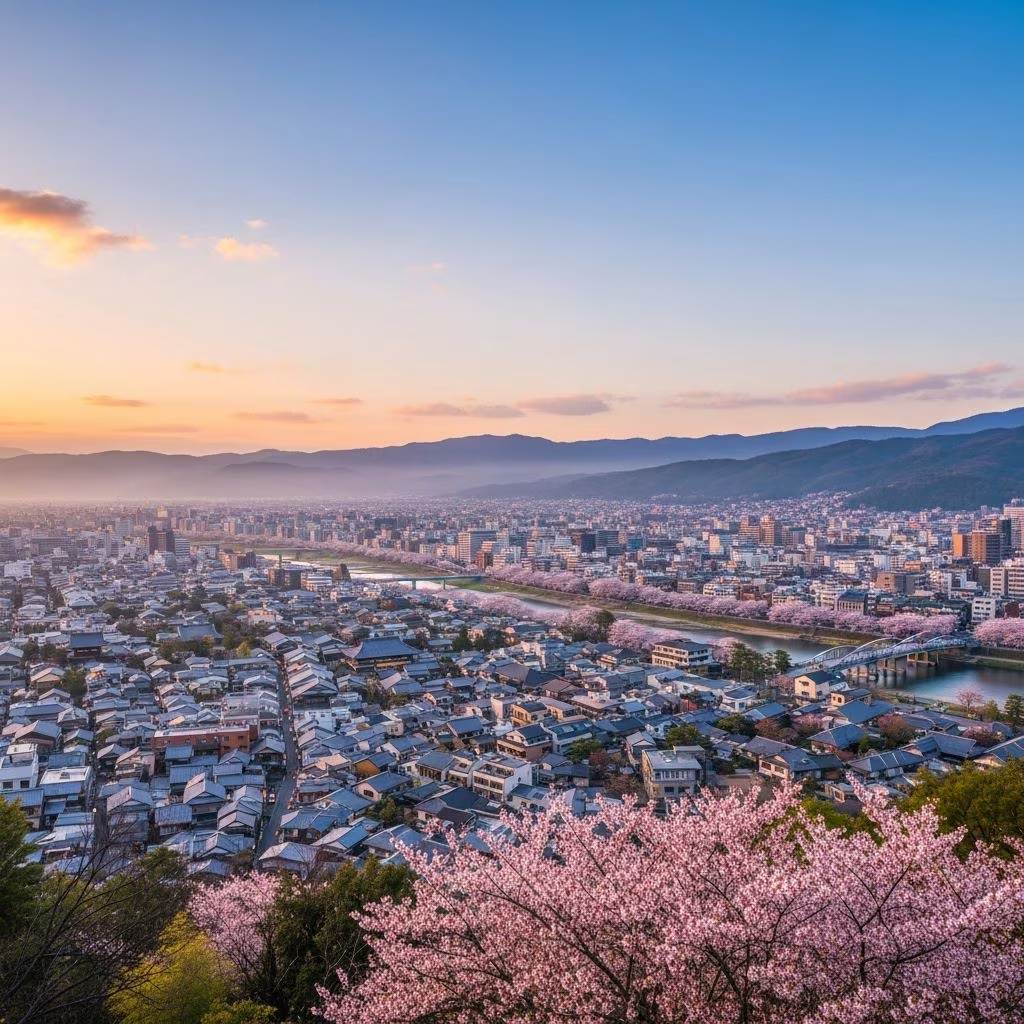
StaysKyoto, Japan’s cultural heart, presents travelers with a compelling array of neighborhood options, each offering distinct atmospheric qualities and access to specific attractions. Selecting the right accommodation base significantly influences the overall travel experience, as different districts cater to varying priorities—whether cultural immersion, culinary exploration, natural scenery, or convenient transportation access. This guide examines lodging choices across Kyoto’s most compelling neighborhoods, providing insight into what each area offers and which properties align with different travel objectives and budgets.
Understanding Kyoto’s Neighborhood Landscape
Before evaluating specific properties, understanding Kyoto’s geographic organization proves essential. The city naturally divides into several distinct zones, each characterized by particular historical significance, commercial activity levels, cultural institutions, and hospitality infrastructure. Downtown districts pulse with commercial vibrancy and restaurant density, while peripheral neighborhoods offer tranquility and proximity to temples, gardens, and natural attractions. The choice between these areas fundamentally shapes daily experiences, from morning walks to evening dining options.
Downtown’s Bustling Commercial Hub
Downtown Kyoto functions as the city’s primary commercial and dining nucleus. This district concentrates retail shopping, acclaimed restaurants, traditional markets, and contemporary entertainment venues within walkable proximity. Visitors prioritizing convenient restaurant access, shopping variety, and urban energy find downtown’s location advantageous. The neighborhood supports quick metro connections to surrounding areas while maintaining walkable access to numerous attractions within its immediate vicinity.
Ultra-Luxury Downtown Properties
The Ritz-Carlton Kyoto represents downtown’s premier luxury offering, recognized for exceptional riverfront positioning and refined service standards. The property combines contemporary luxury infrastructure with carefully considered Japanese design elements, creating an elevated hospitality experience. Guests frequently cite the property’s ability to provide sophisticated comfort while maintaining cultural authenticity as a distinguishing characteristic. The riverside location provides both aesthetic appeal and convenient access to downtown activities.
The Kyoto Hotel Okura delivers luxury accommodations with particular emphasis on value proposition within the premium segment. This established property maintains consistent service standards and comprehensive amenities that justify its position among downtown’s top-tier offerings for travelers balancing luxury expectations with cost considerations.
Mid-Range and Contemporary Downtown Options
Solaria Nishitetsu Hotel Kyoto Premier appeals to travelers seeking contemporary design sensibilities combined with reasonable price points. The property emphasizes modern aesthetics while maintaining riverfront charm that distinguishes it from standard mid-range establishments. Its positioning attracts design-conscious travelers who value contemporary architecture and amenities over traditional aesthetic approaches.
Cross Hotel Kyoto delivers stylish accommodations that resonate with travelers preferring contemporary design over traditional Japanese aesthetics. The property’s approach attracts younger demographics and design enthusiasts seeking properties that feel contemporary while remaining situated in Japan’s most culturally significant city.
Budget-Conscious Downtown Accommodations
Hotel Mystays Kyoto Shijo represents the downtown budget category’s best value, offering reliable accommodations with direct metro connectivity. Budget travelers prioritizing convenient transportation access and acceptable baseline comfort find this property delivers appropriate value without excessive cost. The metro proximity proves particularly valuable for travelers planning daily excursions to surrounding neighborhoods and attractions.
Central Kyoto’s Refined Quietude
Central Kyoto, positioned near the Imperial Palace, offers travelers seeking quieter experiences an appealing alternative to downtown’s commercial intensity. This district maintains significant cultural importance while presenting fewer retail establishments and restaurants, creating an atmosphere favoring contemplation and cultural exploration. The neighborhood’s relative tranquility attracts travelers prioritizing atmospheric experience over commercial convenience.
Luxury Ryokan Experiences
Nazuna Kyoto Gosho exemplifies the luxury ryokan category, offering travelers authentic traditional Japanese hospitality within premium service frameworks. The property emphasizes authentic ryokan experiences—including kaiseki dinners, onsen bathing, and traditional room configurations—while maintaining contemporary comfort standards. This approach appeals to travelers seeking genuine cultural immersion without sacrificing modern amenities.
Contemporary Design-Forward Properties
Ace Hotel Kyoto brings contemporary design philosophy to Central Kyoto’s traditionally quiet neighborhood. The property attracts travelers valuing trendy design aesthetics and modern sensibilities while remaining situated in culturally significant locations. This positioning allows guests to access Central Kyoto’s cultural attractions while enjoying contemporary hospitality aesthetics.
Accessible Ryokan Alternatives
Ryokan Tori delivers traditional ryokan experiences at mid-range price points, making authentic Japanese hospitality accessible to budget-conscious travelers. The property maintains traditional aesthetic elements and ryokan hospitality conventions while avoiding the premium pricing of luxury ryokan establishments.
Southern Higashiyama’s Cultural Richness
Southern Higashiyama represents Kyoto’s most concentrated area of temples, traditional machiya houses, and atmospheric geisha districts. This neighborhood attracts travelers prioritizing cultural and historical immersion, with daily experiences centered on temple visits, atmospheric district exploration, and traditional dining. The district’s positioning makes it ideal for travelers seeking deep cultural engagement rather than shopping or contemporary entertainment.
Prestige Luxury Accommodations
Southern Higashiyama hosts several of Kyoto’s most celebrated luxury properties. The Four Seasons Kyoto emphasizes serene garden environments, with landscaping and spatial design creating tranquil retreats within the culturally vibrant neighborhood. Park Hyatt Kyoto delivers hillside positioning with iconic Kyoto views, allowing guests to experience the city from elevated vantage points while accessing neighborhood attractions. Six Senses Kyoto represents the emerging category of sustainable luxury, combining premium accommodations with environmental consciousness and cultural responsibility. Banyan Tree Higashiyama Kyoto offers hillside onsen experiences, integrating traditional bathing culture with luxury resort infrastructure.
Mid-Range Heritage Experiences
Hotel The Celestine Kyoto Gion delivers mid-range onsen accommodations positioned within the atmospheric Gion district. The property allows guests to experience traditional bathing culture and geisha district atmospheres at accessible price points. Kyoto Granbell Hotel combines hip contemporary design with central positioning, appealing to design-conscious travelers seeking modern aesthetics within culturally significant neighborhoods.
Northern Higashiyama’s Peaceful Temples
Northern Higashiyama, anchored by the Philosopher’s Path and numerous zen temples, attracts travelers prioritizing peaceful natural settings and contemplative temple experiences. This quieter neighborhood suits travelers seeking retreat from commercial activity while maintaining access to significant cultural sites. Morning walks along the Philosopher’s Path and peaceful temple grounds characterize the Northern Higashiyama experience.
Luxury Temple-Adjacent Properties
Hotel Okura Okazaki Bettei and FUFU Kyoto position guests near significant temples while maintaining luxury service standards. These properties allow guests to experience Northern Higashiyama’s peaceful atmosphere during morning hours when temples remain relatively uncrowded, creating opportunities for authentic cultural experiences.
Budget-Friendly Neighborhood Options
Hotel Legasta delivers affordable accommodations in Northern Higashiyama, making this peaceful neighborhood accessible to budget-conscious travelers. The property positioning allows guests to experience temple-centered cultural immersion without premium pricing.
Arashiyama’s Natural Splendor
Arashiyama, distinguished by its famous bamboo grove, Togetsukyō Bridge, and riverside positioning, attracts travelers prioritizing natural scenery and outdoor experiences. The district’s combination of natural attractions, traditional temples, and atmospheric river settings creates distinctive experiences unavailable in downtown or other central neighborhoods. Travelers seeking balance between cultural engagement and natural beauty find Arashiyama particularly appealing.
Luxury Riverfront Properties
Muni Kyoto delivers Michelin-recognized luxury positioned directly in Arashiyama’s heart, providing convenient access to the famous bridge, bamboo forest, and temple attractions. The property’s proximity to iconic Arashiyama sites allows guests to experience these attractions during less-crowded early morning hours.
Accessible Arashiyama Accommodations
Hotel Arashiyama offers affordable accommodations with mountain views, allowing budget-conscious travelers to experience Arashiyama’s natural atmosphere. Western-style rooms provide familiar comfort for travelers preferring non-traditional room configurations.
Kyoto Station District’s Transportation Convenience
Kyoto Station functions as the city’s primary transportation hub, hosting bullet train terminals, bus stations, and metro connections. Visitors prioritizing convenient transportation access, particularly those making day trips to surrounding prefectures or arriving late, benefit from station-adjacent accommodations. This district appeals less to travelers seeking cultural immersion but proves optimal for those emphasizing transportation convenience.
Contemporary Luxury Station Properties
Dusit Thani Hotel Kyoto and Hotel Kanra represent station district luxury options, combining premium service with transportation convenience. Hotel Kanra specifically emphasizes boutique positioning with suite-style rooms accommodating larger travel groups, proving particularly valuable for families or multi-generational travelers.
Practical Mid-Range and Budget Choices
Hotel Granvia Kyoto delivers mid-range accommodations with direct station connectivity, while Hifumi Ryokan provides traditional accommodations at accessible prices. These options serve travelers prioritizing transportation efficiency and cost-effectiveness over cultural neighborhood positioning.
Comparing Accommodation Styles and Experiences
| Accommodation Type | Characteristics | Ideal For | Price Range |
|---|---|---|---|
| Luxury Contemporary Hotels | Modern design, extensive amenities, premium service | Special occasions, business travelers, comfort prioritizers | $$$ |
| Luxury Ryokans | Traditional architecture, kaiseki meals, onsen bathing | Cultural immersion seekers, tradition enthusiasts | $$$ |
| Mid-Range Hotels | Contemporary design, reliable service, good amenities | Comfort-conscious travelers, design enthusiasts | $$ |
| Mid-Range Ryokans | Traditional experience, simplified service, authentic feel | Cultural learners, budget-conscious traditionalists | $$ |
| Budget Hotels | Basic comfort, functional design, metro access | Budget travelers, transportation-focused visitors | $ |
Making Neighborhood Selection Decisions
Choosing the appropriate Kyoto neighborhood depends on individual priorities and travel objectives. Travelers prioritizing restaurant access, shopping, and urban energy should consider downtown locations. Those seeking temple immersion and cultural atmosphere benefit from Central or Northern Higashiyama positioning. Travelers valuing natural scenery and outdoor experiences find Arashiyama particularly appealing. Families requiring space and convenient transportation may prioritize Kyoto Station district properties. Understanding these distinctions enables informed accommodation selections aligned with specific travel goals.
Frequently Asked Questions
What distinguishes ryokans from contemporary hotels in Kyoto?
Ryokans emphasize traditional Japanese hospitality, typically featuring tatami-mat rooms, onsen (hot spring) bathing facilities, and multi-course kaiseki dinners prepared according to seasonal ingredients and traditional techniques. Contemporary hotels prioritize modern amenities, contemporary design aesthetics, and Western comfort conventions. Both offer valuable experiences; selection depends on whether travelers prioritize cultural authenticity or modern comfort standards.
Which neighborhood proves best for first-time visitors?
Downtown Kyoto generally suits first-time visitors seeking convenient restaurant access, shopping variety, and transportation connectivity. The neighborhood allows easy exploration of surrounding areas via metro while maintaining walkable access to numerous attractions. However, travelers specifically interested in temple experiences may prefer starting with Southern or Northern Higashiyama neighborhoods.
Do luxury Kyoto properties justify their premium pricing?
Luxury Kyoto properties typically combine exceptional service standards, thoughtful design integration, premium amenities, and advantageous positioning. For special occasions or travelers prioritizing comfort and refinement, these properties deliver appropriate value. However, Kyoto offers excellent mid-range options providing strong experiences at substantially lower costs, making luxury choices optional rather than necessary for positive travel experiences.
Is staying near Kyoto Station advisable?
Kyoto Station district accommodations serve specific purposes—convenient transportation access and budget consciousness—but sacrifice neighborhood atmosphere and cultural positioning compared to other districts. These properties best serve travelers making day trips, arriving late, or prioritizing transportation efficiency above cultural experience.
What booking timeline ensures best accommodation availability?
Kyoto experiences seasonal tourism peaks, particularly cherry blossom season (late March to early April) and autumn foliage season (November). Booking 3-4 months in advance for peak seasons and 4-6 weeks for shoulder seasons generally ensures adequate availability across price categories. Last-minute bookings become increasingly difficult during peak periods.
References
- Where to Stay in Kyoto: 6 Best Areas for First-Timers — Bon Traveler. 2024. https://www.bontraveler.com/where-to-stay-in-kyoto-japan/
On This Page
Understanding Kyoto's Neighborhood Landscape Downtown's Bustling Commercial Hub Central Kyoto's Refined Quietude Southern Higashiyama's Cultural Richness Northern Higashiyama's Peaceful Temples Arashiyama's Natural Splendor Kyoto Station District's Transportation Convenience Comparing Accommodation Styles and Experiences Making Neighborhood Selection Decisions Frequently Asked Questions← Previous
Best Candy Shops in New York: NYC to Upstate Sweet Stops
Next →
Where to Stay in Budapest: Best Hotels, Areas & Budget Picks
Related Reading