

 Travel Essentials
 Travel Essentials

Explore White Sands National Park’s dazzling gypsum dunes, sled down soft slopes, hike scenic trails, and plan the best time to visit.
 Travel Essentials
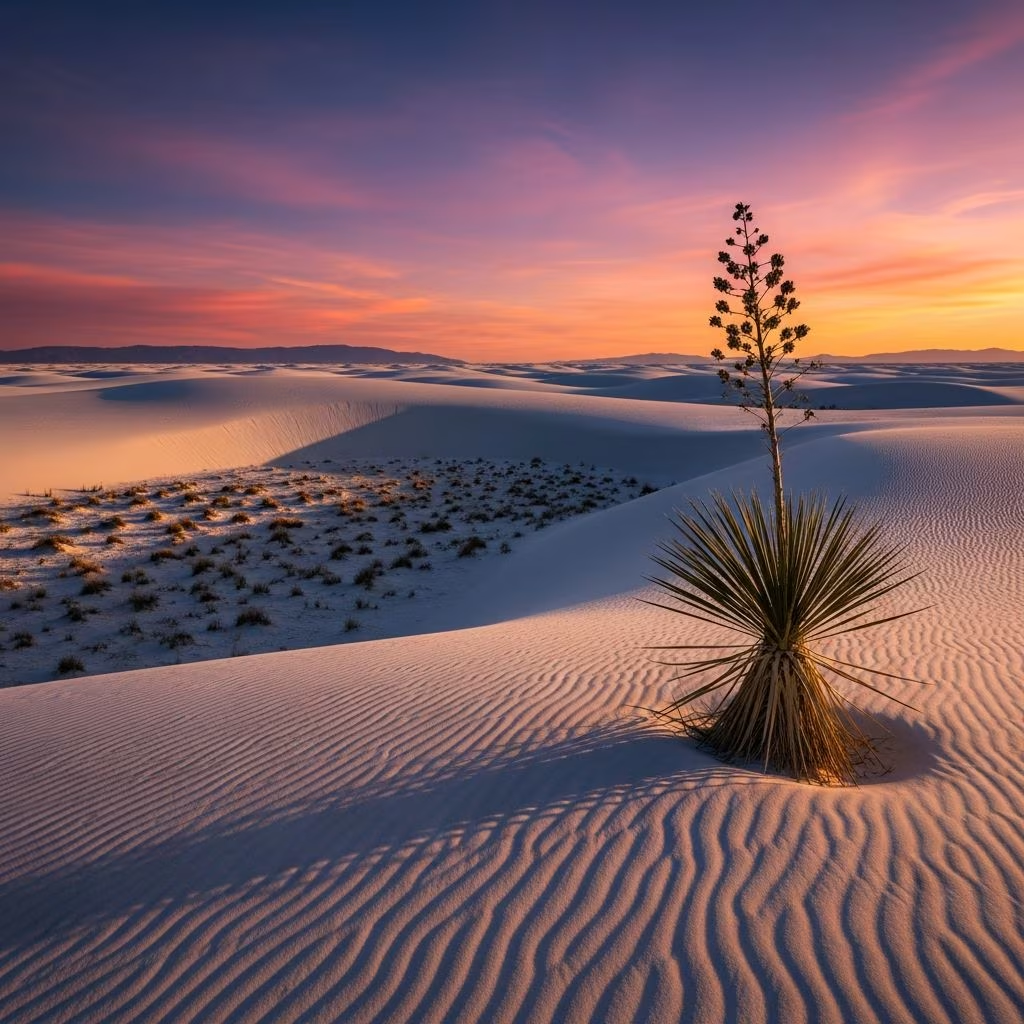
White Sands National Park in New Mexico stands out as a breathtaking destination featuring the world’s largest gypsum dune field, spanning vast areas of shimmering white sands in the Tularosa Basin.
The park’s iconic landscape consists of wave-like dunes made from gypsum crystals, a mineral typically dissolved by water but preserved here due to the basin’s unique dry, isolated conditions. Covering 275 square miles in total, the park protects about 41% of this dunefield, or roughly 145,762 acres, with the rest lying within the adjacent White Sands Missile Range.
Gypsum, or selenite, forms these fine, bright white sands that reflect sunlight dramatically, creating an otherworldly appearance especially at sunrise and sunset. Unlike quartz sand in most beaches, this gypsum is cool to the touch even in midday heat and produces a faint squeak underfoot.
Established as White Sands National Monument on January 18, 1933, by President Herbert Hoover, the site was elevated to full national park status on December 20, 2019, by President Donald Trump, reflecting its growing significance. Surrounded by military installations since 1941, including White Sands Missile Range and Holloman Air Force Base, the park occasionally closes for testing—always verify status beforehand.
As New Mexico’s most visited National Park Service site, it draws around 600,000 visitors annually, surging to over 780,000 in peak pandemic years, with crowds peaking from March to August.
Situated in southern New Mexico, the park lies 15 miles southwest of Alamogordo along U.S. Route 70 and 52 miles northeast of Las Cruces, in Otero and Doña Ana Counties. The nearest major airport is in El Paso, Texas, about 85 miles away.
Open daily year-round except December 25, hours adjust seasonally: typically 7 AM to sunset in winter and 6 AM in summer. Entry requires a $25 per vehicle fee (good for seven days); America the Beautiful passes accepted. Check the official NPS site for missile test closures or weather delays.
| Access Point | Distance from Key Cities | Travel Time (Driving) |
|---|---|---|
| Alamogordo, NM | 15 miles | 20-30 minutes |
| Las Cruces, NM | 52 miles | 50-60 minutes |
| El Paso, TX Airport | 85 miles | 1.5 hours |
Life thrives in this shifting environment. Animals like the bleached earless lizard, Apache pocket mouse, and Ord’s kangaroo rat have evolved pale colors for camouflage. Plants such as soaptree yucca and gypsum grass anchor dunes, blooming vibrantly after rare rains.
Over 200 bird species visit, including roadrunners and burrowing owls. The park safeguards these adaptations, unique to the gypsum ecosystem.
Spring (March-May): Mild weather (60-80°F), wildflower blooms, fewer crowds early season.
Summer (June-August): Hot (up to 100°F), but dunes stay cool; arrive early, bring water (1 gallon/person/day).
Fall (September-November): Comfortable temps, ideal for hiking; missile tests less frequent.
Winter (December-February): Cool (40-60°F), occasional snow on dunes for surreal views; shortest days.
Peak visitation March-August; weekdays beat weekends. Hydrate heavily—no shade or water sources on dunes.
Stay on marked trails to protect cryptobiotic soil crusts. Watch for rattlesnakes in warmer months. Download NPS app for maps.
Backcountry camping immerses you in dunes—permit required, sites marked by symbols (sun/moon). No fires; pack out waste. Nearby: Alamogordo hotels, Oliver Lee Memorial State Park campground (15 miles).
Climate change, visitation growth, and military proximity challenge preservation. NPS limits impacts via timed entry pilots and restoration. Support by following Leave No Trace principles.
Absolutely—its unique gypsum dunes and activities make it a must-see U.S. park.
Yes, via the 8-mile Dunes Drive road.
4-6 hours for basics; overnight for full immersion.
No beyond visitor center/dunes drive; leashed only there.
Rarely, but frost/snow creates magical contrasts.
Closures announced via NPS.gov/whsa; typically 1-2 days quarterly.
