

 Travel Essentials
 Travel Essentials

Airline food quality has plummeted due to commercial shifts, high-altitude taste changes, and rising costs. Explore trends, challenges, and future improvements in in-flight meals.
 Travel Essentials
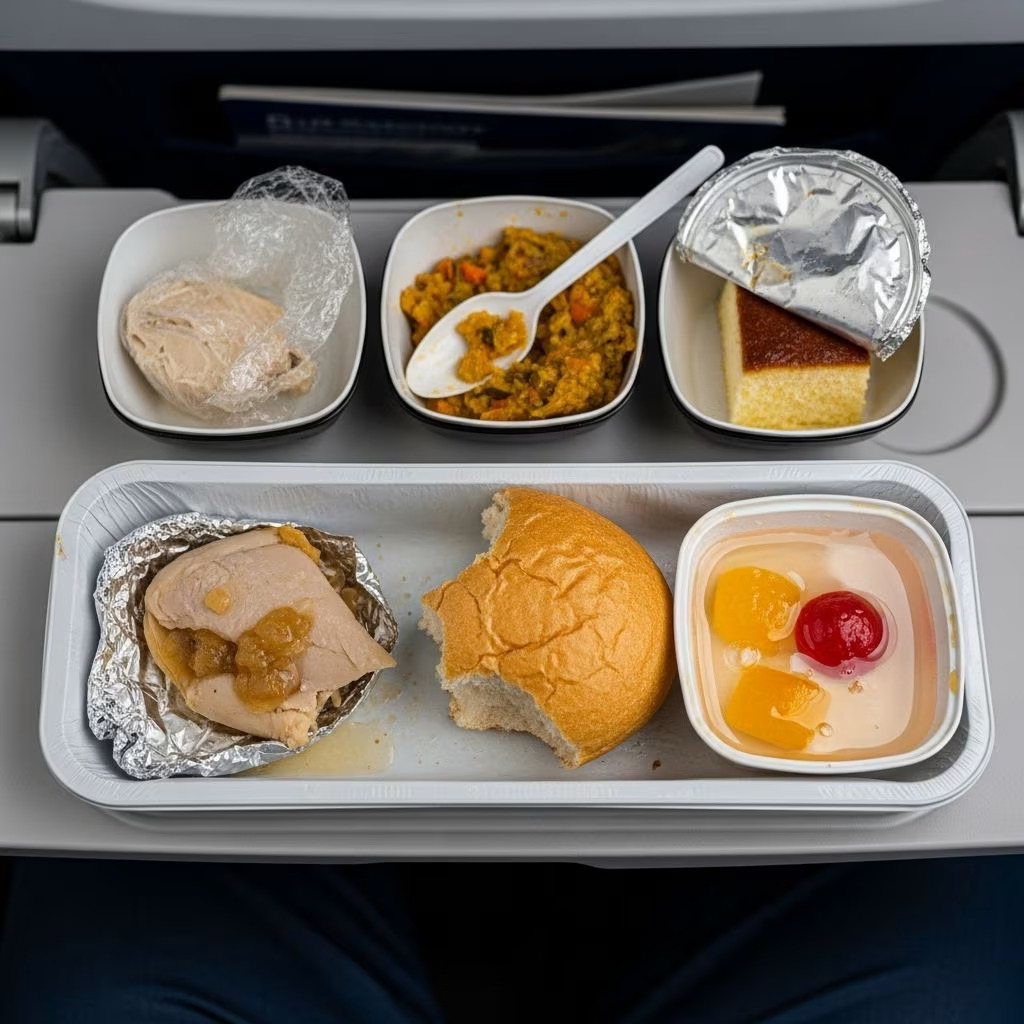
Airline meals, once a highlight of air travel, have seen a marked drop in quality over recent years. Passengers now often face bland, unappealing dishes that fail to satisfy, driven by a mix of environmental factors, economic pressures, and operational hurdles.
Flying at high altitudes fundamentally alters how food tastes. Cabin air has only about 20% humidity compared to ground level, drying out nasal and oral mucous membranes. This reduces the perception of flavors, making salty and sweet tastes harder to detect while umami remains somewhat intact.
To compensate, caterers boost salt and sugar levels in recipes. However, this adjustment often falls short, leaving meals tasting flat. Studies show passengers perceive food as 30% less flavorful aloft, prompting airlines to rethink menu designs beyond mere seasoning tweaks.
The core issue lies in shifting business models. Historically, in-flight dining served as a key marketing tool, especially in regulated markets like the pre-deregulation US where airlines competed on service quality. Today, with air travel booming, low fares dominate, sidelining food as a cost center.
Budget carriers and even full-service airlines now treat meals as optional extras on short-haul flights. On long routes, standard offerings have simplified, with many passengers opting out to cut ticket prices. This has led to industrialized production prioritizing volume over taste, resulting in pre-packaged, reheated items that lack freshness.
Preparing meals for planes involves massive logistics. Caterers must comply with strict food safety rules like HACCP standards, adopted by 92% of providers, which hike operational expenses through advanced monitoring and traceability.
High costs for ingredients, labor, and transport compound issues. Fuel price swings and economic dips force airlines to trim meal budgets. Meanwhile, global passenger growth—expected to drive the market through 2033—strains supply chains, leading to standardized, less inspired fare.
| Challenge | Impact on Meals | Example |
|---|---|---|
| High Operational Costs | Simplified menus, cheaper ingredients | Labor and sourcing expenses up 15-20% |
| Food Safety Regulations | Industrialized, bland preparation | HACCP compliance across 92% of caterers |
| Fuel Price Volatility | Budget cuts to catering | Direct hit to airline spending |
| Competition from Airports | Meals become optional | Passengers buy pre-flight food |
Each passenger produces around 1.43 kg of waste per flight, with 20% being untouched food and drinks. This inefficiency stems from overproduction to ensure supply, but it underscores poor demand forecasting and unappealing options that go uneaten.
Efforts to cut waste include better tech for predictions, yet untouched trays remain common, especially in economy where choices are limited. Premium cabins fare better, but overall, sustainability lags behind ground-based dining norms.
Despite declines, innovation brews. Passenger demand for healthier, customizable options grows, with airlines adding vegan, gluten-free, and locally sourced items. Pre-order systems let travelers select meals ahead, improving satisfaction and reducing waste.
Market leaders like Dnata, LSG Group, and Gate Gourmet invest in these areas, securing contracts with majors through superior solutions.
Disparities shine in class divides. First and business passengers enjoy enhanced meals—fresh, multi-course affairs with wine pairings—willing to pay premiums. Economy gets basics: foil trays of reheated pasta or chicken that often disappoint.
This tiering reflects revenue strategies. High-yield flyers subsidize innovations, while mass-market economy prioritizes cost. In-flight retail sales of snacks and drinks now supplement, turning cabins into mini-markets.
Incidents like Delta’s emergency landing over moldy meals highlight risks. Though rare due to rigorous checks, such events erode trust. Industrial processes minimize poisoning chances but contribute to blandness, as flavors are neutralized for safety.
Caterers use blast-chilling and vacuum-packing, preserving safety at the expense of texture and taste. Passengers report meals as “rubbery” or “soggy,” amplifying perceptions of decline.
The market projects steady growth to 2034, fueled by passenger traffic and premium demand. Yet challenges persist: economic uncertainty, regulations, and rivals like airport eateries.
Optimism lies in tech and sustainability. Automated packaging, smart kitchens, and data analytics promise efficiency. Consumer push for quality could reverse trends if airlines prioritize dining anew.
Low humidity and pressure dull taste buds, especially for salt and sweet. Caterers add seasonings, but commercial cuts limit quality.
Yes, with HACCP standards ensuring high safety. Incidents are outliers from strict protocols.
Custom pre-orders, vegan options, sustainable sourcing, and tech for less waste.
Often not; they’re buy-on-board for short flights, focusing on cheap fares.
Yes, within security rules, bypassing in-flight options.
Opt for premium seats for better food, pre-order special meals, or pack snacks. Hydrate well to counter dry air’s taste-dulling effects. Choose flights with reputed caterers like LSG.
