 Stays
StaysStays
Why Airplane Cabin Lights Dim During Takeoff and Landing
Learn the critical safety reasons behind cabin light dimming during takeoff and landing, including eye adaptation and emergency procedures.
 Stays
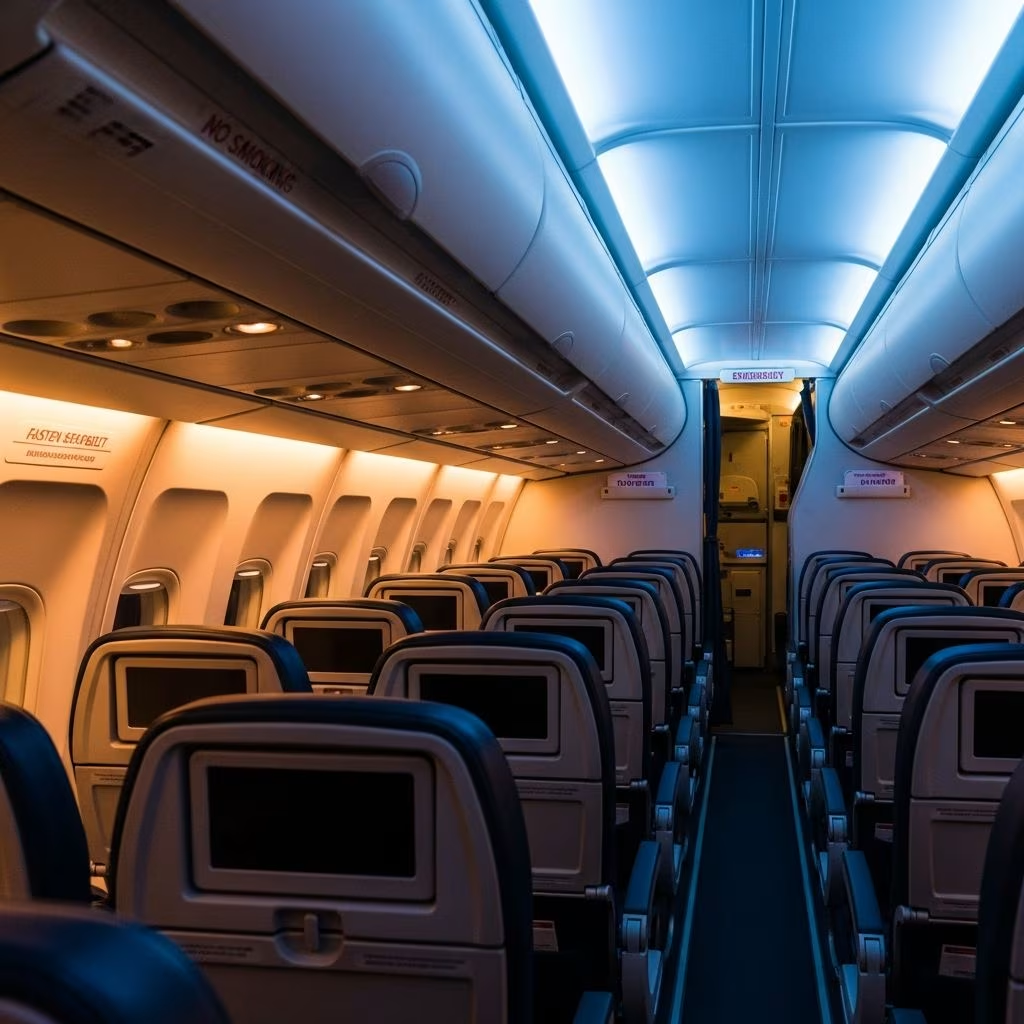
StaysWhen boarding an aircraft for departure, passengers often notice cabin crew members systematically dimming the overhead lights as the plane prepares for takeoff. This seemingly routine adjustment puzzles many travelers, with some assuming it’s designed to encourage rest or create a more comfortable atmosphere. However, the reality behind this practice is far more compelling and directly tied to passenger safety during critical phases of flight. Understanding the reasoning reveals a sophisticated safety protocol that has become standard across the aviation industry.
Understanding the Core Purpose of Light Reduction
The dimming of cabin lights during takeoff and landing represents one of aviation’s most important yet misunderstood safety measures. Rather than serving aesthetic or comfort purposes, this protocol addresses a fundamental physiological challenge that could impede passenger evacuation during emergencies. The primary objective is to pre-adapt passenger eyes to darkness, ensuring that if an unexpected emergency occurs and external lighting is compromised, individuals can quickly locate emergency exits and navigate evacuation routes without experiencing disorientation from sudden light transitions.
Aviation safety experts recognize that the human eye requires time to adjust when transitioning between dramatically different lighting environments. During daylight operations, external lighting conditions vary significantly depending on time of day, weather patterns, and geographic location. If cabin lights remained at full brightness during an emergency evacuation at night or in adverse weather conditions, passengers would face a dangerous lag period where their eyes struggled to accommodate the abrupt shift from bright interior lighting to the dim external environment.
The Physiology of Visual Adaptation
The human eye undergoes measurable physiological changes when adjusting between light and dark environments. This process, called scotopic adaptation, involves the dilation of the pupil and increased sensitivity of rod cells in the retina. By gradually reducing cabin illumination before takeoff and landing, aviation protocols allow this adaptation process to begin proactively rather than reactively.
When passengers board a fully illuminated aircraft and then experience an emergency requiring evacuation into darkness, their pupils have not yet dilated sufficiently to gather available ambient light. This creates several hazardous conditions:
- Reduced ability to distinguish emergency exit signage and floor-level lighting strips
- Impaired depth perception when navigating aisles and emergency slides
- Increased collision risk with other evacuees and cabin fixtures
- Psychological disorientation that may slow evacuation response
By initiating the adaptation process during the pre-takeoff phase, passengers’ visual systems are already primed to function effectively in low-light conditions, should such conditions arise unexpectedly.
Historical Precedent: Learning from Maritime Practices
Interestingly, the principle underlying aircraft cabin light dimming has historical parallels in maritime tradition. Naval personnel and seafaring crews have long understood the value of maintaining dark-adapted vision when transitioning between brightly lit and dimly lit environments. This understanding informed various practical strategies, including the famous practice of wearing eye patches aboard ships. When crew members needed to move rapidly between deck areas in bright sunlight and the shadowed interior of a ship’s hull or cabin, they would switch their eye patch from one eye to the other, allowing the covered eye to maintain dark adaptation and providing immediate functional vision.
This same principle—maintaining preparedness for rapid transitions between lighting environments—now informs modern aviation safety protocols. Rather than using eye patches, contemporary air travel achieves the same physiological outcome through systematic light reduction during critical flight phases.
Emergency Evacuation: The Real-World Application
The practical application of light dimming becomes most apparent during emergency evacuation scenarios. Civil aviation authorities and aircraft manufacturers have established detailed evacuation protocols based on decades of safety research and accident investigations. These protocols recognize that evacuation speed directly correlates with passenger survival rates, particularly in scenarios involving fire, structural damage, or other emergencies requiring rapid aircraft egress.
When emergency situations occur, every second matters. Passengers must:
- Quickly locate emergency exit rows and illuminated exit signs
- Navigate unfamiliar cabin layouts under stress
- Follow crew member instructions and evacuation route guidance
- Assist other passengers who may have mobility limitations
- Operate emergency slides or evacuation equipment effectively
Passengers whose eyes have already adapted to lower lighting levels can execute these actions more rapidly and accurately than those experiencing sudden transitions from bright to dark environments. This enhanced reaction capability can mean the difference between safe evacuation and tragic outcomes.
Psychological and Behavioral Considerations
Beyond the physiological aspects of visual adaptation, dimmed cabin lighting during takeoff and landing produces psychological benefits that enhance overall emergency response. Lower ambient lighting levels tend to promote calm and focus, whereas bright overhead lighting can amplify anxiety and create an environment conducive to panic.
When an aircraft experiences unexpected turbulence or mechanical issues during takeoff or landing, passenger anxiety naturally increases. Maintaining dimmed lighting helps create a more serene cabin atmosphere, making it easier for cabin crew to communicate instructions and for passengers to remain cooperative. In contrast, sudden brightening of fully illuminated cabins during genuine emergencies could heighten panic responses, making orderly evacuation more difficult.
This psychological component works in conjunction with the physiological benefits, creating a comprehensive safety framework that extends beyond simple vision capability to include behavioral and emotional factors that influence evacuation success.
Regulatory Standards and Industry Implementation
The practice of dimming cabin lights during takeoff and landing is not an optional procedure or airline preference; rather, it represents a mandated safety requirement established by aviation regulatory bodies. Civil aviation authorities in multiple jurisdictions have incorporated this practice into flight operations standards and pilot training requirements. Airlines must demonstrate compliance with these lighting protocols during safety audits and certification reviews.
Cabin crew receive specific training regarding lighting adjustment procedures, including:
- Precise timing for light dimming relative to takeoff clearance
- Coordination with cockpit crew regarding external lighting conditions
- Communication of lighting status to passengers when appropriate
- Procedures for adjusting lighting during emergency situations
This standardized approach ensures consistency across different airlines and aircraft types, allowing passengers to experience uniform safety procedures regardless of their carrier or destination.
Remaining Illumination and Safety Lighting Systems
An important clarification regarding cabin lighting during takeoff and landing is that complete darkness is never implemented. Rather, cabin crew dim the main overhead lighting while maintaining essential illumination from other sources. These include:
- Floor-level emergency lighting strips that outline evacuation routes
- Illuminated emergency exit signs with directional indicators
- Courtesy lights in lavatories and galley areas
- Reading lights available for individual passenger use
- Cockpit and flight deck illumination necessary for pilot operations
This layered lighting approach provides adequate visibility for normal flight operations while allowing eyes to adapt to lower ambient light levels. The emergency lighting systems are specifically engineered to remain functional during power failures or other electrical malfunctions that might accompany emergency situations, ensuring that evacuation route visibility is maintained under all foreseeable circumstances.
Frequently Asked Questions About Cabin Lighting
Why is cabin lighting dimmed only during takeoff and landing?
Takeoff and landing represent the most critical phases of flight when emergencies are statistically most likely to occur. By pre-adapting passenger eyes during these high-risk periods, airlines ensure maximum safety readiness. Cruising at altitude involves lower risk, so full cabin lighting is typically restored once the aircraft reaches stable cruise altitude.
Does dimmed lighting help passengers sleep on long flights?
While reduced lighting can facilitate sleep during cruise, this is a secondary benefit rather than the primary purpose of dimming during takeoff and landing. Sleep promotion occurs during the cruise phase when full lighting is typically available; the dimming during takeoff and landing serves strictly safety functions.
Can passengers request that lights remain bright during takeoff and landing?
No, cabin lighting adjustments during critical flight phases are mandatory safety procedures that cannot be modified based on individual passenger preferences. Crew members cannot override these requirements, as doing so would violate aviation safety regulations.
How quickly do eyes adapt to the dimmed lighting?
Initial adaptation typically occurs within several minutes, though complete dark adaptation can require 20-30 minutes in some individuals. The gradual dimming process that occurs before takeoff initiates this adaptation process, providing partial adjustment by the time the aircraft reaches takeoff speed.
Conclusion: Safety Through Scientific Application
The dimming of aircraft cabin lights during takeoff and landing exemplifies how modern aviation applies scientific understanding to enhance passenger safety. What appears to passengers as a minor operational detail reflects sophisticated knowledge of human physiology, emergency response protocols, and risk management principles. By facilitating visual adaptation to darkness before it becomes necessary, airlines provide passengers with critical advantages should emergency evacuation become required.
This practice, informed by historical maritime traditions and contemporary aviation research, continues to serve as a fundamental component of modern flight safety. Understanding the reasoning behind this procedure transforms passenger perception from viewing it as a random inconvenience to recognizing it as an essential protective measure implemented specifically for their benefit and security.
References
- Why Do Airlines Dim Cabin Lights During Takeoff and Landing? — The Skies With Us (Europair). Accessed April 2026. https://theskieswithus.europair.com/en/blog/amidst-lights-and-shadows-unveiling-purpose-behind-dimming-lights-airplane
On This Page
Understanding the Core Purpose of Light Reduction The Physiology of Visual Adaptation Historical Precedent: Learning from Maritime Practices Emergency Evacuation: The Real-World Application Psychological and Behavioral Considerations Regulatory Standards and Industry Implementation Remaining Illumination and Safety Lighting Systems Frequently Asked Questions About Cabin Lighting Conclusion: Safety Through Scientific Application← Previous
Best Anti-Theft Travel Gear for Safer International Trips
Next →
Long Beach Peninsula, Washington: Beaches, Trails & Coastal Adventures
Related Reading