

 Travel Essentials
 Travel Essentials

Discover America's most captivating small towns featuring unique attractions, local culture, outdoor activities, and authentic dining experiences beyond mainstream tourism.
 Travel Essentials
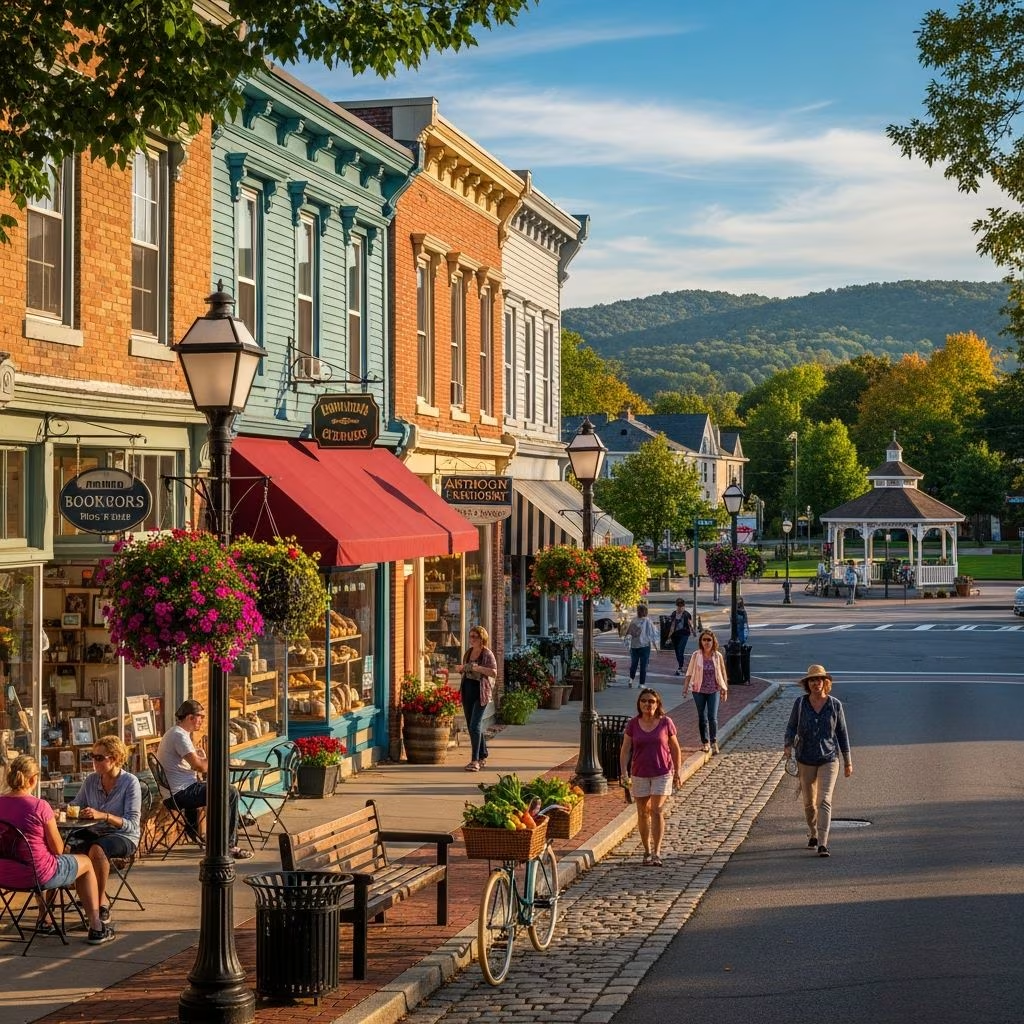
While major metropolitan areas and well-known tourist destinations dominate travel itineraries, the true essence of American culture often reveals itself in smaller communities. These often-overlooked towns offer visitors an opportunity to experience genuine hospitality, regional cuisine, and local traditions that have been preserved for generations. Travel enthusiasts seeking meaningful connections and authentic experiences increasingly turn to small-town destinations that provide a refreshing alternative to crowded tourist attractions.
The appeal of small-town travel extends beyond mere novelty. These communities showcase the diversity of American heritage, from coastal villages to mountain towns, agricultural hubs to artistic colonies. Whether you’re interested in outdoor recreation, culinary exploration, historical preservation, or simply slowing down your pace of life, America’s small towns deliver experiences that resonate long after you return home.
The shift toward small-town tourism reflects broader changes in how travelers approach their journeys. Rather than checking off famous landmarks, modern visitors seek immersion in local communities, understanding how people actually live, work, and celebrate. Small towns provide exactly this opportunity—spaces where visitors can engage with residents, support local businesses, and contribute directly to community economies.
Small-town destinations also offer practical advantages. They typically feature lower accommodation costs compared to major cities, reduced crowding at attractions, and opportunities to explore at a relaxed pace without feeling rushed. Visitors can spend meaningful time in each location, discovering hidden cafes, browsing independent shops, and attending community events that larger cities cannot replicate.
One of the most rewarding aspects of small-town exploration involves discovering exceptional local cuisine. Many small communities boast talented chefs, family-owned restaurants, and food traditions rooted in regional ingredients and cultural heritage. These establishments often operate with minimal marketing, relying instead on word-of-mouth recommendations and local patronage.
Farm-to-table dining thrives in agricultural regions where restaurants maintain direct relationships with producers. Visitors can enjoy meals featuring ingredients harvested that morning, prepared according to recipes passed through generations. Farmers’ markets operate in town squares, offering not only fresh produce but also opportunities to meet the people who grow the food.
Specialty food establishments showcase regional pride—bakeries producing heritage bread varieties, distilleries creating craft spirits from local grains, creameries making artisanal cheeses. These businesses preserve culinary knowledge while creating gathering spaces where travelers and residents naturally interact.
Small towns frequently serve as gateways to remarkable natural environments. Communities positioned near mountains, rivers, lakes, or coastlines offer access to outdoor activities while maintaining the charm and hospitality characteristic of smaller settlements. Whether pursuing hiking, kayaking, fishing, or cycling, visitors find these towns provide excellent bases for adventure.
Many small towns have invested in trail systems, waterfront access, and outdoor facilities that encourage both residents and visitors to engage with natural spaces. Local outfitters provide equipment and guidance, ensuring visitors can participate safely regardless of experience level. These businesses often employ knowledgeable staff who possess intimate familiarity with local terrain.
Seasonal variations create distinct visitor opportunities. Spring brings wildflower displays and fishing season openings. Summer enables water-based recreation and outdoor festivals. Fall showcases changing foliage and harvest celebrations. Winter provides quiet contemplation in picturesque snow-covered settings.
Certain small towns have evolved into artistic havens, attracting painters, musicians, writers, and craftspeople seeking affordable studio space and tight-knit creative communities. These towns pulse with cultural energy—galleries showcase local work, theaters present performances, studios open for visitors’ exploration. The presence of artists fundamentally transforms these communities, attracting culturally-minded visitors and creating economic vitality through creative industries.
Visiting artistic communities provides opportunities to purchase original artwork directly from creators, attend live performances in intimate venues, and participate in workshops. Many towns host artist open studios, allowing visitors to observe creation processes and engage in meaningful conversations about artistic practice and inspiration.
America’s small towns often serve as custodians of significant historical narratives. Communities preserve buildings, documents, and traditions that illuminate American history from unique perspectives. Museums in small towns frequently focus on specific aspects of regional heritage—mining history, indigenous cultures, transportation development, agricultural evolution—providing detailed insights unavailable in larger institutions.
Walking historic districts, visitors encounter architecture representing different periods and styles. Many towns conduct preservation efforts maintaining authentic character while accommodating contemporary needs. Local historical societies provide guided tours, host lectures, and maintain archives accessible to curious visitors seeking deeper understanding.
Some small towns have emerged from challenging histories to celebrate resilience and renewal. Communities once dependent on single industries have diversified their economies, repurposed historic buildings, and created new identities while honoring their pasts. These transformative narratives inspire visitors and demonstrate possibilities for community reinvention.
Contrary to assumptions about limited options, many small towns offer diverse accommodation choices. Historic bed-and-breakfasts operated by longtime residents provide personalized hospitality and insider knowledge. Charming inns combine comfortable amenities with architectural character. Some towns feature renovated historic properties—former schoolhouses, churches, or mansions—converted into distinctive lodging experiences.
Modern boutique hotels often blend contemporary comfort with design sensitivity to local character. Farm stays, cabin rentals, and glamping accommodations appeal to visitors seeking particular experiences. This variety ensures travelers find options matching their preferences and budgets.
Visitor information centers, often staffed by enthusiastic locals, provide recommendations for restaurants, activities, and lesser-known attractions. Many towns maintain excellent websites featuring practical information, event calendars, and photographs conveying community character.
Small towns celebrate their unique identities through festivals, parades, and seasonal gatherings. These events showcase regional products—agricultural festivals celebrating harvests, music festivals featuring local talent, craft fairs displaying artisan work. Participation in community celebrations provides visitors genuine insight into what matters to residents, what they take pride in, and how they maintain social cohesion.
Timing a visit to coincide with local festivals creates memorable experiences. Visitors witness communities functioning at their most vibrant, share meals prepared for celebrations, and participate in traditions that define local identity. Many festivals welcome visitors warmly, recognizing tourism revenue while valuing the expanded audience for cultural expression.
Selecting among America’s numerous small towns requires considering personal interests and preferences:
| Travel Interest | Suitable Town Characteristics | Activities |
|---|---|---|
| Outdoor Adventure | Proximity to mountains, rivers, or coastal areas | Hiking, kayaking, fishing, rock climbing |
| Culinary Tourism | Agricultural regions or specialized food production | Farm visits, cooking classes, farmers markets |
| Art and Culture | Established artist communities or cultural institutions | Gallery visits, performances, artist studios |
| History Enthusiasts | Preserved historic districts or significant heritage sites | Museum tours, architecture walks, archival research |
| Relaxation Seekers | Peaceful settings with limited commercial development | Spa services, leisurely dining, reading, meditation |
Successful small-town visits benefit from flexible planning. Rather than scheduling every hour, identify key attractions and allow spontaneous discoveries. Allocate time for extended conversations with locals, unplanned detours, and leisurely meals. Small towns reward wanderers more than those rushing between predetermined activities.
Consider visiting during shoulder seasons when crowds diminish but weather remains pleasant. This timing often provides better interactions with locals, easier restaurant reservations, and more personalized service. However, check local event calendars—peak seasons often coincide with festivals and celebrations creating vibrant atmospheres.
Engage with local tourism organizations for personalized recommendations. Staff members often possess knowledge about hidden restaurants, upcoming events, and seasonal highlights unavailable through typical online research. These conversations frequently lead to unexpected discoveries and genuine connections.
Mindful tourism in small towns involves conscious decisions supporting local prosperity. Choosing locally-owned restaurants over chains, purchasing from independent retailers, hiring local guides, and booking accommodations run by residents ensures tourism revenue benefits communities most directly. Many visitors specifically seek opportunities to support local entrepreneurs and artisans.
This approach creates a positive feedback loop—communities receiving direct tourism benefits invest in maintenance, improvements, and cultural programming. Residents appreciate visitors who show genuine interest in their communities and respect local culture. This creates welcoming environments where subsequent visitors receive warm receptions.
Small towns generally feature populations under 50,000, walkable downtown areas, and communities where residents recognize one another. Population size matters less than character—the sense of intimate scale, personal interaction, and distinctive local identity.
Absolutely. Many families appreciate small towns’ safety, manageable geographic scale, and family-friendly activities. Children enjoy exploring at their own pace, interacting with animals on farms, and participating in age-appropriate community events.
Official tourism websites, regional travel guides, local chamber of commerce information, and travel blogs focused on authentic experiences provide valuable insights. Reading recent visitor reviews helps assess current conditions and experiences.
While accessibility varies, many small towns have invested in improving public spaces. Contact tourism offices directly about specific needs—staff can often suggest accessible routes, accommodations, and activities.
Late spring through early fall generally offers favorable weather and active community programming. However, each region has optimal seasons—coastal towns excel in summer, mountain towns in fall, some agricultural regions during harvest celebrations.
Generally, small towns offer excellent value. Accommodations and dining typically cost significantly less than major urban centers. However, specific towns experiencing tourism booms may have higher prices than smaller communities.
