

 Travel Essentials
 Travel Essentials

Explore why the Bloody Mary cocktail thrives on flights and at airports, from noise-enhanced taste to cultural brunch vibes and health perks.
 Travel Essentials
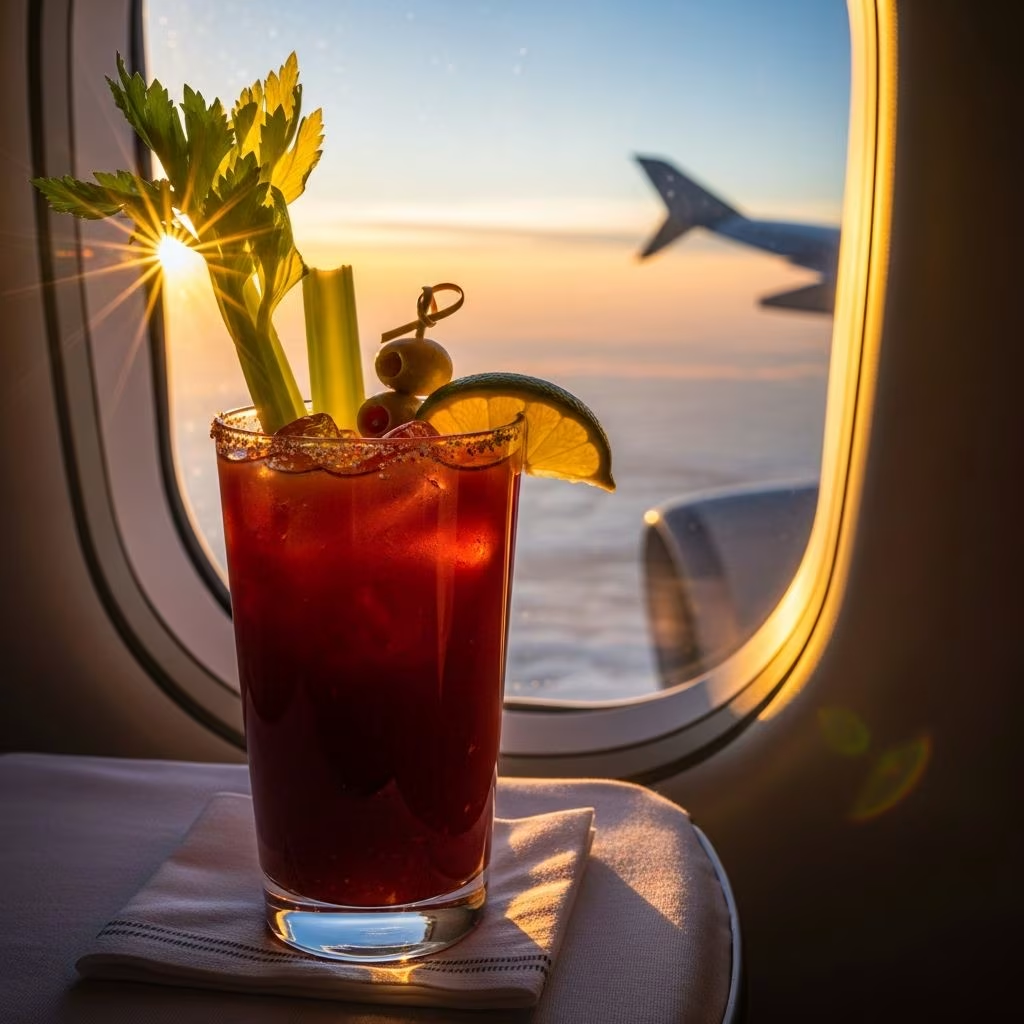
The Bloody Mary stands out as the undisputed champion of in-flight and airport beverages. This vibrant mix of vodka, tomato juice, spices, and garnishes captivates travelers worldwide, turning mundane layovers and bumpy ascents into moments of unexpected pleasure. But what makes this cocktail so irresistible in the high-altitude world of aviation? A blend of sensory science, cultural norms, and practical perks explains its dominance.
Flying isn’t just about reaching destinations faster; it alters how we perceive flavors. Cabin environments, with their steady hum of engines and air systems, create a unique sensory backdrop that enhances certain tastes. Research reveals that the constant noise levels around 85 decibels impair sweet flavors while amplifying umami—the savory, mouth-filling quality found in tomatoes, Worcestershire sauce, and fermented elements common in Bloody Marys.
Umami, often called the fifth taste, arises from glutamate, a natural compound abundant in tomato juice, meats, cheeses, and vegetables. In noisy conditions like those on airplanes, this flavor profile intensifies, making a sip of Bloody Mary more satisfying than on the ground. Studies using flight simulators confirmed that participants rated tomato juice higher in these simulated conditions compared to quiet settings.
Airlines have capitalized on this phenomenon. For instance, some carriers report selling volumes of tomato juice rivaling beer, a testament to how environmental factors shift preferences mid-flight. Beyond noise, low cabin pressure and dry air further dull taste buds, pushing passengers toward bold, umami-rich drinks that cut through the sensory fog.
The Bloody Mary transcends aviation science; it’s deeply woven into morning drinking culture. Often dubbed the “hangover cure” or brunch hero, its tomato base and vegetable garnishes—like celery, lemon, and olives—lend a wholesome, daytime-friendly vibe. This strips away the stigma of early alcohol consumption, making it ideal for red-eye flights or dawn departures when body clocks scream “morning” regardless of the hour.
Airports amplify this appeal with their perpetual daylight illusion. Harsh fluorescent lights and vast white spaces mimic noon, priming travelers for brunch-like indulgences. Even post-flight, when jet lag blurs time zones, the cocktail’s fresh, savory profile feels restorative rather than indulgent.
Travel stresses the body: dehydration from recycled air, radiation exposure from cosmic rays at altitude, and reduced oxygen flow to the brain. Tomatoes, the Bloody Mary’s core ingredient, pack antioxidants like lycopene, which combat free radicals and cell damage—benefits that feel timely amid these rigors.
Vodka contributes by easing anxiety, while spices like hot sauce and pepper provide a circulatory boost. Though not a miracle elixir, the drink’s nutrient-dense profile offers a subtle edge over sugary alternatives, aligning with health-conscious travelers seeking hydration-mimicking refreshment.
Airline menus prioritize practicality: compact cans of tomato juice store easily and mix swiftly. Historically, as complaints about bland airplane food mounted, carriers experimented with flavors resilient to altitude. Tomato-based drinks emerged as winners, their acidity and savoriness holding up better than delicate wines or sweets.
| Factor | Impact on Taste | Bloody Mary Advantage |
|---|---|---|
| Noise (85 dB) | Suppresses sweet, boosts umami | Tomato juice and spices shine |
| Low Pressure | Dulls overall flavor | Bold acidity cuts through |
| Dry Air | Reduces saliva, mutes taste | Juicy, savory profile hydrates senses |
| Cultural Timing | Morning association | Feels like brunch anytime |
While the classic recipe rules, regional twists add flair. In Europe, airlines might emphasize spicier profiles with extra horseradish. Asian carriers incorporate wasabi or pickled elements for umami depth. Passengers rave about garnishes: some opt for bacon strips or shrimp, turning the drink into a mini-meal.
Bloody Marys thrive pre-boarding too. Airport lounges and gates buzz with orders, fueled by anticipation of the flight experience. The drink’s portability—served in plastic cups—and familiarity comfort stressed travelers navigating security marathons. It’s a ritual: sip while scanning boards, easing into journey mode.
Psychologically, it bridges home and away, with its veggie-heavy look signaling nutrition amid fast-food traps. Data shows it’s a top seller in terminals, outpacing beers during peak morning hours.
Craft your own mid-flight or at home to mimic skies. Start with high-quality tomato juice for max umami. Balance vodka ratio to 1:3 with juice. Stir in celery salt, fresh lemon, dashes of Worcestershire and hot sauce. Garnish generously—crucial for texture in dry cabins.
Not all love it—sweet-tooth flyers might skip. Yet stats confirm its reign: certain airlines sell more tomato juice than any other non-alcoholic drink. Fun fact: The cocktail’s name ties to Queen Mary I, but its aviation fame is pure modern serendipity.
Plane noise at 85 decibels enhances umami while muting sweetness, spotlighting the drink’s tomato and spice notes.
Yes, its antioxidants fight radiation-induced damage, and hydration aids dry cabin air.
It blends brunch traditions with flight sensory shifts, popularized by airlines serving resilient tomato mixes.
Absolutely—a Virgin Mary retains all flavor benefits, ideal for sober travel.
Most do, often as a mix-your-own kit with vodka shots and juice cans.
Next time you’re airborne or lounging at the gate, raise a glass to this sky-high icon. Its triumph blends biology, culture, and convenience, proving some pleasures soar highest at cruising altitude. Whether combating jet lag or savoring umami peaks, the Bloody Mary remains travel’s perfect companion.
