 Stays
StaysStays
Why Drinking Alcohol Before Sleeping on a Plane Is Risky
New studies show alcohol before sleeping on flights drops blood oxygen, spikes heart rate, and ruins sleep quality amid cabin pressure effects.
 Stays
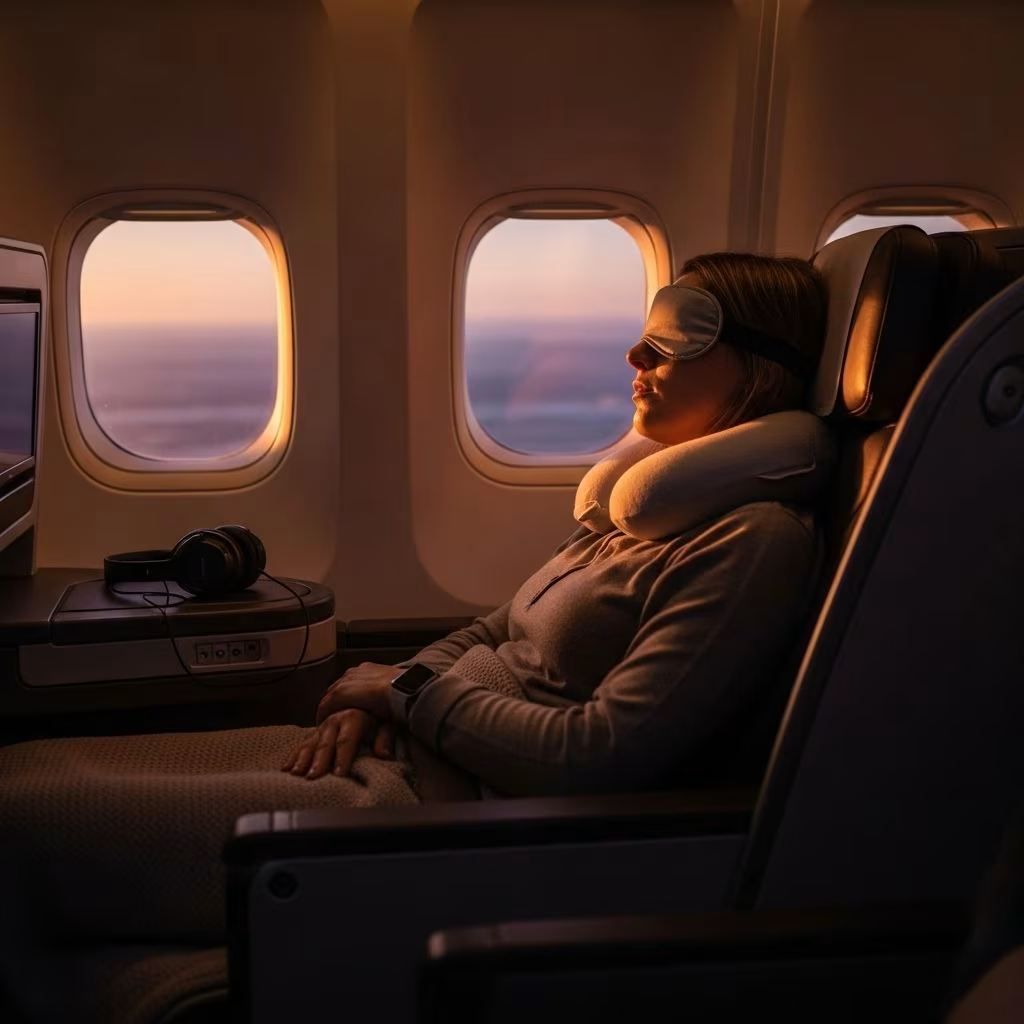
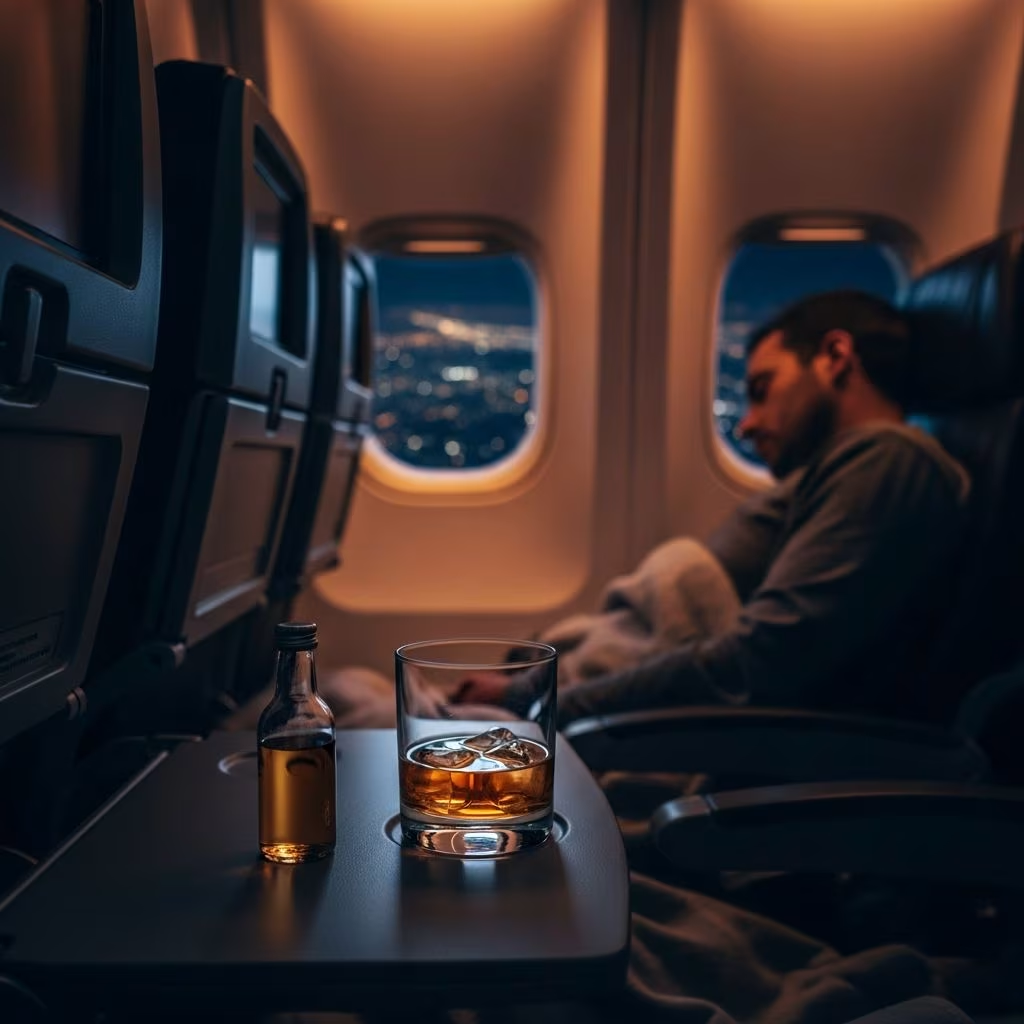
StaysCombining alcohol consumption with sleep during air travel can significantly impair your body’s vital functions, even in otherwise healthy individuals. Research conducted in simulated flight conditions demonstrates that this common practice lowers blood oxygen levels, accelerates heart rates, and diminishes sleep quality due to the unique hypobaric environment of airplane cabins.
The Science of Cabin Pressure and Its Impact on the Body
Commercial airplanes maintain cabin pressure equivalent to an altitude of 6,000 to 8,000 feet, far higher than sea level. This hypobaric hypoxia reduces the partial pressure of oxygen in the air, causing blood oxygen saturation (SpO2) to drop naturally during flight, a condition known as aviation-related hypoxia.
During sleep, this effect intensifies because breathing patterns change, further limiting oxygen intake. Studies confirm that even without alcohol, sleep on planes exacerbates desaturation, with SpO2 often falling below 90%—a threshold considered clinically low.
- Cabin air contains about 15-20% less oxygen than ground level air.
- Sleep reduces respiratory drive, amplifying hypoxia.
- Healthy adults may experience SpO2 dips to 92-95% on long flights.
How Alcohol Amplifies Hypoxia Risks in the Air
Alcohol acts as a respiratory depressant, slowing breathing and reducing lung efficiency. When ingested before sleep in a low-oxygen cabin, it compounds hypobaric effects, leading to profound desaturations. A controlled study exposed participants to alcohol equivalent to two to three drinks and simulated flight altitude, revealing SpO2 drops to as low as 85%—well into dangerous territory.
Heart rates surged by 10-20 beats per minute in these scenarios, indicating cardiovascular strain. This tachycardia persists through sleep stages, preventing restorative deep sleep phases.
| Condition | Average SpO2 (%) | Heart Rate (bpm) | Sleep Quality |
|---|---|---|---|
| No Alcohol, Ground Level | 96-98 | 60-70 | High |
| No Alcohol, Flight Simulation | 92-95 | 70-80 | Moderate |
| Alcohol + Flight Simulation | 85-90 | 85-100 | Poor |
Data derived from sleep lab experiments mimicking airplane conditions.
Cardiovascular Strain: A Ticking Time Bomb at 30,000 Feet
The synergistic impact of alcohol, sleep, and altitude places undue stress on the heart. Elevated heart rates combined with low oxygen force the cardiovascular system to compensate aggressively, increasing risks of arrhythmias or ischemia, even in young adults.
For passengers with conditions like hypertension, heart disease, or obesity, these changes can trigger medical emergencies. In-flight cardiovascular incidents account for a notable portion of diversions, with hypoxia as a key contributor.
- Increased myocardial oxygen demand due to tachycardia.
- Potential for prolonged hypoxemia lasting entire sleep periods.
- Risks heightened for those over 50 or with comorbidities.
Sleep Disruption: Why You Wake Up Feeling Worse
Many travelers drink to induce sleep on red-eye flights, but alcohol disrupts sleep architecture. It suppresses rapid eye movement (REM) and deep slow-wave sleep, leading to fragmented rest. In flight simulations, alcohol curtailed total sleep time and eliminated beneficial stages, resulting in fatigue upon landing.
Cabin dehydration from low humidity (10-20%) worsens this, as alcohol’s diuretic effect promotes fluid loss, mimicking hangover symptoms amplified by jet lag.
Who Faces the Greatest Dangers?
While effects appear in all demographics, certain groups are more vulnerable:
- Older adults: Reduced physiological reserve amplifies desaturation impacts.
- Pre-existing conditions: COPD, sleep apnea, or heart issues see exacerbated symptoms.
- Obese individuals: Higher baseline hypoxia risk from body mass.
- Frequent flyers: Cumulative exposure to repeated hypoxic episodes.
Experts caution against alcohol for those with obstructive sleep apnea, as it relaxes airway muscles, worsening apnea events in low-oxygen settings.
Real-World Evidence from Aerospace Research
Researchers at the German Aerospace Center utilized a hypobaric chamber to replicate exact flight conditions, testing 48 healthy volunteers over four nights. Alcohol intake (mimicking standard drinks) before sleep in the chamber produced measurable deteriorations: SpO2 averaged 85.8%, heart rates hit 88 bpm on average, and deep sleep was halved compared to controls.
Lead investigators noted surprise at the severity, urging policy changes like alcohol restrictions on flights.
Expert Recommendations for Safer Skies
Medical professionals advise skipping alcohol entirely during flights, especially before naps. Alternatives include:
- Staying hydrated with water or electrolyte drinks.
- Using caffeine strategically for alertness, avoiding late in flight.
- Practicing breathing exercises to boost oxygenation.
- Wearing compression socks to aid circulation.
“Alcohol and hypobaric hypoxia are synergistic stressors on the heart—avoid them together on planes.” – Sleep specialist insights from recent analyses.
Comparing Alcohol to Other In-Flight Sleep Aids
| Sleep Aid | Oxygen Impact | Heart Rate Effect | Recommendation |
|---|---|---|---|
| Alcohol | Strong Decrease | Strong Increase | Avoid |
| Melatonin | Neutral | Minimal | Consider (consult doctor) |
| Prescription Sedatives | Moderate Decrease | Variable | Use Cautiously |
| Herbal Teas | None | Neutral | Safe |
Airline Policies and Future Changes
Some airlines limit alcohol service on long-haul flights, but most do not. Researchers advocate for restrictions, citing public health benefits. Passengers can self-regulate by choosing non-alcoholic beverages.
Frequently Asked Questions (FAQs)
Is one drink safe before sleeping on a plane?
No—studies show even moderate amounts (equivalent to 2-3 standard drinks) cause clinically significant changes in oxygen and heart metrics.
How long after drinking can I safely sleep on a flight?
Best to avoid alcohol 4-6 hours before intended sleep; allow full metabolism to prevent residual effects.
Does this apply to short flights too?
Primarily long-haul where sleep occurs, but any flight with alcohol and rest carries risks.
What if I have no health issues?
Young, healthy people still experienced drops to 85% SpO2—below safe levels for sustained periods.
Can hydration counteract alcohol’s effects?
It helps mildly but does not reverse hypoxia or tachycardia induced by the combination.
Practical Tips for Restful, Healthy Flights
- Opt for water over wine—aim for 8 oz per hour of flight.
- Move every 2 hours to promote circulation and lung expansion.
- Use eye masks and earplugs instead of booze for sleep induction.
- Eat light, balanced meals to stabilize blood sugar.
- Monitor personal health; consult doctors pre-flight if at risk.
By understanding these interactions, travelers can prioritize well-being over inflight indulgences, arriving refreshed rather than drained.
References
- Drinking Alcohol Before Sleeping On Flights Presents Health Risk, Study Finds — Aerospace Science Research Network. 2024. https://www.asrn.org/journal-nursing/3151-drinking-alcohol-before-sleeping-on-flights-presents-health-risk-study-finds.html
- Altitude and alcohol are a recipe for bad sleep — University of Florida Health Podcasts. 2024. https://podcasts.ufhealth.org/altitude-and-alcohol-are-a-recipe-for-bad-sleep/
- Drinking alcohol before sleeping on a plane could be dangerous, study suggests — Fox News. 2024. https://www.foxnews.com/health/drinking-alcohol-sleeping-plane-could-dangerous-study-suggests
On This Page
The Science of Cabin Pressure and Its Impact on the Body How Alcohol Amplifies Hypoxia Risks in the Air Cardiovascular Strain: A Ticking Time Bomb at 30,000 Feet Sleep Disruption: Why You Wake Up Feeling Worse Who Faces the Greatest Dangers? Real-World Evidence from Aerospace Research Expert Recommendations for Safer Skies Comparing Alcohol to Other In-Flight Sleep Aids Airline Policies and Future Changes Frequently Asked Questions (FAQs) Practical Tips for Restful, Healthy Flights← Previous
Best Beaches in Tropea, Italy: A Guide to the Coast of the Gods
Next →
Tulum Beach Named the Whitest Sand Beach in the World
Related Reading