

 Travel Essentials
 Travel Essentials

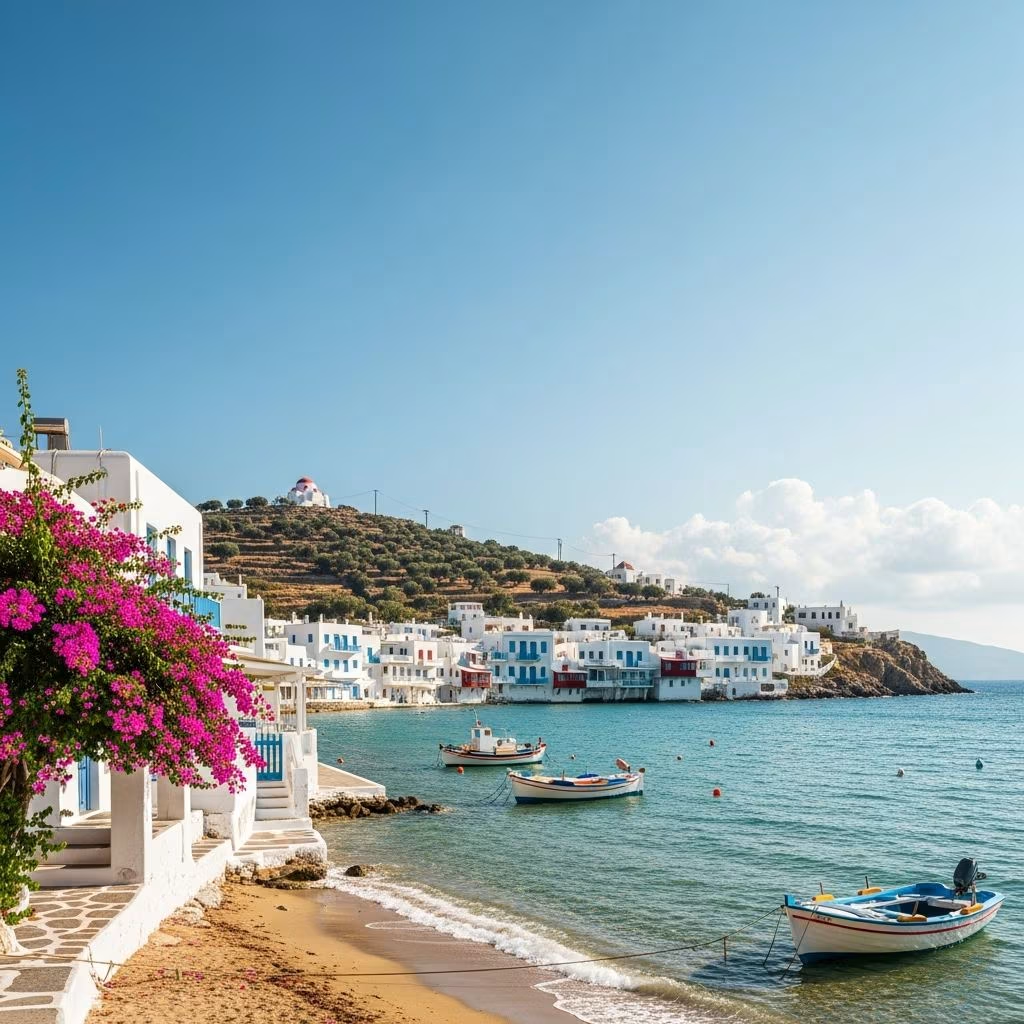
Greece leads worldwide rankings for the most pleasant climate, featuring 300 sunny days yearly, warm summers, gentle winters, and low humidity ideal for travelers.
 Travel Essentials
Recent meteorological analysis has positioned Greece at the forefront of nations with the most enjoyable atmospheric conditions worldwide. This Mediterranean paradise combines consistent warmth, abundant sunlight, and minimal discomfort factors, drawing adventurers and relaxation seekers alike throughout the seasons.
Experts evaluated climates across the globe using key metrics like average temperatures, relative humidity, hours of sunshine, and rainfall patterns. Greece excelled due to its rare ability to maintain comfort levels year-round without extremes that plague other regions.
This optimal mix stems from Greece’s geographic placement, surrounded by seas that moderate air masses and foster a classic Mediterranean pattern of long hot-dry periods followed by brief wet-mild intervals.
Greece’s weather varies gently by season, ensuring suitability for diverse activities regardless of travel timing.
| Season | Average High (°C/°F) | Low (°C/°F) | Sunshine Hours/Day | Key Features |
|---|---|---|---|---|
| Summer (Jun-Aug) | 30-35 / 86-95 | 20-25 / 68-77 | 12-14 | Dry, beach-perfect, ideal for islands |
| Spring (Mar-May) | 18-25 / 64-77 | 10-15 / 50-59 | 9-11 | Blooming landscapes, fewer crowds |
| Autumn (Sep-Nov) | 22-28 / 72-82 | 14-20 / 57-68 | 8-10 | Harvest vibes, warm seas |
| Winter (Dec-Feb) | 12-18 / 54-64 | 6-12 / 43-54 | 6-8 | Mild coasts, skiable mountains |
Coastal zones, home to most tourist spots, benefit from sea breezes that cool summer highs and warm winter lows, enhancing overall livability.
While uniform in appeal, Greece’s 6,000+ islands and mainland create nuanced microclimates.
Mainland Masterpieces: Athens and Thessaloniki see urban heat but oceanic influences keep averages comfortable at 27-32°C summers. Peloponnese offers inland cooler spots.
Cyclades Crown Jewels: Mykonos and Santorini deliver textbook dry heat with winds (meltemi) providing natural air conditioning up to 35°C.
Ionian Idylls: Corfu and Zakynthos enjoy wetter but warmer winters, with summers at 28-33°C and lush greenery.
Cretan Consistency: Europe’s largest island maintains steady 24-32°C summers and rare frosts, thanks to its southern latitude.
Mountains like Olympus provide chilly escapes for snow enthusiasts, contrasting balmy shores.
Beyond numbers, Greece’s weather amplifies its cultural and natural treasures. Sun-drenched ruins like the Acropolis glow invitingly, while azure waters beckon swimmers from May to October.
Health studies link such environments to improved mood and vitality, explaining Greece’s status as a top wellness destination.
Greece leverages its favorable conditions to promote eco-friendly travel. Protected areas flourish under balanced rain-sun cycles, supporting biodiversity hotspots.
Initiatives include:
This approach ensures the climate’s gifts endure for future generations.
To maximize enjoyment:
Monitor local forecasts via official apps for rare storms.
| Destination | Sunny Days/Year | Summer High (°C) | Winter Low (°C) | Humidity (%) |
|---|---|---|---|---|
| Greece | 300 | 32 | 10 | 50-60 |
| Spain | 280 | 34 | 8 | 55-65 |
| Australia | 250 | 30 | 5 | 60-70 |
| California | 290 | 28 | 7 | 50-65 |
Greece edges rivals with milder winters and steadier comfort.
While projections warn of warmer trends, Greece invests in adaptation like desalination and reforestation. Its baseline advantage positions it well against global shifts.
Yes, coastal areas stay mild above 10°C, perfect for culture and light hikes, though mountains offer snow sports.
December-February sees most showers, but they’re short, totaling under 100mm monthly in Athens.
Rarely; occasional heatwaves or island winds, but no hurricanes or blizzards in populated zones.
May or September: Warm, sunny, 20-30% cheaper than peak summer.
Southern like Crete warmer; northern windier but refreshing.
