

 Travel Essentials
 Travel Essentials

Explore the profound pull of returning to Japan, from efficient transport and cultural depth to culinary delights and serene landscapes that captivate repeat visitors.
 Travel Essentials
Japan exerts a magnetic pull on travelers who have once set foot on its soil. For those planning a return, the country promises not just familiarity but deeper layers of discovery amid its seamless blend of tradition and innovation. This guide draws from real traveler experiences to illuminate why Japan remains an unmatched destination.
The allure of Japan lies in its profound harmony between people, nature, and systems. Visitors often describe a society where respect and community form the bedrock, manifesting in everyday interactions and meticulously crafted environments. Repeat trips reveal nuances missed on first visits, such as the subtle artistry in urban parks or the quiet reverence in rural shrines.
Japan’s transportation network stands as a marvel of organization. Trains, subways, and buses form the backbone, connecting distant regions effortlessly. For returnees, mastering tools like the Japan Rail Pass or IC cards like Suica elevates the experience.
| Transport Option | Best For | Tips for Return Visitors |
|---|---|---|
| Shinkansen (Bullet Train) | Long-distance travel | Reserve seats in advance via apps; enjoy bento boxes onboard. |
| Local Trains/Subways | Urban hopping | Use Google Maps for real-time updates; avoid rush hours. |
| Buses | Rural areas | Check Hyperdia for schedules; exact change often required. |
Beyond movement, services like takuhaibin (luggage forwarding) allow hands-free travel, sending bags ahead to hotels while you sightsee unencumbered.
Food in Japan transcends sustenance, becoming a cultural dialogue. Return visitors crave authentic flavors: steaming ramen in hidden alleys, fresh sushi at bustling markets, or kaiseki meals showcasing seasonal ingredients. Konbini (convenience stores) offer surprisingly gourmet onigiri and bento, perfect for late-night snacks or picnics.
Ethical eating gains traction, with spots emphasizing sustainable sourcing. Try vegan temples or fisheries highlighting marine conservation, aligning indulgence with responsibility.
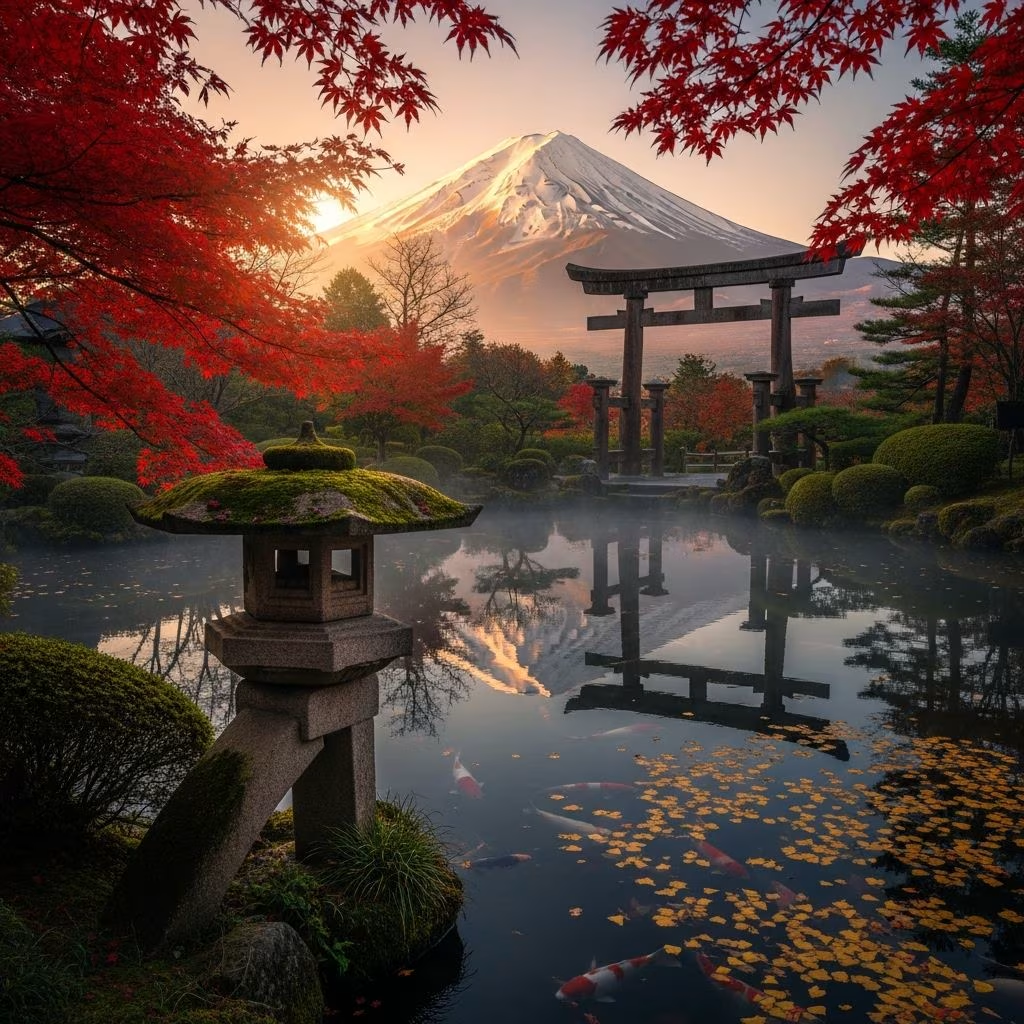
Japan’s landscapes breathe spirituality. Gardens like those in Kyoto mimic natural flows with manicured precision, while hikes in the Japanese Alps offer solitude amid peaks. Onsen (hot springs) provide restorative soaks, often in eco-conscious ryokans prioritizing minimal environmental impact.
Cultural sites deepen on revisits: Wander bamboo groves at Arashiyama or meditate in ancient temples. Festivals like cherry blossom hanami or autumn koyo viewing add seasonal magic.
Planning enhances joy. Book accommodations early, favoring minshuku (family-run guesthouses) for authentic stays. Learn basic phrases to bridge gaps, turning transactions into conversations.
Japan’s respect for nature inspires eco-travel. Opt for inns using renewable energy, support local artisans, and minimize plastic via reusable items. Participate in forest bathing (shinrin-yoku), a practice backed by health studies for stress reduction.
Choose operators promoting low-impact tours, preserving sites for future generations.
Tailored for those seeking depth over breadth:
| Day | Region | Highlights |
|---|---|---|
| 1-4 | Tokyo | Shibuya crossing, Meiji Shrine, teamLab digital art. |
| 5-8 | Kyoto | Fushimi Inari, Philosopher’s Path, geisha districts. |
| 9-11 | Hiroshima/Miyajima | Peace Memorial, floating torii gate, oyster feasts. |
| 12-14 | Hakone | Onsen soaks, Fuji views, black egg hikes. |
Language barriers fade with practice; apps and polite gestures suffice. Jet lag? Adjust with light meals and early walks. Crowds? Venture to lesser-known prefectures like Tohoku for tranquility.
Many recount emotional reunions: the thrill of vending machine coffee after years away, or deepening bonds through homestays. One traveler noted, “Japan’s efficiency lets you focus on wonder, not logistics.”
Not overly; budget JR Passes and konbini meals keep costs low. Expect $100-200 daily.
Spring (sakura) or fall (foliage) for beauty; shoulder seasons for fewer crowds.
Many nationalities get 90-day visa-free entry; check official sites.
Takuhaibin service is invaluable—forward bags nationwide affordably.
Exceptionally so, with low crime and helpful locals.
Returning to Japan rekindles a sense of belonging. Its people’s warmth, nature’s embrace, and systems’ grace create indelible memories. Prepare for serendipity: a chance onsen encounter or festival invitation. Japan evolves, yet its core—omotenashi hospitality—endures.
