


 Food & Culture
Food & Culture
Why San Francisco Is America’s Culinary Capital
San Francisco earned recognition as America's culinary capital through its diverse food scene, innovative chefs, and exceptional ratio of independent restaurants over chains.
 Food & Culture
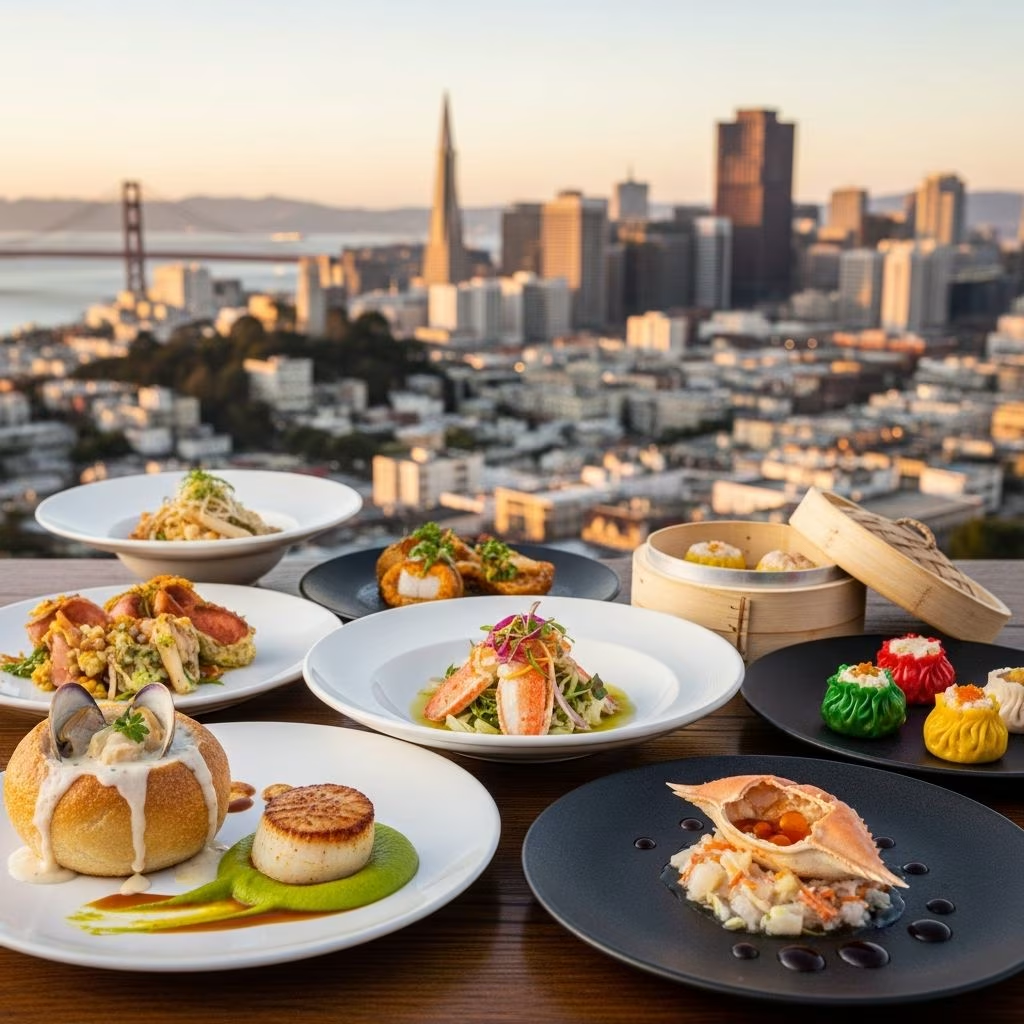
San Francisco has solidified its position as the United States’ foremost culinary hub, earning recognition through its exceptional blend of diverse cuisines, innovative cooking approaches, and a thriving independent restaurant ecosystem. The city’s food scene represents more than just a collection of dining establishments; it embodies a cultural movement that attracts forward-thinking chefs and passionate food professionals from around the globe. This distinction reflects decades of culinary evolution, cultural exchange, and an unwavering commitment to gastronomic excellence that continues to set the standard for American food cities.
The Metrics Behind the Title
San Francisco’s designation as America’s culinary capital emerged from comprehensive research analyzing multiple dimensions of urban food culture. A detailed study by Clarify Capital examined various factors that define what makes a city truly exceptional in its dining landscape. The evaluation process incorporated quantitative measures from multiple platforms to ensure accuracy and comprehensiveness in the assessment.
Evaluation Criteria Used in the Study
The ranking methodology considered several critical dimensions that collectively paint a picture of a city’s food culture vitality:
- Cuisine Diversity: The breadth and variety of culinary traditions represented within the city’s dining scene
- Restaurant Independence Ratio: The proportion of locally-owned establishments compared to large chain operations
- Quality Metrics: Average customer ratings across dining venues, indicating consistent quality standards
- Community Engagement: The volume and frequency of customer reviews, reflecting active dining participation
- Price Accessibility: Affordability factors ensuring dining experiences are accessible across economic segments
San Francisco scored an impressive 91.47 points out of 100 in this comprehensive evaluation, demonstrating exceptional performance across all measured categories. This remarkable score reflects the city’s consistent ability to deliver on multiple fronts simultaneously—maintaining both quality and diversity while preserving the character of independent establishments.
The Strength of Independent Dining
One of San Francisco’s most distinctive characteristics is its remarkably high ratio of independent restaurants to chain establishments. This metric represents far more than a simple statistical advantage; it reflects a philosophical commitment to culinary autonomy and authentic dining experiences. Independent restaurants typically embody the personality and vision of their operators, creating spaces where culinary creativity can flourish without conforming to standardized corporate models.
The prevalence of mom-and-pop establishments throughout San Francisco creates an ecosystem where emerging chefs can test innovative concepts, where traditional recipes meet modern techniques, and where restaurant owners maintain direct connections to their communities. This independence fosters an environment conducive to experimentation, risk-taking, and the kind of culinary boundary-pushing that defines a truly dynamic food city.
Cultural Diversity Reflected in Cuisine
San Francisco’s position as a major immigration gateway has fundamentally shaped its culinary landscape. The city’s food scene reflects the contributions of countless cultural communities, each bringing authentic culinary traditions refined through generations. This multicultural foundation creates an extraordinary dining environment where visitors and residents encounter genuine representations of global cuisines rather than simplified, Americanized interpretations.
The diversity extends beyond specific ethnic cuisines to encompass fusion approaches and innovative interpretations that emerge when culinary traditions intersect and influence one another. Chefs working in San Francisco benefit from access to authentic ingredients, community expertise, and an audience sophisticated enough to appreciate both traditional preparations and creative reinterpretations of classic dishes.
The Talent That Drives Excellence
San Francisco has historically attracted forward-thinking culinary professionals drawn to the city’s reputation for innovation and cultural openness. The concentration of passionate chefs deeply connected to the roots of their culinary traditions creates a competitive yet collaborative environment that continually elevates standards. These professionals recognize that San Francisco provides a platform where their work receives appropriate recognition and where they can build sustainable careers based on quality and authenticity.
The city’s culinary leadership attracts not only established chefs but also emerging talents seeking mentorship and opportunity. This generational transfer of knowledge and technique helps preserve traditions while simultaneously encouraging innovation. The presence of multiple James Beard Award winners, Michelin-starred establishments, and nationally recognized restaurants demonstrates San Francisco’s ability to compete at the highest levels of American gastronomy.
Regional Dominance in California Rankings
Beyond San Francisco’s individual achievement, the broader Clarify Capital study reveals California’s overwhelming presence in national culinary rankings, with the state claiming seven positions within the top ten food cities. This concentration suggests that California’s culinary excellence extends beyond a single metropolitan area, reflecting statewide advantages including agricultural bounty, cultural diversity, and a shared ethos of innovation.
San Francisco’s position at the pinnacle of this group underscores the city’s particular ability to synthesize these statewide advantages into an exceptionally cohesive food culture. While California offers many exceptional dining destinations, San Francisco has positioned itself as the epicenter of culinary creativity and excellence within the state.
Accessibility and Affordability
A critical aspect of San Francisco’s culinary success involves maintaining accessibility across economic segments. While the city certainly hosts high-end establishments commanding premium prices, the food culture equally celebrates modestly-priced establishments serving exceptional food. This democratization of culinary excellence ensures that visitors and residents from varying economic backgrounds can participate meaningfully in the food scene.
Street food vendors, food trucks, casual neighborhood spots, and fine dining establishments coexist within San Francisco’s restaurant landscape, creating multiple entry points for different budget levels and dining occasions. This vertical integration of price points and formality levels contributes significantly to the city’s overall food culture vitality.
Community Participation and Engagement
The volume of customer reviews and engagement metrics recorded across dining platforms reflects San Francisco residents’ and visitors’ active participation in food culture. This engagement demonstrates that the culinary scene isn’t merely appreciated by a small elite but instead commands broad attention and passion across the community. Active review participation suggests ongoing conversations about food quality, dining experiences, and restaurant performance that collectively shape establishment accountability and continuous improvement.
Innovation as a Cultural Value
San Francisco’s culinary reputation increasingly centers on the city’s embrace of innovative approaches to food preparation and presentation. This innovation extends beyond technique to encompass ingredient sourcing, menu development, restaurant concepts, and the entire dining experience architecture. Chefs in San Francisco feel empowered to experiment with non-traditional flavor combinations, modern cooking technologies, and conceptual frameworks that challenge conventional dining assumptions.
This cultural permission to innovate attracts culinary professionals who view cooking as an art form rather than simply a service function. The resulting environment stimulates continuous refinement and evolution, preventing culinary stagnation and ensuring that San Francisco remains at the forefront of American food culture.
Comparison with Other Major Food Cities
| Culinary Factor | San Francisco | Other Top Cities |
|---|---|---|
| Independent Restaurant Ratio | Highest in nation | Variable |
| Cuisine Diversity | Exceptional range | Limited by region |
| Chef Innovation Focus | High priority | Tradition-focused |
| Average Quality Ratings | 91.47/100 | Lower scores |
| Price Accessibility | Good variety | Limited options |
The San Francisco Approach to Dining
San Francisco’s restaurants reflect a particular philosophy about the relationship between food, community, and commerce. Rather than viewing restaurants purely as profit-maximizing enterprises, many operators prioritize experimentation, cultural preservation, and community building. This philosophical orientation attracts customers who view dining as an experience deserving investment beyond mere caloric sustenance.
The city’s food culture encourages meaningful restaurant experiences where diners engage with culinary professionals, learn about ingredient origins, and participate in dining events that transcend simple transaction models. This engagement level contributes substantially to the community integration that defines San Francisco’s food scene.
Future Trajectory of San Francisco’s Culinary Scene
San Francisco’s culinary leadership position appears likely to strengthen given the city’s demonstrated commitment to supporting food culture through infrastructure, talent attraction, and community engagement. The ongoing evolution of the food scene suggests continued innovation, expanding cuisine representation, and deepening connections between professional chefs and community members.
Emerging concerns about restaurant economics, labor costs, and changing consumer preferences present challenges that San Francisco’s food community must navigate thoughtfully. However, the city’s established track record of adaptation and innovation suggests resilience and continued excellence.
What Makes San Francisco Exceptional
San Francisco’s culinary capital status ultimately reflects the convergence of multiple factors functioning synergistically: geographic access to agricultural abundance, cultural diversity creating authentic cuisine variety, talented professionals drawn to the city’s reputation, community members passionate about food experiences, and an ethos that values independence, innovation, and quality over convenience and standardization.
This combination proves difficult for other cities to replicate because it requires sustained commitment across multiple dimensions simultaneously. San Francisco’s achievement represents not a momentary trend but rather the accumulation of decades of intentional food culture development and community participation.
Frequently Asked Questions
What study ranked San Francisco as America’s culinary capital?
Clarify Capital conducted a comprehensive study examining multiple dimensions of urban food culture, ultimately scoring San Francisco at 91.47 out of 100 points and ranking it as America’s number one food city.
How many California cities ranked in the top ten?
California dominated the rankings significantly, capturing seven of the top ten positions, with San Francisco at the number one position.
What factors contributed most to San Francisco’s ranking?
The evaluation considered cuisine diversity, the ratio of independent to chain restaurants, average customer ratings, review volume, and affordability. San Francisco performed exceptionally across all categories, with particularly strong performance in independent restaurant concentration.
How does San Francisco maintain its food culture leadership?
San Francisco attracts forward-thinking culinary professionals passionate about food traditions and innovation, benefits from cultural diversity, maintains strong independent restaurant presence, and embraces experimentation and continuous improvement.
References
- San Francisco Named America’s Food Capital in Clarify Capital Ranking — Patch. https://patch.com/california/san-francisco/ca-city-americas-food-capital-ranking
- Why San Francisco Serves the Best Food in the Country — The Bold Italic. https://www.thebolditalic.com/why-san-francisco-serves-the-best-food-in-the-country/
On This Page
The Metrics Behind the Title The Strength of Independent Dining Cultural Diversity Reflected in Cuisine The Talent That Drives Excellence Regional Dominance in California Rankings Accessibility and Affordability Community Participation and Engagement Innovation as a Cultural Value Comparison with Other Major Food Cities The San Francisco Approach to Dining Future Trajectory of San Francisco's Culinary Scene What Makes San Francisco Exceptional Frequently Asked Questions← Previous
Holland America 28-Day Alaska to Hawaii Cruise: Glaciers & Volcanoes
Next →
Lafayette, Louisiana: America’s Happiest City for 2025
Related Reading
More in Food & Culture
Food & Culture Food & Culture
 Food & Culture
Best Places to Eat in Rome: Neighborhood Dining Guide
 Food & Culture
 Food & Culture