

 Travel Essentials
 Travel Essentials

Explore San Francisco's position as California's most expensive tourist hub, analyzing accommodation, dining, and activity costs for budget-conscious travelers.
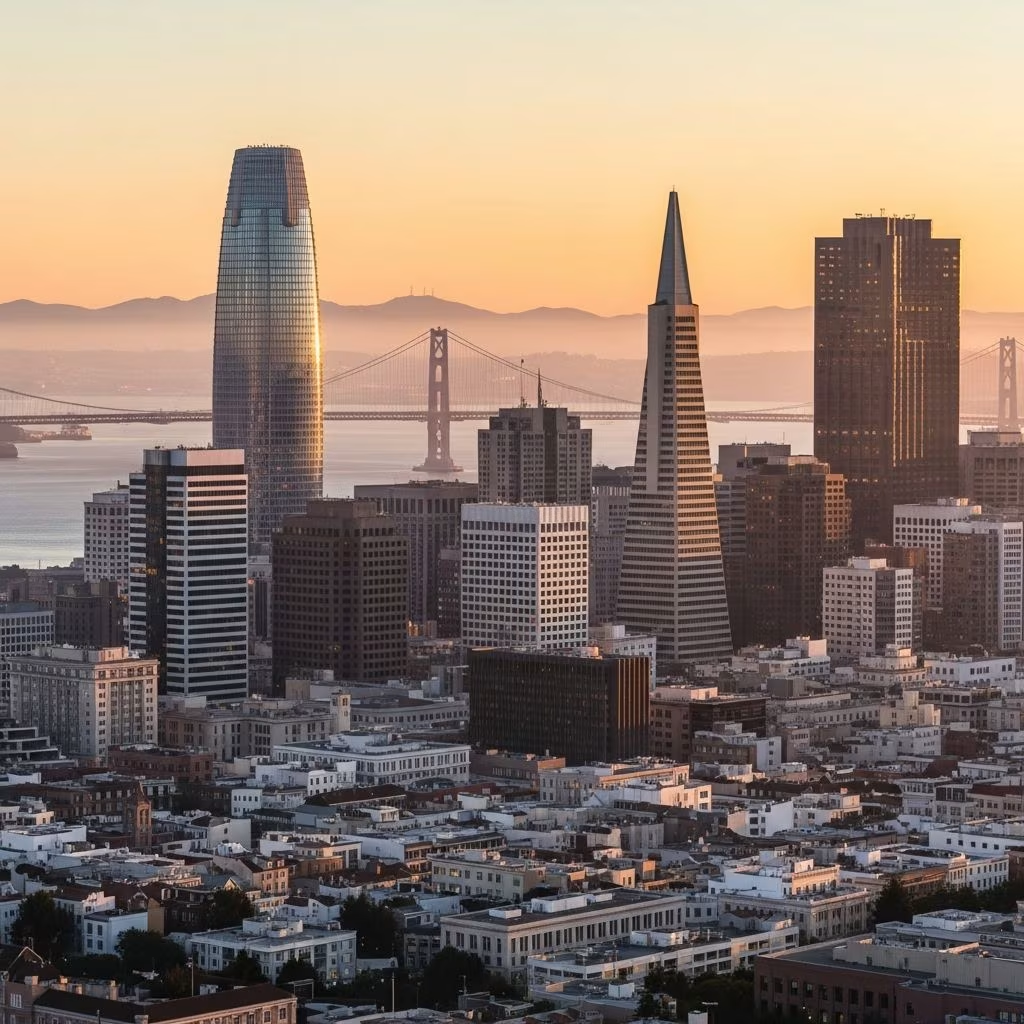 Travel Essentials
San Francisco has solidified its reputation as the most expensive travel destination within California, commanding premium prices across virtually every sector of the tourism economy. The city’s elevated costs extend far beyond a single category—from hotel accommodations to restaurant meals, transportation, and entry fees to iconic attractions. For travelers planning a visit to the Bay Area, understanding the financial landscape of this destination becomes essential for budget planning and expectation management.
The cost structure in San Francisco reflects multiple underlying factors that contribute to its position as both California’s most expensive tourist city and the fourth most expensive city globally for overall cost of living. These factors include limited housing inventory, high demand from both residents and visitors, proximity to the technology industry hub, and the city’s status as a major international tourism destination.
Hotel rates in San Francisco represent one of the most significant expenses for visitors, with pricing that frequently exceeds national averages by substantial margins. Downtown San Francisco hotels, particularly those near major attractions and transportation hubs, command rates that can reach several hundred dollars per night during peak travel seasons.
Beyond traditional hotels, alternative lodging options such as vacation rentals and boutique properties have emerged as popular choices. However, these alternatives frequently command comparable or higher prices than standard hotel accommodations, particularly in desirable neighborhoods like the Marina District, Haight-Ashbury, or near the waterfront areas.
San Francisco’s culinary scene represents another substantial drain on tourist budgets, with the city hosting some of the nation’s most acclaimed restaurants alongside countless casual dining establishments—all operating at premium price points. The food culture reflects the city’s wealth, international appeal, and concentration of high-income residents and visitors willing to pay for quality cuisine.
Fine dining establishments in San Francisco consistently rank among America’s most expensive restaurants, with tasting menus at Michelin-starred venues often exceeding $200 to $400 per person before beverages and gratuity. Even moderately casual restaurants serving lunch or dinner typically charge 40-60% more than comparable establishments in other major U.S. cities.
Street food and food trucks offer slightly more affordable options, though even casual food cart meals often cost $12 to $18. The city’s famous food scenes in neighborhoods like the Mission District and North Beach, while offering excellent quality, maintain pricing aligned with the overall San Francisco premium.
Moving around San Francisco as a visitor involves multiple cost considerations, from public transit passes to rideshare services and attraction-specific transportation. The complexity of the transportation system requires visitors to understand their options to avoid overspending.
Public transportation through the Bay Area Rapid Transit (BART) system and local buses provides economical mobility, with day passes offering better value than individual trips. Rideshare services like Uber and Lyft, while convenient, accumulate quickly in cost, particularly for multiple daily trips or travel during surge pricing periods.
Parking in San Francisco represents a hidden expense that catches many visitors off-guard, with street parking extremely limited and garage parking in popular areas costing $40 to $60 daily or more. This reality makes car ownership impractical for tourism purposes, and most visitors rely on public transit and rideshare services.
San Francisco’s world-famous attractions each carry individual admission fees that collectively consume significant portions of visitor budgets. The city’s iconic status means attractions maintain premium pricing despite substantial visitor volume.
| Attraction | Typical Admission Cost | Notes |
|---|---|---|
| Alcatraz Island Tour | $40 to $45 | Audio guide included; ferry transit included |
| Golden Gate Bridge Experience | Free to cross | Vista point parking may apply; paid attractions on bridge available |
| Cable Car Rides | $8 per ride | Day passes available; iconic experience |
| California Academy of Sciences | $35 to $40 | Museum with aquarium and planetarium |
| Asian Art Museum | $15 to $20 | Variable pricing by exhibition |
| De Young Museum | $15 to $20 | Tower observation deck included |
| Fisherman’s Wharf Attractions | $5 to $30 | Sea Lion Center free; Aquarium $35+ |
Many museums and cultural institutions offer free or discounted hours during specific weekday periods, allowing budget-conscious travelers to experience attractions at reduced costs. However, these periods often attract larger crowds, requiring patience and flexibility in scheduling.
Beyond necessities, shopping and entertainment activities in San Francisco present numerous opportunities to exceed budget constraints. The city’s retail environment ranges from high-end luxury brands to independent boutiques, with pricing consistently higher than comparable shops in other regions.
Entertainment venues including theaters, concert halls, and sports events operate at premium price levels. Professional sports teams like the Warriors (basketball), 49ers (football), and Giants (baseball) command ticket prices that frequently exceed $75 to $200+ for decent seating during regular season games.
When evaluated against other major California travel destinations, San Francisco’s cost structure stands distinctly higher. Los Angeles, San Diego, and other popular California destinations offer comparable attractions and experiences at noticeably lower price points, often 20-40% below San Francisco equivalents.
The differential reflects San Francisco’s geographic constraints, limited development space, and positioning as a primary international gateway for Silicon Valley and Northern California business travelers.
Understanding seasonal pricing patterns helps visitors strategically plan trips to minimize expenses. San Francisco experiences significant seasonal variation in tourism demand, which directly correlates with accommodation and attraction pricing.
Avoiding peak summer travel and holiday periods can substantially reduce overall trip costs, often enabling savings of $500 to $1,000+ for week-long visits.
Travelers visiting San Francisco can implement various strategies to manage expenses without sacrificing core experience quality. Strategic planning before arrival enables informed decision-making that balances cost management with destination enjoyment.
Budget travelers might plan $150-200 daily for accommodation plus $50-80 for meals and activities. Mid-range budgets might allocate $250-350 daily. Luxury travelers should anticipate $400+ daily expenditures.
Yes, numerous free or low-cost activities exist including walking across the Golden Gate Bridge, exploring parks, visiting waterfront areas, viewing murals in the Mission District, and accessing museums during designated free hours.
San Francisco ranks among the world’s most expensive cities, comparable to New York City and Boston for tourism costs. Most other major U.S. cities offer substantially lower pricing across all categories.
November through February (excluding holidays) typically feature the lowest prices and smaller crowds. September and October offer pleasant weather with moderate pricing and reasonable visitor volumes.
Yes, San Francisco consistently maintains higher prices across hotels, restaurants, and many attractions compared to Los Angeles, despite both being premium California destinations.
