


 Food & Culture
Food & Culture
Why Spaniards Eat Dinner So Late
Explore the roots, regional variations, and social magic of Spain's late-night dining culture, from tapas crawls to family gatherings that redefine evening rituals.
 Food & Culture
Spain’s dining customs stand out globally for their unhurried pace and nocturnal timing. While many cultures wrap up evening meals by early night, Spaniards often begin theirs around 10 p.m. or later, transforming dinner into a prolonged celebration of food, conversation, and camaraderie. This practice stems from a blend of climate, history, and deep-seated social values that prioritize communal enjoyment over strict schedules.
The Historical Roots of Evening Indulgence
Spain’s tendency to dine late traces back centuries, influenced by its Mediterranean climate and agrarian lifestyle. Hot afternoons historically prompted siestas, shifting active hours to cooler evenings. This pattern persists today, with daily routines adapting to warmer temperatures in southern regions. Families and friends gather as temperatures drop, making outdoor terraces ideal for extended meals.
During the Franco era and earlier, work and school schedules aligned with this rhythm, reinforcing late suppers as a norm. Modern Spain maintains this through cultural inertia, where restaurants rarely close before 1 a.m., accommodating patrons who view dining as an event rather than a necessity.
Daily Rhythms That Shape Supper Time
A typical Spanish day revolves around distinct meal times. Breakfast is light and early, followed by a substantial almuerzo (lunch) between 2 p.m. and 4 p.m., often the largest meal. This leaves room for a mid-afternoon snack, or merienda, sustaining people until the late dinner hour. Such structuring prevents hunger during extended evenings, allowing dinners to focus on leisure.
- Lunch (Almuerzo): Hearty dishes like paella or stew, shared in groups.
- Merienda: Coffee with churros or toast, bridging the gap to night.
- Dinner (Cena): Lighter fare, emphasizing tapas and drinks.
This cadence fosters a relaxed lifestyle, where evenings unfold slowly under starlit skies.
Tapas: The Heartbeat of Late-Night Socializing
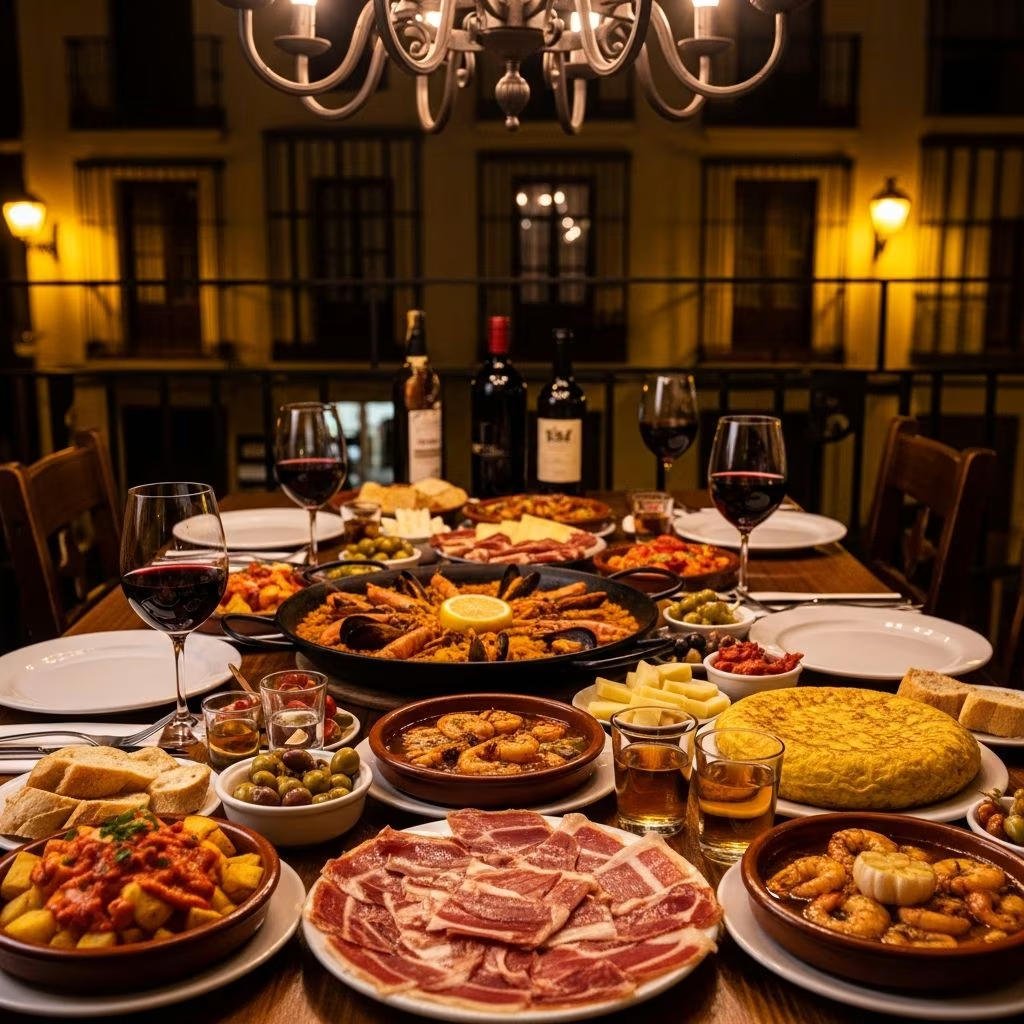
No discussion of Spanish late dining omits tapas, those petite plates designed for sharing. Originating in Andalusia, tapas culture encourages bar-hopping, or ruta de tapas, where groups sample bites like patatas bravas, jamón ibérico, and gambas al ajillo across venues. Each stop pairs food with local wines or beers, extending the night naturally.
In cities like Seville and Granada, tapas bars overflow post-10 p.m., with patrons lingering over animated discussions. This format suits late hours, as small portions keep energy high without heaviness, perfect for dancing or further socializing afterward.
| Region | Tapas Signature | Dining Peak |
|---|---|---|
| Andalusia | Fried fish, salmorejo | 11 p.m. – 2 a.m. |
| Basque Country | Pintxos, txakoli wine | 10 p.m. – 1 a.m. |
| Catalonia | Calçots, escalivada | Midnight onwards |
| Madrid | Oreja (pig’s ear), callos | 10:30 p.m. – 3 a.m. |
Regional Twists on Nocturnal Noshes
Spain’s diversity shines in its regional adaptations of late dining. In sun-baked Andalusia, meals migrate outdoors as night cools, with flamenco shows complementing gazpacho and espetos de sardinas. Northern areas like Galicia feature earlier but still tardy seafood feasts, such as pulpo a la gallega, savored in coastal tabernas.
Barcelona’s Gothic Quarter pulses with late-night pa amb tomàquet and vermut sessions, while Madrid’s bustling plazas host cocido madrileño gatherings until dawn. These variations highlight how local climates and traditions tailor the national habit.
Family and Community at the Late Table
Beyond bars, home-cooked dinners reinforce bonds. Multi-generational families convene around simple yet flavorful meals like tortilla española or lentejas, prioritizing stories over speed. This ritual underscores Spain’s communal ethos, where food bridges generations and strengthens ties.
Weekends amplify this, with tertulias—informal chats over drinks—morphing into all-nighters. Such practices cultivate resilience against early bedtimes, embedding late dining in the cultural DNA.
The Economic Pulse of Nighttime Gastronomy
Spain’s hospitality sector thrives on this chronology. Thousands of establishments extend hours, employing night shifts that boost local economies. In 2023, tourism data showed over 80 million visitors drawn to this vibrancy, many citing nightlife as a highlight. Bars and restaurants in key cities generate peak revenue post-9 p.m., sustaining jobs and innovation in cuisine.
Navigating Late Dinners as a Visitor
For newcomers, adapting unlocks authentic experiences. Arrive hungry around 10 p.m., embrace sharing, and pace yourself. Opt for menú del día early or dive into tapas trails. Respect the unhurried vibe—rushing signals outsider status.
- Reserve ahead in popular spots, especially weekends.
- Pair meals with regional drinks like rioja or sidra.
- Explore neighborhoods post-dinner for live music or strolls.
Health and Lifestyle in the Late-Eating Nation
Critics question if late meals disrupt sleep or digestion, yet Spaniards counter with portion control and activity. Walking between bars aids digestion, and lighter dinners mitigate issues. Studies from European health bodies note no significant obesity disparity despite timings, attributing balance to Mediterranean diets rich in olive oil and vegetables.
Seasonal Shifts in Supper Habits
Summer intensifies lateness, with festivals like La Tomatina or Feria de Abril fueling all-night feasts. Winter brings cozier indoor gatherings, though timings hold firm. Holidays such as Nochebuena feature epic late spreads, blending tradition with indulgence.
FAQs
What time do Spaniards typically eat dinner?
Most dinners start between 9 p.m. and 11 p.m., peaking around 10:30 p.m. on weekdays and later on weekends.
Why is Spanish dinner so late compared to other countries?
Hot climates, siesta traditions, late work finishes, and a cultural emphasis on social meals contribute to this shift.
Are late-night restaurants common everywhere in Spain?
Yes, especially in urban areas and tourist hubs; rural spots may wind down earlier but still later than northern Europe.
What’s the best way to experience tapas culture?
Bar-hop in groups, ordering a variety of small plates and drinks at each stop for a progressive feast.
Can families dine out late with children?
Absolutely—Spanish culture accommodates all ages, with kids often joining until midnight or later.
Global Echoes and Modern Evolutions
Spain’s model inspires cities worldwide, from New York’s tapas bars to Tokyo’s late izakayas. Yet, globalization introduces earlier options for internationals, blending old with new. Amid tourism booms, core traditions endure, ensuring late feasts remain a hallmark.
This nocturnal rhythm captures Spain’s zest for life—vibrant, inclusive, and eternally welcoming. Whether savoring croquetas under moonlight or debating politics over vino, late dining embodies the nation’s joyful spirit.
References
- Why Do Spaniards Eat So Late in the Evening? Explained — Immo Abroad. 2023. https://www.immoabroad.com/spain/why-do-spaniards-eat-so-late-in-the-evening-explained
- Spain: Country Profile — Instituto Nacional de Estadística (INE). 2024-01-15. https://www.ine.es/dyngs/INEbase/en/operacion.htm?c=Estadistica_C&cid=1254736176781&menu=ultiDatos&idp=1254735576581
- Mediterranean Diet and Lifestyle Patterns — World Health Organization (WHO). 2023-06-20. https://www.who.int/europe/news-room/fact-sheets/item/mediterranean-diet
- Tourism Statistics Spain 2023 — Instituto Nacional de Estadística (INE). 2024-02-28. https://www.ine.es/dyngs/INEbase/es/operacion.htm?c=Estadistica_C&cid=1254736177012&menu=ultiDatos&idp=1254735576863
- Cultural Practices in Spanish Gastronomy — Universidad de Barcelona (Academic Study). 2022-11-10. https://www.ub.edu/web/ub/en/estudis/oferta_formativa/graus/fitxa/G/G1017/index.html
On This Page
The Historical Roots of Evening Indulgence Daily Rhythms That Shape Supper Time Tapas: The Heartbeat of Late-Night Socializing Regional Twists on Nocturnal Noshes Family and Community at the Late Table The Economic Pulse of Nighttime Gastronomy Navigating Late Dinners as a Visitor Health and Lifestyle in the Late-Eating Nation Seasonal Shifts in Supper Habits FAQs Global Echoes and Modern Evolutions← Previous
How to Drink Mate in Argentina: A Complete Guide
Next →
Best Day Trips from Tokyo: Fuji, Nikko, Hakone & More
Related Reading
More in Food & Culture
Food & Culture Food & Culture
 Food & Culture
Best Places to Eat in Rome: Neighborhood Dining Guide
 Food & Culture
 Food & Culture