

 Travel Essentials
 Travel Essentials

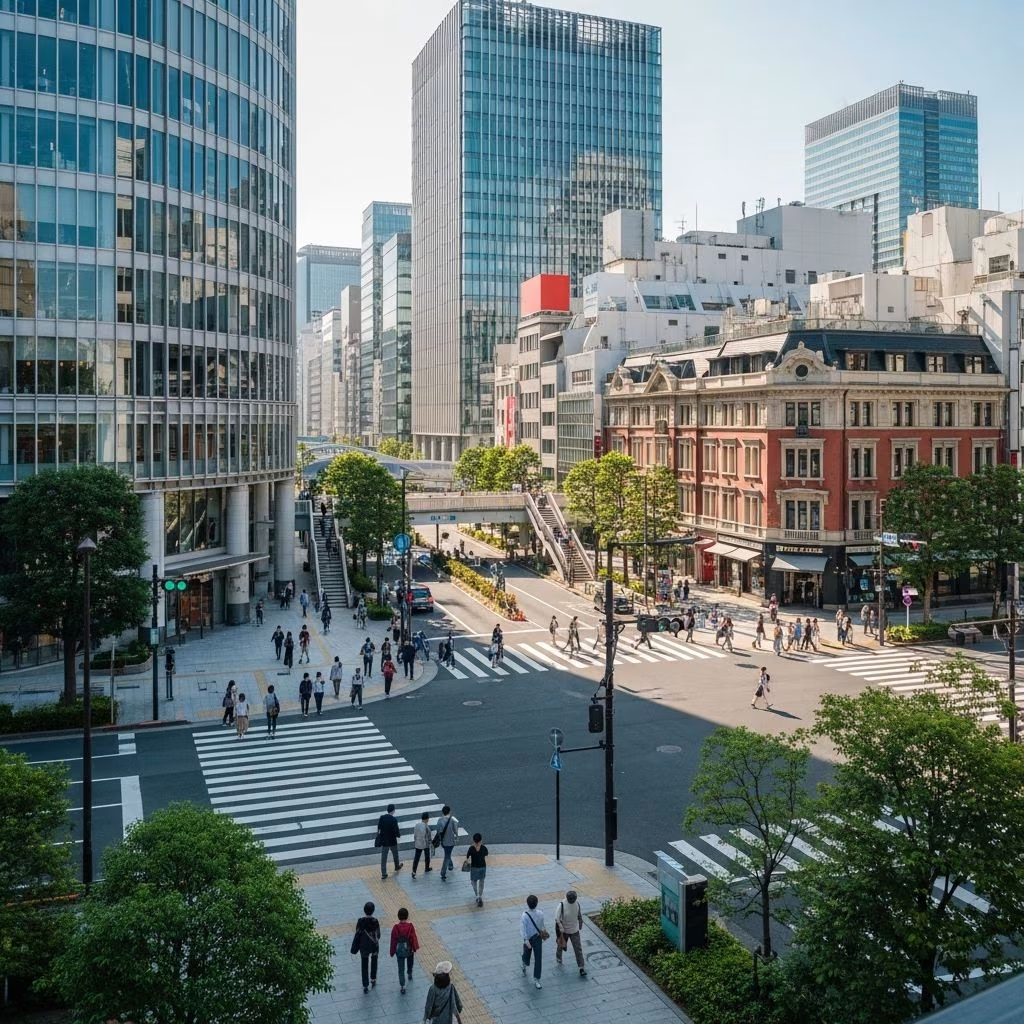
Tokyo earns the crown as Asia's most walkable city, thanks to its vast pedestrian networks, safe streets, and proximity of attractions that make strolling a joy.
 Travel Essentials
Tokyo stands out as Asia’s premier destination for pedestrians, offering an unmatched network of pathways that connect vibrant neighborhoods, historic sites, and modern marvels with ease. This recognition stems from comprehensive analyses highlighting the city’s thoughtful urban planning and infrastructure dedicated to foot traffic.
At the heart of Tokyo’s walkability lies its expansive system of sidewalks and pedestrian zones, designed to handle the daily movement of millions without congestion. Broad pathways accommodate crowds in bustling areas like Shibuya, while quieter routes wind through residential districts and green spaces. This infrastructure not only facilitates smooth navigation but also invites spontaneous discoveries, from street vendors to tucked-away temples.
Safety plays a pivotal role, with streets maintained to impeccable standards—spotless and well-lit around the clock. Public restrooms, abundant and pristine, add to the comfort, ensuring long walks remain pleasant. The city’s layout clusters amenities such as cafes, retail outlets, and entertainment venues within short distances, reducing reliance on vehicles and fostering a vibrant street life.
Tokyo’s walkability extends beyond standalone paths through its synergy with world-class public transportation. Efficient trains and subways deposit passengers directly into walkable hubs, minimizing transfer times and maximizing exploration on foot. Stations feature clear signage and pedestrian bridges, linking transit seamlessly to surrounding attractions.
This interconnectedness means visitors can pair short walks with quick rides, covering vast areas effortlessly. For instance, emerging from a station in Shinjuku places one amid skyscrapers, eateries, and gardens, all reachable in minutes on foot.
Tokyo’s districts showcase diverse walking experiences tailored to different interests. Shibuya’s famous crossing buzzes with energy, flanked by shops and observation decks ideal for people-watching. Nearby Harajuku blends youth culture with Meiji Shrine’s tranquil paths, offering a shift from neon lights to shaded forests.
These zones exemplify how Tokyo balances density with accessibility, turning routine walks into cultural immersions.
Embracing Tokyo’s pedestrian culture promotes physical well-being amid urban living. Daily walks contribute to the low obesity rates observed in Japan, as residents integrate movement into routines like commuting to local markets or parks. Tourists benefit similarly, burning calories while absorbing the city’s rhythm.
Environmental perks abound too; fewer cars mean cleaner air and reduced noise, enhancing the sensory pleasure of strolling. The design encourages mindfulness, with seasonal changes—autumn leaves in Yoyogi Park or spring sakura—adding poetic layers to each outing.
While Tokyo leads, other Asian cities shine in walkability, though they differ in scale and focus. Here’s a comparison:
| City | Key Walkable Features | Standout Attractions | Unique Edge |
|---|---|---|---|
| Tokyo, Japan | Broad sidewalks, pedestrian zones, transit links | Shibuya Crossing, Meiji Shrine | Scale and safety for 13M residents |
| Kyoto, Japan | Temple trails, historic streets | Fushimi Inari, Gion district | Cultural depth |
| Singapore | Gardens by the Bay paths, clean promenades | Marina Bay Sands | Tropical greenery |
| Seoul, South Korea | Han River trails, palace grounds | Gyeongbokgung Palace | Mountainous hikes |
| Hanoi, Vietnam | Old Quarter alleys, lake loops | Hoan Kiem Lake | Street food vibrancy |
Tokyo’s edge lies in its comprehensive infrastructure supporting massive populations, outpacing peers in consistency.
To maximize your walks:
Seasonal considerations matter: summer humidity demands light clothing, while winter offers crisp, crowd-free paths.
Beyond metrics, Tokyo’s walkability reflects a cultural ethos prioritizing harmony between people and cityscape. Sidewalks double as social spaces, where salarymen grab coffee and families picnic. This human-scale design, honed over decades, makes the metropolis feel intimate.
For travelers, it translates to authentic encounters—chatting with locals at izakayas or photographing lanterns at dusk—unlocked by foot-powered discovery.
Yes, with spotless, well-lit streets and low crime rates, it’s secure day and night.
Locals often hit 10,000+ steps, thanks to clustered amenities and transit habits.
Absolutely—suburbs like Kamakura offer coastal trails and temples reachable by short trains.
Spring (cherry blossoms) or autumn (cool foliage) provide ideal weather and scenery.
Yes, parks, zoos, and flat paths cater well, with stroller-friendly designs prevalent.
Tokyo’s pedestrian focus aligns with eco-goals, cutting emissions via reduced car use. Initiatives like bike lanes complement walks, promoting multimodal travel. Visitors contribute by choosing feet over taxis, preserving the city’s low-carbon allure.
Future plans include expanding green corridors, ensuring walkability evolves with sustainability in mind.
