

 Travel Essentials
 Travel Essentials

Administrative errors marking U.S. passports as lost are causing detentions and travel disruptions. Explore real cases, causes, and prevention strategies for seamless trips.
 Travel Essentials
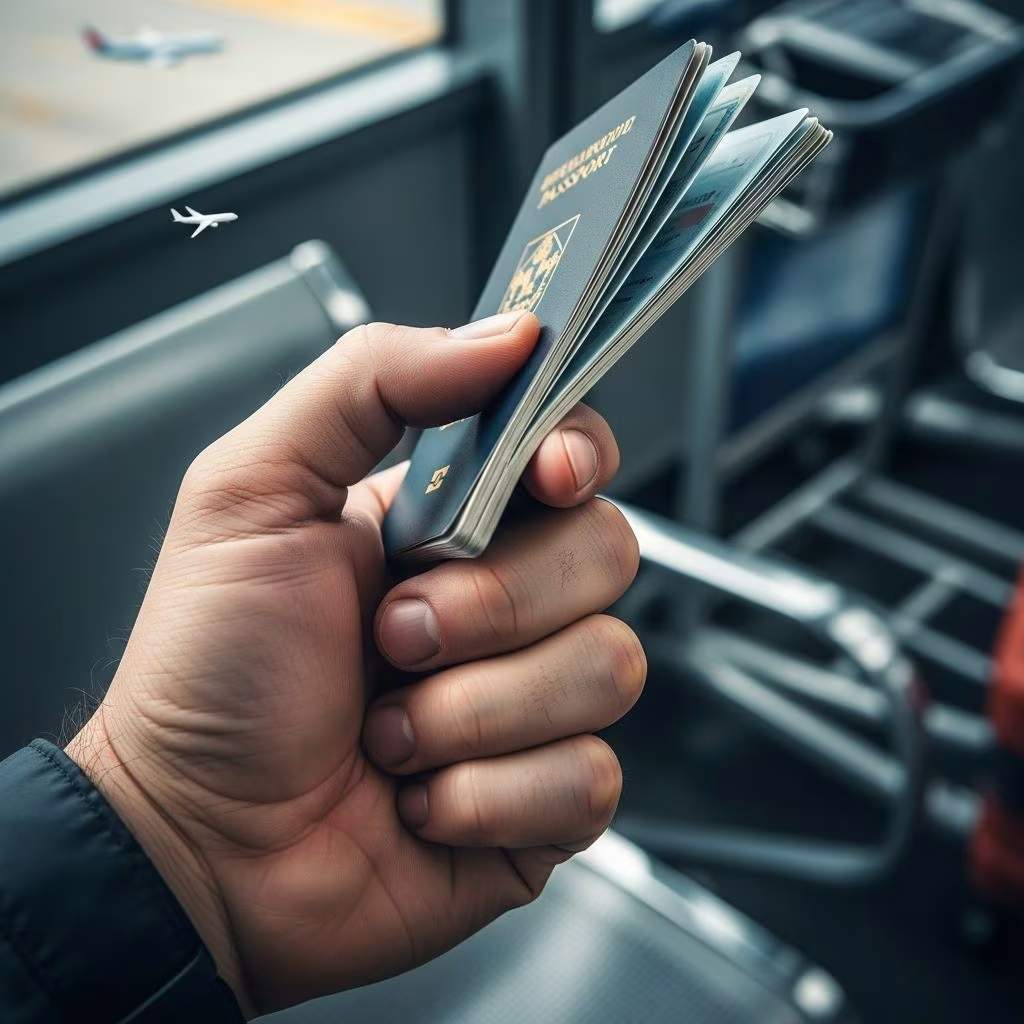
Imagine arriving at your dream destination only to be turned away or detained because your passport has been mysteriously flagged as lost or stolen. This nightmare has become reality for numerous U.S. citizens, highlighting a troubling flaw in passport management systems. These incidents disrupt vacations, business trips, and family reunions, often leaving travelers in limbo at foreign airports or borders.
Recent reports reveal a surge in cases where valid U.S. passports are invalidated without the owners’ knowledge. Travelers report smooth departures from the U.S. but face chaos upon arrival overseas. Airlines and border officials, relying on real-time databases, deny boarding or entry, citing the passport as compromised. This issue spans multiple countries, affecting leisure seekers and professionals alike.
One common thread in these stories is the timing: flags appear shortly after passport issuance or renewal. Victims describe receiving their documents normally, only to learn later—sometimes mid-trip—that they were reported lost or stolen through official channels. The U.S. Department of State, responsible for passport services, has acknowledged isolated errors but maintains that systemic fraud or hacks are not at play.
Passport invalidation typically occurs when owners report documents as lost or stolen via the State Department’s online portal or mail. This process requires sensitive details like passport number, date of birth, and Social Security information for verification. Yet, affected travelers insist they never initiated such reports. Possible culprits include:
Investigations point to no single cause, frustrating both travelers and officials. Airlines disclaim responsibility, noting they scan documents against global watchlists but cannot override flags without embassy intervention.
Consider the case of a family vacationing in Europe. Their passports cleared U.S. customs effortlessly, but upon landing in Paris, authorities detained them for hours. The documents were listed as stolen weeks earlier—before the family even departed. Stranded without immediate recourse, they relied on credit cards for emergency hotel stays while awaiting consular aid.
Another incident involved a business executive in Asia. Mid-conference, his return flight was blocked due to a “lost” status update flagged just days after renewal. He spent three days coordinating with the U.S. embassy, missing deadlines and incurring thousands in fees. These stories echo across forums and news outlets, with dozens reported in recent months.
| Case Study | Location | Issue Timeline | Resolution Time | Financial Impact |
|---|---|---|---|---|
| Family Vacation | Europe | Flagged pre-departure | 48 hours | $2,500+ |
| Business Trip | Asia | Post-renewal | 72 hours | $4,000+ |
| Solo Traveler | Latin America | During stay | 24 hours | $1,200 |
This table summarizes anonymized cases, illustrating patterns in disruption and costs. Delays average 2-3 days, with expenses covering hotels, meals, and rushed replacements.
International aviation protocols mandate checking passports against Interpol’s Stolen and Lost Travel Documents (SLTD) database. Once flagged, no airline can board the holder without clearance, as doing so risks fines or aircraft grounding. Border agents similarly enforce this, prioritizing security over individual pleas.
U.S. citizens abroad must contact the nearest embassy or consulate for emergency services. These offices verify status, issue temporary travel documents, or expedite replacements—but processes take time, especially during peak seasons.
Proactive steps can mitigate risks. Start by routinely verifying your passport’s status through official channels before travel.
For high-risk itineraries, apply for a second passport, approved for those with pending visas or frequent travel needs. This provides a fallback if one is compromised.
If denied boarding or entry, remain calm and follow this protocol:
Expect 24-72 hours for resolution, longer in remote areas. Document everything for potential reimbursements.
The State Department is enhancing database audits and fraud detection. Public advisories urge pre-travel checks, and new verification tools are in development. Travelers report faster resolutions as awareness grows, but vigilance remains key.
Experts recommend legislative pushes for real-time owner notifications on status changes, reducing surprise invalidations.
Visit travel.state.gov and use the passport status tool with your application details. Call 1-877-487-2778 for verbal confirmation.
No, international carriers and borders will deny you. Seek embassy assistance abroad.
This suggests erroneous reporting. Contact the National Passport Center immediately to correct records.
Possible, but many stem from processing errors. Monitor personal data regardless.
Yes, if you travel often—apply via Form DS-82 with justification.
These errors erode trust in U.S. travel documents, prompting airlines to tighten scrutiny. Frequent flyers face heightened stress, while tourism sectors in affected regions see booking dips. Broader reforms could include blockchain-secured ledgers for immutable status tracking, ensuring transparency.
Travelers must adapt: diversify documentation, embrace digital wallets for proofs, and stay informed via official alerts. By understanding vulnerabilities, you reclaim control over your adventures.
