

 Travel Essentials
 Travel Essentials

Explore the psychology behind feeling braver on vacation: stress relief, creativity boosts, and neural rewiring for lasting personal growth.
 Travel Essentials
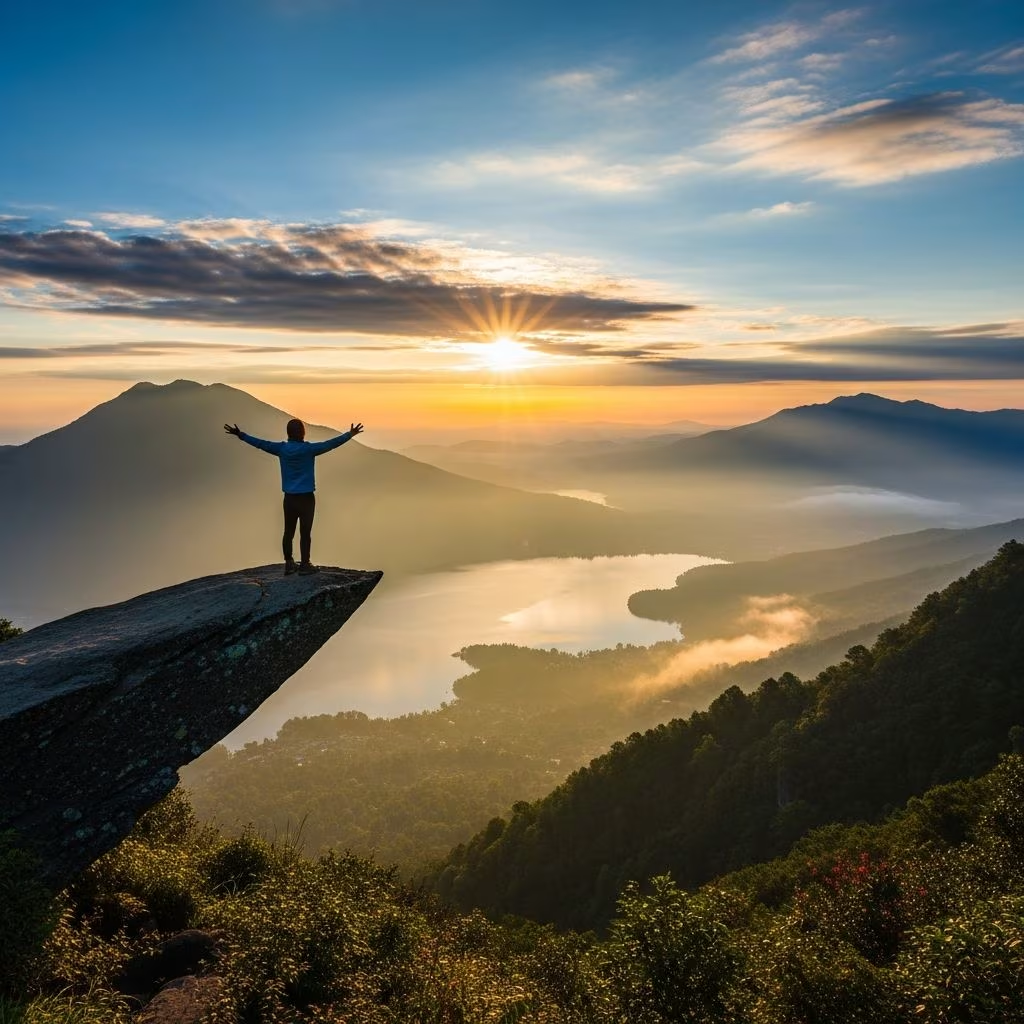
Vacations ignite a unique sense of courage that everyday life rarely matches. Psychologists explain this through reduced stress hormones, novel experiences, and temporary freedom from routines, fostering boldness in decisions and actions.
Daily life floods the body with **cortisol**, the primary stress hormone, impairing focus and decision-making. Vacations interrupt this cycle by lowering cortisol levels, as shown in studies tracking hormone changes post-trip. This biochemical shift creates mental clarity, making risky choices—like trying exotic foods or striking conversations with strangers—feel less daunting.
Research from Gump and Matthews (2000) demonstrates how time away directly correlates with cortisol reduction, enhancing mood and resilience. Cleveland Clinic experts note that escaping routine pushes the brain beyond its comfort zone, forming new neural connections that promote adaptability.
Travel exposes us to unfamiliar environments, rewiring the brain through **neuroplasticity**—the ability to form new pathways. Neuroscientists highlight how novel sights, sounds, and interactions challenge preconceptions, building confidence. This mirrors why vacationers experiment more freely; the stakes feel lower away from home scrutiny.
A University of Massachusetts study of over 800 travelers found that perceived control over plans and skill-building activities (e.g., learning local phrases) heighten stress relief and empowerment. Finnish research on winter getaways confirmed elevated well-being during trips, though effects wane post-return.
| Factor | Impact on Bravery | Evidence |
|---|---|---|
| New Environments | Reduces inhibition | Neural pathway growth |
| Skill Mastery | Boosts self-efficacy | UMass study |
| Anticipation | Pre-trip mood lift | Dutch happiness research |
Stepping away from work routines allows the brain to reorganize, sparking innovation. Fritz and Sonnentag (2006) observed post-vacation workers exhibiting heightened creativity and efficiency. Boredom during downtime, free from constant stimulation, fosters idea generation—explaining bold creative pursuits on trips, like impromptu art or adventures.
Dr. Albers from Cleveland Clinic emphasizes that vacations reset overstressed brains, improving problem-solving via fresh perspectives. This mental recharge explains why many return with renewed vigor for personal risks, such as career changes or hobbies.
Group travel deepens relationships, enhancing communication and satisfaction. Shahvali et al. (2019) found couples vacationing together report stronger ties than those apart. Free time without obligations allows vulnerability, fostering trust and bravery in emotional openness.
Psychology Today reviews affirm vacations’ role in well-being, particularly when detaching from work. Shared novel experiences create lasting memories, reducing relational stress and encouraging courageous conversations back home.
Benefits peak during trips but fade within weeks, per a 2009 systematic review. However, planning alone boosts happiness for up to eight weeks beforehand, per Dutch studies. Longer vacations offer deeper relief, especially with control and detachment.
Post-vacation blues hit many, termed “post-vacation syndrome” by experts like Andrew Stevenson, PhD. Yet, adopting a “travel mindset” at home—seeking novelty locally—prolongs gains.
Maximize bravery by design:
Columbia psychologist Erin Engle, PsyD, advocates even micro-vacations like park visits for restoration.
Not all trips enhance bravery. Overpacked itineraries mimic work stress, per UMass findings. Travel anxiety affects many; preparation like gradual exposure mitigates it.
| Pitfall | Solution |
|---|---|
| Poor planning | Build flexibility |
| Work intrusion | Set boundaries |
| Cultural clashes | Research mindfully |
Lower cortisol, novelty, and routine escape reduce inhibitions, per psychological studies.
Immediate highs fade in weeks, but planning and reflection extend gains.
Yes, weekends improve mood and creativity temporarily.
It amplifies self-reliance, though group trips strengthen bonds.
Seek local novelties and maintain detachment practices.
Vacations prove we’re capable of more. By harnessing these psychological shifts—stress reduction, creativity, and connection—we can infuse daily life with vacation-like audacity. Next getaway: design it for maximum transformation.
