

 Travel Essentials
 Travel Essentials

Discover Sharjah’s cultural depth, authentic souks, waterfronts, and museums—an underrated UAE destination for travelers seeking a slower pace.
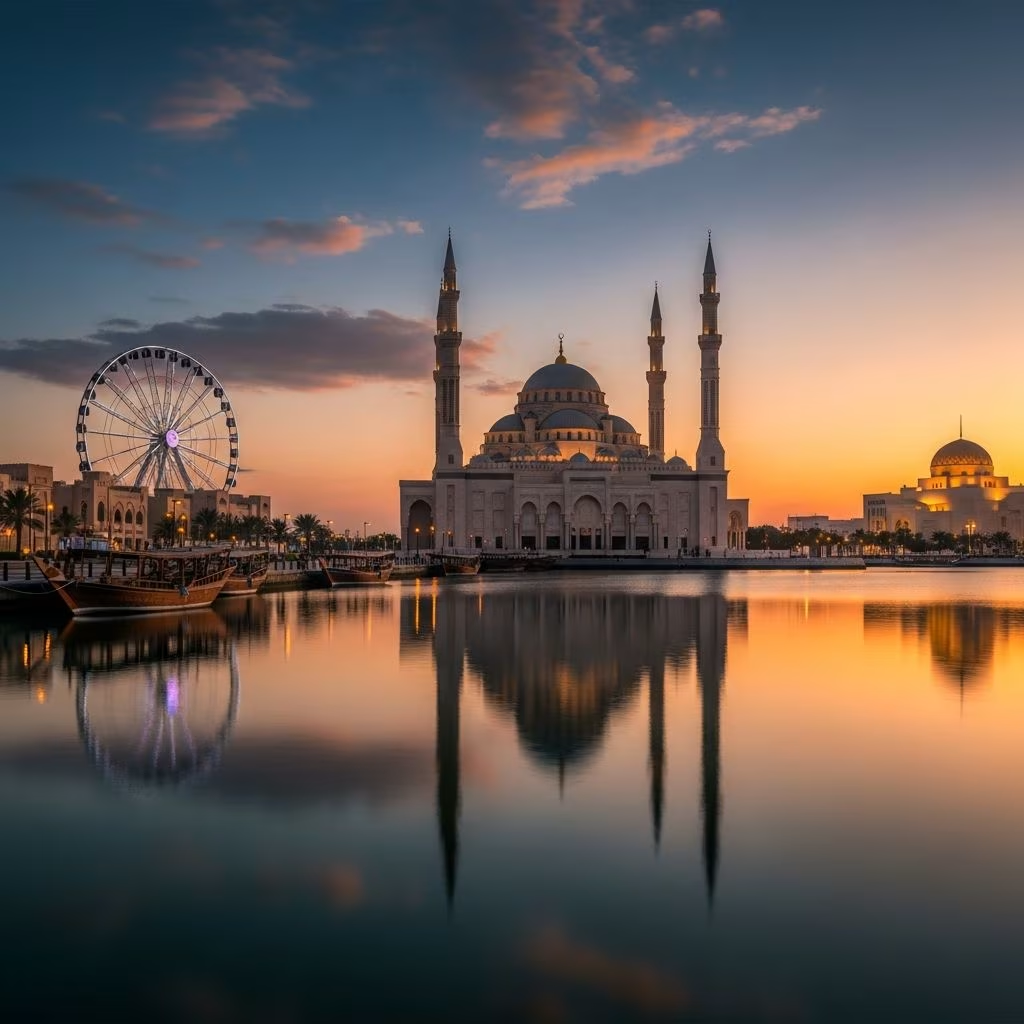 Travel Essentials
Nestled along the Persian Gulf coast, Sharjah represents a compelling alternative to the high-octane tourism experience found in neighboring Dubai and Abu Dhabi. While these emirates command international headlines with their towering skyscrapers and luxury developments, Sharjah has cultivated a distinctly different identity—one rooted in cultural preservation, artistic expression, and authentic Emirati hospitality. For travelers seeking meaningful connections with regional heritage rather than superficial glitz, Sharjah offers a refreshingly grounded perspective on contemporary Gulf life.
The emirate’s strategic location merely 30 kilometers from Dubai makes it an accessible day trip or extended stay destination, yet its atmosphere feels worlds apart from the cosmopolitan bustle of its famous neighbor. This geographic proximity combined with cultural distinction creates a unique positioning that appeals to discerning travelers who appreciate nuance, history, and community-centered experiences.
Sharjah’s most compelling distinguishing feature is its unwavering commitment to preserving and promoting cultural heritage. The emirate has earned the designation of cultural capital of the United Arab Emirates, a distinction rooted in its impressive institutional infrastructure and genuine community engagement with the arts.
The city hosts approximately 17 museums spanning diverse disciplines including history, science, archaeology, and contemporary art. This concentration of cultural institutions far exceeds what most visitors would expect to find in a single emirate. Notable repositories include:
Beyond formal museum spaces, Sharjah has cultivated a community-based art scene that extends into neighborhoods and public spaces. Rather than concentrating cultural programming within luxury hotel complexes or gated destinations, the emirate integrates artistic expression throughout its urban fabric, making creative experiences accessible to residents and visitors alike.
The Buhaira Corniche exemplifies Sharjah’s approach to public space design, offering waterfront promenades where visitors can experience the city’s rhythms without commercial pressure. This scenic waterfront zone features international dining establishments, live musical performances, and choreographed fountain displays that animate the evening atmosphere.
The corniche functions as both a recreational hub and a social space where families, couples, and friend groups gather to enjoy cooler evening temperatures and unobstructed views across the water. Unlike themed resort destinations, the corniche maintains an organic, community-oriented character where locals and tourists intermingle naturally.
Another significant waterfront asset is Al Mamzar, a hybrid park and beach facility that straddles the border between Sharjah and Dubai. This scenic location attracts visitors during the cooler winter months, providing family-friendly recreational opportunities without the crowds typically found at Dubai beach resorts.
Sharjah’s architectural landscape showcases Islamic design principles expressed through contemporary construction methods. The Al Noor Mosque stands as a architectural highlight, offering guided tours that reveal sophisticated geometric patterns, intricate tilework, and spatial design reflecting traditional Islamic principles.
The King Faisal Mosque represents another monumental achievement in Islamic architecture, demonstrating the scale and craftsmanship invested in Sharjah’s sacred structures. These religious buildings serve not merely as places of worship but as tangible expressions of cultural values and aesthetic traditions.
The Sharjah Art Foundation operates within renovated heritage buildings, bridging historical preservation with contemporary creative practice. This institutional approach reflects a philosophical stance: Sharjah honors its past not through museum preservation alone, but through active cultural production that integrates historical sites into living artistic ecosystems.
The emirate has also embraced innovative art installations, including the internationally renowned Rain Room, created by the artistic collective Random International. This interactive artwork allows visitors to walk through controlled rainfall that parts before them—a striking juxtaposition of natural phenomena and technological precision that characterizes Sharjah’s balanced approach to tradition and modernity.
The Central Market, commonly referred to as the Blue Souk, represents Sharjah’s commitment to preserving traditional trading practices. Rather than replacing historic markets with modern shopping complexes, the city has invested in restoring and maintaining authentic souk architecture and commerce.
Visitors can negotiate for textiles, jewelry, decorative items, and artwork alongside locals conducting everyday shopping. This authentic bargaining experience connects travelers to commercial traditions that have characterized Gulf trade for centuries. The souk’s preserved design elements and merchant community maintain cultural continuity while accommodating contemporary commercial expectations.
Despite its reputation as an urban cultural center, Sharjah provides access to natural environments and wildlife experiences. The Arabian Wildlife Center enables visitors to observe desert fauna and learn about regional biodiversity without traveling to distant safari destinations.
The Sharjah Safari offers eight kilometers of exotic animal viewing, making African wildlife observation accessible without intercontinental travel. This facility appeals particularly to families seeking educational experiences about regional and international fauna.
Natural features include scenic locations such as Wadi Shees, a tranquil valley setting providing environmental contrast to urban centers. Al Noor Island combines manicured gardens, art installations, and specialized attractions like a butterfly house, merging landscape design with cultural programming.
Sharjah’s food culture reflects broader Emirati and pan-Arab culinary traditions. Traditional Arabic desserts achieve particular acclaim, with Kunafa—a cheese and almond preparation coated in sugar syrup—representing signature confections that visitors should sample.
The Buhaira Corniche hosts numerous establishments serving international cuisine alongside traditional dishes, allowing visitors to experience both contemporary and heritage-based culinary expressions.
Sharjah’s strategic position provides convenient access to other emirates and attractions throughout the UAE. Nearby destinations include:
This geographic positioning transforms Sharjah into an optimal base for exploring the UAE’s diverse landscapes, from mountain terrain to coastal environments.
A practical benefit of visiting Sharjah involves experiencing major attractions without excessive tourist congestion. While Dubai struggles with capacity management during peak seasons, Sharjah maintains manageable visitor volumes, permitting unhurried exploration of museums, markets, and cultural sites.
This accessibility advantage proves particularly valuable for travelers with limited time or those prioritizing contemplative experiences over theme-park-style tourism. Queuing times remain minimal, allowing efficient coverage of multiple attractions within single days.
Sharjah presents itself as an authentically Emirati destination rather than a manufactured tourism product. The city manages to synthesize modern architecture and contemporary infrastructure with traditional design sensibilities and cultural values.
This integration occurs not through nostalgia or artificial recreation but through genuine community participation in cultural programming and heritage preservation. Visitors encounter residents engaging naturally with museums, souks, and public spaces rather than performing curated cultural roles for tourism consumption.
Approaching Sharjah requires cultural sensitivity and respect for local customs. The emirate maintains stricter alcohol prohibitions than Dubai, reflecting community values and Islamic principles. This distinction shapes the city’s atmosphere—quieter, more dignified, and oriented toward family-friendly experiences rather than nightlife-centered tourism.
Travelers should plan museum visits with attention to opening hours and prayer times, when some attractions may have limited access. Dress codes emphasizing modest coverage show respect for local norms and religious observance.
Optimal visiting occurs during cooler months (November through March), when outdoor attractions and waterfront activities become genuinely pleasurable rather than requiring mid-day heat management.
Sharjah occupies a distinctive position within contemporary UAE tourism. While Dubai prioritizes superlative achievements—tallest buildings, largest malls, most extravagant resorts—Sharjah emphasizes cultural depth, historical continuity, and community-centered development.
This philosophical distinction appeals to travelers seeking understanding rather than spectacle, connection rather than consumption. For visitors fatigued by Dubai’s relentless commercialism or Abu Dhabi’s governmental formality, Sharjah offers a humanized scale that permits genuine interaction with place and people.
The emirate demonstrates that contemporary development need not erase cultural heritage, that tourism can coexist with authentic local life, and that destinations can achieve international significance through cultural contributions rather than architectural grandeur.
Sharjah invites travelers to experience the UAE beyond its most famous manifestations—to discover a destination that preserves regional traditions while engaging thoughtfully with contemporary artistic and cultural expressions. For discerning visitors, this underrated emirate represents an essential component of comprehensive UAE exploration.
