

 Travel Essentials
 Travel Essentials

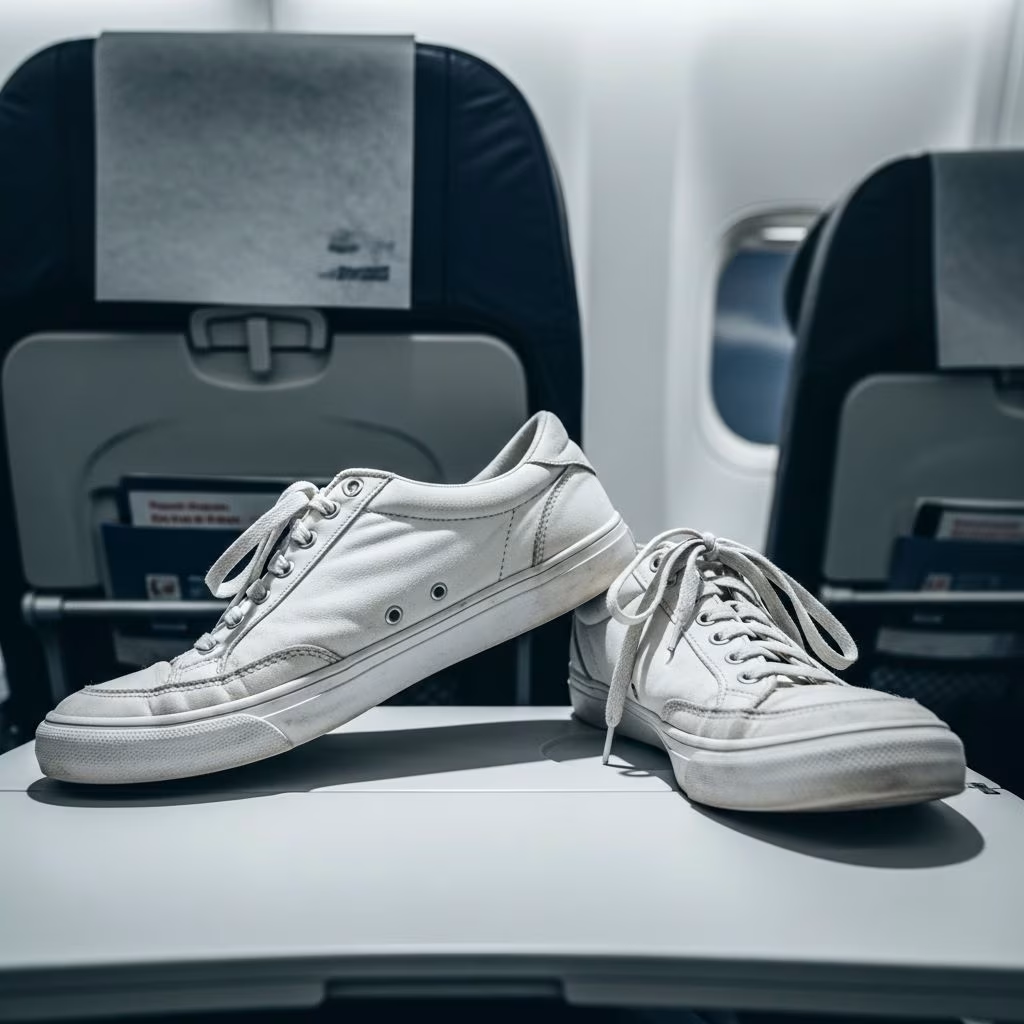
Explore compelling reasons to keep footwear on during flights, from germ exposure and injury risks to passenger comfort and emergency preparedness.
 Travel Essentials
Air travel offers convenience but comes with unique challenges, especially regarding personal habits like footwear. Many passengers remove their shoes for comfort, yet experts strongly advise against it due to hygiene concerns, safety hazards, and social etiquette. This practice exposes feet to contaminants and complicates evacuations, making it a decision with broader implications.
Airplane cabins harbor more germs than most public spaces. High traffic and limited cleaning protocols create breeding grounds for bacteria and viruses. Flight attendants note that floors accumulate spills, dirt, and bodily fluids from thousands of passengers per flight.
Lavatories represent the highest risk zones. These areas mix water, urine, and other fluids, fostering pathogens like E. coli and fungi. Walking barefoot transfers these directly to skin, potentially causing infections, especially for those with cuts or weakened immunity.
Bare feet or socks increase absorption risks, as skin readily picks up moisture-borne microbes. Studies on public hygiene underscore airplanes as high-germ environments due to recycled air and close quarters.
Statistically, most aviation incidents occur during takeoff and landing. In survivable crashes, evacuations demand speed and protection. Bare feet face sharp debris like glass, metal, or hot surfaces from fires or ruptures.
Aviation safety authorities emphasize footwear in briefings. Open designs like sandals or flip-flops provide scant defense against jagged terrain, fuel spills, or rough escapes. Historical data shows foot injuries prolong evacuations, endangering everyone.
| Scenario | Risk Without Shoes | Protection with Shoes |
|---|---|---|
| Emergency Landing | Cuts from debris, burns | Cushioned barrier |
| Evacuation Slide | Abrasions on rough surfaces | Grip and padding |
| Water Ditching | Slips on wet decks | Traction and seal |
Keeping shoes on ensures mobility. Swollen feet mid-flight make re-shoeing difficult under stress, further delaying responses.
Swelling affects up to 80% of long-haul flyers due to cabin pressure and immobility. While tempting to loosen up, experts recommend laced sneakers or adjustable footwear. These accommodate expansion without removal.
Compression socks counter swelling by improving circulation, reducing fluid buildup. Medical guidelines highlight their efficacy in preventing deep vein thrombosis (DVT), a serious flight risk.
This approach maintains comfort while upholding safety. Podiatry specialists advocate tennis shoes for their versatility during volume changes.
Surveys reveal discomfort among travelers seeing bare feet. Over 40% view it as inconsiderate, citing odors and aesthetics. Planes amplify smells in confined spaces, turning minor issues into annoyances.
Respect fosters smoother journeys. Etiquette polls rank shoelessness among top irritants, alongside armrest battles. Clean socks mitigate some concerns but not all—odors persist, and dirt transfers easily.
Cultural norms vary, but global standards lean toward discretion. Airlines rarely intervene unless complaints arise, yet harmony benefits all.
No federal mandates dictate airplane cleaning frequency or methods. While airlines follow voluntary guidelines, practices vary. Deep cleans occur sporadically, with spot treatments between flights insufficient against heavy use.
FAA handbooks stress maintenance but overlook detailed sanitation. High-traffic paths like aisles and galleys receive focus, yet crevices harbor residues. UV analyses detect fecal matter and pathogens lingering post-clean.
Post-pandemic protocols improved, but barefoot exposure remains unwise. Shoes act as a critical barrier.
Maximize flight ease without risks:
Pre-board stretches prepare feet. Slip-on alternatives like loafers ease access while providing coverage.
Myth 1: Bare feet breathe better. Reality: Cabin air is dry; socks suffice for ventilation.
Myth 2: It’s airline policy. No rules require removal; safety briefings imply otherwise.
Myth 3: Short flights are safe. Risks persist regardless of duration.
Only in seats with clean socks, avoiding walks. Prioritize safety phases.
Use compression socks and laced shoes; consult doctors for chronic issues.
Cleaning is routine but not regulated deeply; assume residues.
No— they slip and lack protection.
Wear fresh socks, use deodorizers; keep shoes on.
Repeated exposure heightens infection risks, fungal growth, and circulatory strain. Frequent flyers report higher plantar issues from contaminated floors. Proactive habits safeguard long-term wellness.
Monitor for DVT symptoms: leg pain, redness. Immediate medical attention prevents complications.
Flight crews universally discourage it. Safety authors stress injury stats. Podiatrists push preventive wear.
Consensus: Shoes on equals prudent travel.
