

 Travel Essentials
 Travel Essentials

Explore the pros and cons of abandoning health tech on vacation to fully embrace downtime, with expert tips for balancing disconnection and well-being.
 Travel Essentials
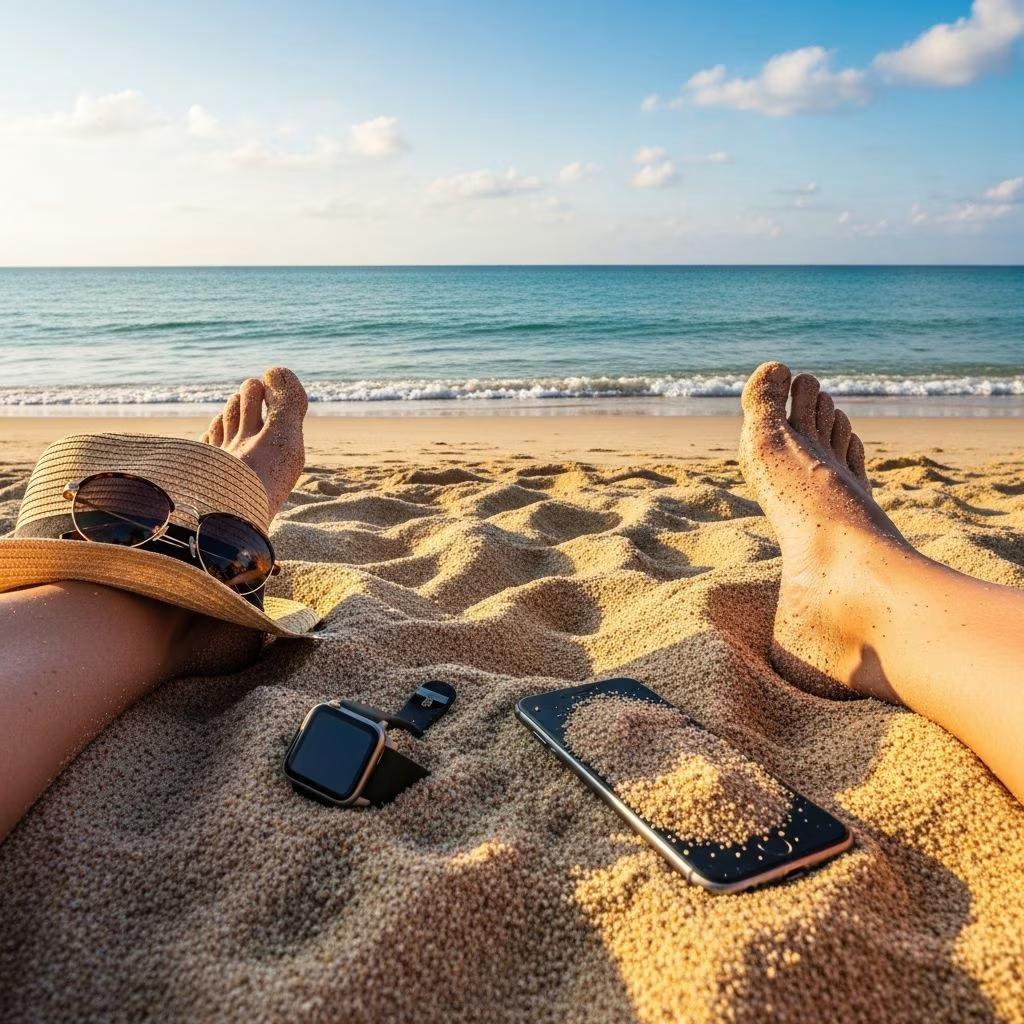
Health technology like fitness trackers, smartwatches, and wellness apps has become a staple for many, promising constant monitoring of steps, heart rate, sleep, and stress levels. But during vacations—meant for escape and renewal—should these devices stay home? Experts suggest that temporarily sidelining health tech can foster deeper relaxation and presence, countering the always-on culture that blurs work-leisure boundaries.
Wearing a device that buzzes with notifications or tallies every move can turn downtime into data collection. Even on vacation, the pressure to hit step goals or optimize sleep scores persists, undermining the break’s purpose. Research from Arizona State University highlights how such vigilance fuels stress rather than alleviating it.
Consider the psychological toll: notifications interrupt mindfulness, while metrics create invisible expectations. A vacation in a scenic national park loses magic if you’re fixated on closing activity rings instead of savoring the view. This compulsion stems from habituated reliance on tech for self-validation, where rest feels unproductive without quantifiable proof.
Embracing a break from health gadgets unlocks profound advantages. Without screens dictating your day, travelers report heightened sensory engagement—truly tasting local cuisine, feeling ocean waves, or connecting deeply with companions. ASU psychologists note that short device-free periods enhance presence and emotional recharge.
Studies on digital detoxes affirm these gains, showing decreased cortisol levels and elevated mood after intentional unplugging.
| Aspect | With Health Tech | Without Health Tech |
|---|---|---|
| Safety & Navigation | GPS, emergency SOS features provide security | Relies on maps, intuition; builds adventure skills |
| Fitness Motivation | Tracks hikes, swims for post-trip bragging | Organic activity without gamification pressure |
| Health Monitoring | Alerts for irregularities like high heart rate | Body’s natural signals take precedence |
| Mental Rest | Constant data can induce stress | Full immersion promotes true unwinding |
This comparison reveals a trade-off: tech offers practical tools but often at the expense of authentic rest. For most healthy travelers, the risks of forgoing monitoring are minimal, prioritizing mental health gains.
Going cold turkey isn’t for everyone. Start with gradual steps to reap benefits without overwhelm.
For full commitment, choose destinations with spotty signal, like remote hikes or island retreats, naturally enforcing disconnection.
Professionals from psychology and health fields endorse strategic breaks. Tamera Schneider, an ASU psychology professor, emphasizes that colleagues rarely need instant access, debunking the urgency myth. Michelle Shiota, director of ASU’s Substance Use and Addiction Translational Research Network, advocates leaving laptops behind, recalling pre-digital eras of pure vacation bliss.
Organizations like Myositis.org extend this to daily life but apply seamlessly to travel: replace scrolling with strolling, prioritize in-person bonds, and question device necessity. PSHRA recommends at least one full tech-free day per trip to eliminate Wi-Fi worries. These voices converge on a simple truth: vacations recharge best without electronic tethers.
Anecdotes abound of transformative trips. One hiker in Yellowstone ditched her tracker, wandering freely and sleeping soundly without score-chasing. Another family on a beach getaway enforced phone-free dinners, sparking laughter and stories long forgotten in screen-lit homes. Post-trip, many note sustained mood lifts, proving the detox’s lasting ripple.
Conversely, partial users keep devices for safety—using them sparingly for maps or health alerts—striking a hybrid balance. The key? Intention: tech serves the trip, not vice versa.
Worried about losing fitness momentum? Vacations naturally boost activity through exploration; data shows incidental movement rivals tracked workouts. Fitness enthusiasts can log mentally or resume post-trip without derailing progress.
For medical needs, consult doctors pre-travel; basic watches offer fall detection without full tracking suites. Ultimately, listen to your body—its wisdom predates wearables.
A trip’s detox can seed lasting change. Experiment with weekly screen-free evenings or device-free bedrooms at home. Track well-being subjectively via mood journals, fostering self-awareness untied to numbers. Over time, this cultivates resilience against tech’s pull, enhancing life quality universally.
For most, yes—especially if healthy. Use for emergencies only, relying on innate body cues otherwise.
Send a clear away message with backup contacts; true urgencies are rare.
Focus on enjoyment; natural travel activities suffice for fitness.
Absolutely—guide with games, nature hunts; models presence beautifully.
Yes: airplane mode for activities, check-ins sparingly.
Health tech empowers daily life but can sabotage vacation sanctity. By ditching it selectively, you invite unfiltered joy, bonds, and renewal. Experiment this trip—your future self, refreshed and unburdened, will thank you.
