

 Travel Essentials
 Travel Essentials

Discover how to plan, pack, and thrive on your first wild camping trip. From essential gear to navigation skills and Leave No Trace principles, this guide equips beginners for safe, responsible backcountry adventures.
 Travel Essentials
Wild camping offers unparalleled freedom, immersing you in nature’s raw beauty far from crowded sites. Unlike developed campgrounds, it demands preparation, self-reliance, and respect for the environment. This guide breaks down every step for newcomers, from initial planning to packing up without a trace.
Wild camping, often called backcountry camping, involves pitching your tent in remote, undeveloped areas accessible primarily by foot. Expect no facilities—think solitude amid mountains, forests, or deserts. Start with short trips near trails to build confidence. Benefits include mental rejuvenation and physical challenge, but success hinges on smart choices.
Thorough research prevents mishaps. Begin by selecting beginner-friendly destinations.
Practice hikes with a loaded pack to simulate real conditions and condition your body.
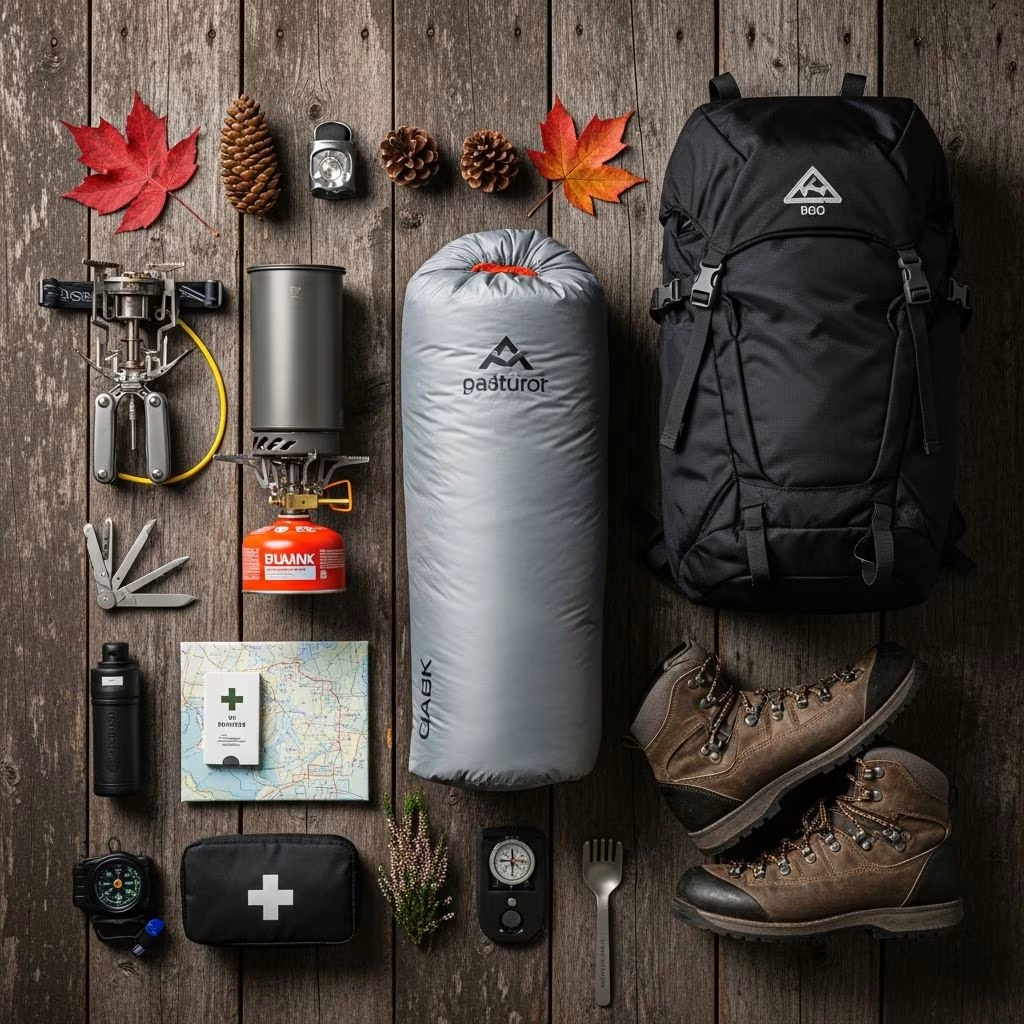
Gear forms the backbone of any trip. Prioritize lightweight, multi-use items. Borrow or rent from outfitters like REI to test before buying.
| Category | Key Items | Tips |
|---|---|---|
| Shelter | 3-season tent, sleeping bag (20-30°F rating), inflatable pad | Choose freestanding tents for versatility; ensure pad provides 3-4 inches loft for insulation. |
| Pack & Clothing | 40-60L backpack, moisture-wicking layers, rain gear, hat, gloves | Fit pack to torso length; layer for variable temps—base, mid, shell. |
| Cooking & Water | Canister stove, fuel, pot, water filter/purifier | Test stove at home; treat all water sources. |
| Navigation & Light | Topo map, compass, headlamp, batteries | Learn map/compass basics; apps as backup only. |
| 10 Essentials | First aid kit, knife, firestarter, trowel, extra food/clothes | Customize for group size; share weight. |
The 10 Essentials ensure survival in emergencies. Pack these always.
For groups, divide shared items like tents and stoves to lighten loads.
Keep base weight under 15-20 lbs for beginners. Distribute weight: heavy items high and centered. Use stuff sacks for organization. Test pack fully loaded on practice hikes. Hydration tip: Carry 2-3L capacity; plan sources but purify everything. Food focuses on high-calorie, no-cook options like nuts, bars, dehydrated meals.
Site selection is crucial: Choose durable surfaces 200 feet from water/trails. Clear debris, orient tent to block wind. Cook away from tent to avoid wildlife.
Rely on maps for sources, but verify with rangers—streams can dry. Methods: Filters (e.g., Sawyer Squeeze), chemical tablets, boiling, UV pens. Aim for 3-4L daily.
Opt for canister stoves—easy, reliable. Meals: Oatmeal breakfasts, couscous dinners, trail mix snacks. Store food in bear bags hung 12 ft high, 6 ft from trunk. No open fires in dry seasons.
| Meal | Day 1 | Day 2 |
|---|---|---|
| Breakfast | Instant oats + nuts | Granola + powdered milk |
| Lunch | Tortillas + peanut butter | Cheese + salami wraps |
| Dinner | Dehydrated chili | Ramen + veggies |
| Snacks | Energy bars, dried fruit | GORP (good ol’ raisins & peanuts) |
Master topo maps: Contours show elevation. Practice compass bearings. Download offline apps but carry paper backups. Pace yourself: 2-3 mph average.
Maintain hygiene to prevent illness. Bury waste 6-8 inches deep, 200 ft from water (cathole method). Pack out all trash, TP, wipes. Women: Pack menstrual cups or disposables; bury or pack out. First aid: Blister care, tweezers for ticks.
Make noise on trails; store food properly. For bears: Travel in groups, carry spray. In lightning: Avoid ridges, seek low ground. Hypothermia signs: Shivering, confusion—warm gradually.
Minimize impact:
Solo builds skills but heightens risks—extra caution needed. Groups enhance safety, fun; assign roles.
One night on a short, easy trail builds confidence without exhaustion.
No—rent or borrow initially to test preferences.
3-5 liters, more in heat; always purify.
Check local regs; some areas prohibit it without permits.
Use rainfly, site wisely; pack dry clothes in waterproof bags.
After your first outing, reflect: What worked? Upgrade gradually to ultralight gear. Join clubs for guided trips. Progress to multi-days, winter camping. Wild camping fosters resilience and nature connection—happy trails!
