


 Food & Culture
Food & Culture
Wine Trends 2026: Sustainability, Value and Experience
Explore the major shifts reshaping wine consumption in 2026, from alternative packaging to lighter styles and immersive experiences.
 Food & Culture
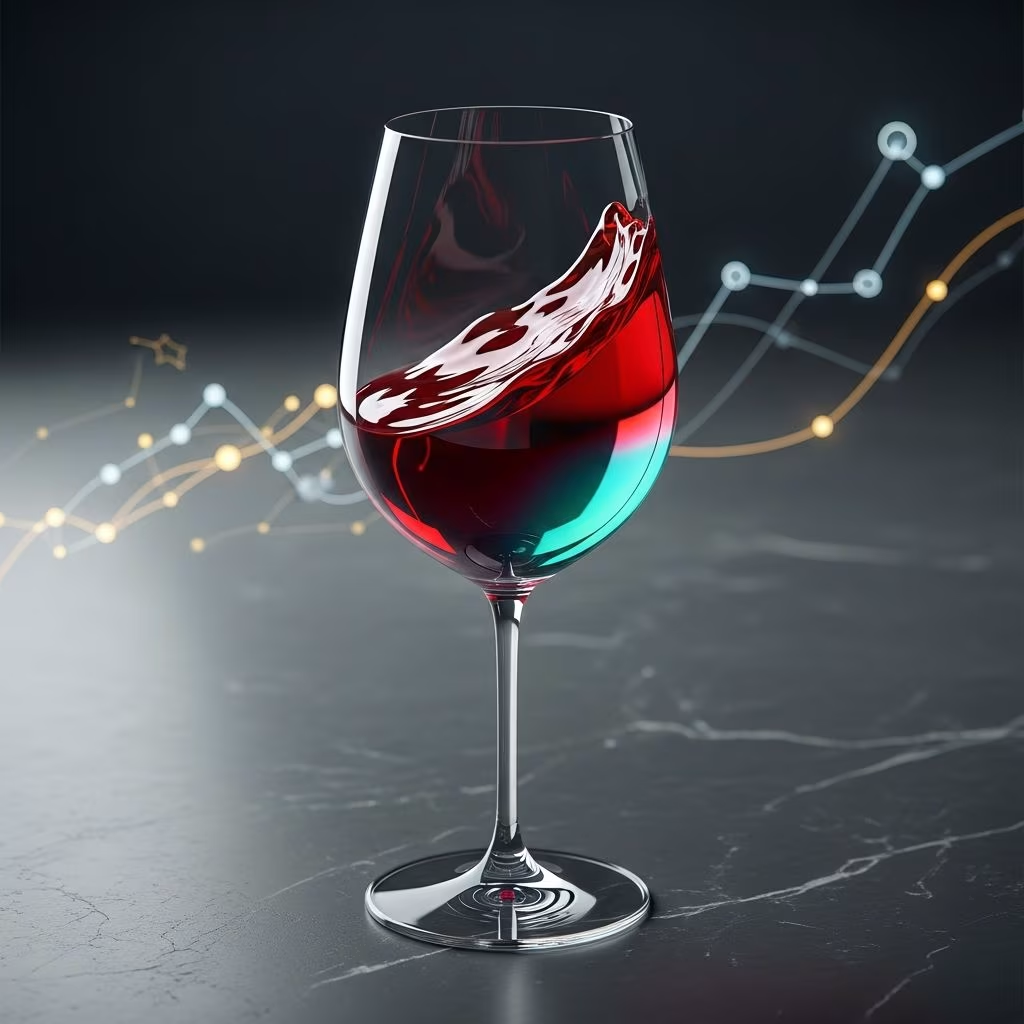
The wine industry stands at a pivotal moment. Consumer behavior, environmental consciousness, and technological innovation are fundamentally reshaping how people select, consume, and experience wine. Unlike fleeting fashion trends, the shifts occurring in 2026 reflect deeper, more permanent changes in lifestyle, values, and dining culture. The combination of rising prices in traditional regions, climate pressures, and evolving consumer confidence has created an environment where experimentation and thoughtful consumption are becoming the norm rather than the exception.
The Economics of Wine: Why Traditional Hierarchies Are Crumbling
For decades, wine consumers operated within an established framework: Burgundy meant prestige, Champagne represented celebration, and certain regions automatically signaled quality and worth the premium price tag. This hierarchy is fracturing under multiple pressures. Economic factors play a significant role—as established regions face increased production costs and weather-related challenges, their wines command higher prices that price out average consumers.
This economic shift has triggered what industry observers call the “smart swap” mentality. Rather than accepting inflated prices for recognizable names, wine drinkers are exploring regions previously dismissed as secondary markets. These discoveries often reveal wines that offer comparable or superior quality at better value. Spanish Cavas, Italian Proseccos, and emerging regions in lesser-known areas now command serious attention from informed consumers. The democratization of wine knowledge through digital platforms means consumers can research origins, production methods, and tasting profiles instantly, making them confident enough to venture beyond familiar territory.
The Sustainability Movement: Beyond Marketing Language
Environmental consciousness has transitioned from a niche concern to a mainstream expectation. Wineries embracing sustainable practices aren’t adopting a marketing gimmick—they’re responding to genuine consumer demand and recognizing long-term business necessity. Climate change directly impacts wine production through altered growing seasons, unpredictable weather patterns, and shifting viable growing regions.
Organic wine production represents one tangible manifestation of this movement. These wines result from deliberate choices to avoid synthetic pesticides and fertilizers while maintaining ecological balance. Producers following organic methods report that such practices enhance rather than diminish wine quality, while simultaneously protecting soil health and landscape integrity. The expanding availability of certified organic wines reflects both consumer willingness to pay premium prices for environmental stewardship and the viability of these production methods.
Beyond farming practices, sustainable wineries are reconsidering packaging itself. Traditional glass bottles, while aesthetically pleasing and effective, require significant energy for production and transportation. Lightweight bottles, boxed wine, and aluminum cans represent pragmatic alternatives gaining mainstream acceptance. These formats reduce carbon footprints, lower shipping costs, and appeal to consumers seeking informal, occasion-flexible wine options. Box wine, in particular, has shed its budget-brand stigma as quality producers recognize the format’s versatility for picnics, casual gatherings, and everyday enjoyment.
Flavor Profiles Shift: The Rise of Accessibility and Food Compatibility
Global warming is subtly but distinctly altering how wine tastes. Rising temperatures in traditional regions produce riper grapes with higher alcohol content, resulting in fuller-bodied, more extracted wines. However, contemporary lifestyle changes—lighter meals, increased vegetable consumption, global cuisine influence—have made heavy wines feel less relevant to daily drinking patterns.
Lighter red wines emphasizing freshness, acidity, and moderate alcohol levels now command growing attention. These wines pair intuitively with modern eating habits, from vegetable-forward dishes to ethnic cuisines, while remaining satisfying without overwhelming the palate. The shift away from massive, high-alcohol reds isn’t a rejection of winemaking tradition; it’s an acknowledgment of how people actually live and eat today. Restaurants and wine retailers increasingly recognize that accessibility drives sales and satisfaction.
Temperature preferences are also evolving. Chilled red wines, once considered sacrilege by traditionalists, are gaining acceptance as summer-friendly, refreshing options. This willingness to modify serving conventions reflects broader confidence among consumers to make personal choices independent of established rules.
Sparkling Wine Emerges as Category Leader
Sparkling wine consumption reveals fundamental shifts in how consumers perceive luxury and value. Champagne maintains its prestige, but it no longer monopolizes the sparkling category. Rising Champagne prices have created space for alternatives offering comparable quality with distinct regional character and superior value propositions.
Spanish Cavas, Italian Proseccos, and emerging sparkling wines from unexpected origins now attract serious attention. These alternatives express unique terroir, showcase winemaker creativity, and provide everyday drinkability without the ceremonial price tag. Consumers increasingly recognize that exceptional sparkling wine transcends geography—what matters is production quality, flavor complexity, and personal preference. This shift democratizes celebration-worthy wines, making sparkling options accessible for routine enjoyment rather than reserved exclusively for milestone moments.
The Immersive Experience Economy: Wine Tourism Reimagined
Wine tourism has evolved from peripheral activity to central business strategy for producers worldwide. The classic winery tour—a quick walk through facilities, brief explanation of steel tanks, cursory tasting, and rushed gift shop visit—no longer satisfies contemporary visitors. Today’s wine tourists seek emotional resonance and multisensory engagement.
Successful wine tourism in 2026 integrates storytelling, culinary experiences, and cultural programming. Visitors want to understand why wines exist, what makes a particular region distinctive, and how winemakers approach their craft philosophically. This translates into curated experiences featuring vineyard walks, artistic installations, musical performances, local food pairings, and seasonal events. Heritage experiences highlighting lesser-known grape varieties and historical winemaking methods appeal particularly to younger demographics seeking authenticity and cultural connection.
Wineries functioning as hosts, storytellers, and cultural curators rather than merely producers are capturing market attention and visitor loyalty. Nearly half of wineries plan tourism expansion, suggesting genuine confidence that experience-driven revenue will outpace traditional sales models even amid economic challenges. Technology enables personalization through AI-driven recommendations, virtual pre-visit tastings, and real-time event updates, creating seamless journeys from initial interest through post-visit engagement.
Demographics Shape Tomorrow’s Wine Market
The 25-to-44 age group drives significant demand shifts. This generation prioritizes transparent production values, lower alcohol content, and heritage grape varieties while seeking experiences blending culture, food, and place. They may consume less wine overall but engage more deeply with what they choose, valuing provenance and narrative alongside flavor.
Geographic patterns matter too. Europe maintains steady domestic and regional wine tourism visitation, while international arrivals face headwinds from economic uncertainty. Wineries must craft flexible, thoughtful experiences resonating across generations without sacrificing authenticity or sense of place. This requires understanding what different visitor segments seek while maintaining genuine connection to regional identity and production philosophy.
Technology as Enabler and Disruptor
Direct-to-consumer models powered by streamlined digital platforms represent significant business shifts. Wineries reduce retail intermediaries, improve margins, and gather valuable consumer data informing future production and marketing decisions. Virtual tastings serve multiple functions—introducing wines before purchase, extending engagement after visits, and reaching geographically distant potential customers.
Data-informed storytelling adapts narratives to visitor interests and preferences, creating personalization that feels authentic rather than manipulative. Real-time communication about new releases, special events, and limited offerings maintains visitor engagement between purchases and visits. Social media transforms casual moments into shareable experiences, though successful wineries recognize the distinction between authentic moments worth sharing and staged content that alienates rather than attracts.
Common Questions About Modern Wine Trends
- Are traditional wine regions losing relevance?
- Not losing relevance, but losing monopoly status. Quality wines from emerging regions offer compelling alternatives, forcing established regions to justify premium pricing through exceptional quality rather than name recognition alone.
- Will organic wine become the industry standard?
- Organic production will likely expand but coexist with conventional methods. Consumer demand remains strong but price-sensitive, and not all regions can economically transition to organic certification while maintaining financial viability.
- Is sustainability genuine or marketing?
- Both occur. Serious producers invest substantially in sustainable practices recognizing long-term business benefits, while others use environmental language superficially. Consumer education and certification standards help distinguish genuine commitments from greenwashing.
- Why are lighter wines gaining popularity?
- Lifestyle changes—lighter meals, warmer climates, diverse cuisines—make accessible wines more relevant. Lighter profiles pair naturally with modern eating and provide refreshment without overwhelming palates.
- What makes wine tourism profitable for producers?
- Direct consumer relationships, premium pricing for experiences, reduced intermediary costs, and valuable data gathering all contribute to profitability. Tourism also builds brand loyalty and generates word-of-mouth marketing.
Looking Forward: Integration and Authenticity
The wine industry’s 2026 trajectory suggests that winners will be producers and destinations seamlessly integrating multiple trends—sustainability, storytelling, accessibility, and experiential marketing—while maintaining authentic connection to their regions and philosophies. Consumers increasingly demand alignment between stated values and actual practices, making superficial trend-chasing counterproductive.
The shift toward lighter wines, alternative packaging, and non-traditional regions reflects growing consumer confidence and sophistication rather than abandonment of quality standards. People are questioning old assumptions not from ignorance but from informed perspective. They’re drinking more intentionally, selecting wines matching their actual lifestyles rather than conforming to established hierarchies that increasingly feel disconnected from contemporary reality.
Innovation matters, but so does respect for tradition. The most successful wineries balance experimentation with heritage, welcome new consumers while honoring established wine culture, and create experiences feeling both contemporary and timeless. This equilibrium—honoring past while embracing future possibilities—defines the wine industry’s evolution in 2026 and beyond.
References
- Wine trends for 2026 — Maius Viticultors. 2026-01-07. https://maiusviticultors.com/en/2026/01/07/2127/
- Wine trends for 2026: What will we be drinking in 2026? — Forest Wines. https://www.forestwines.com/blogs/news/wine-trends-for-2026-what-will-we-be-drinking-in-2026
- Wine Tourism in 2026: Trends, Growth & What’s Next — Winera. https://www.winera.com/blog/industry-trends-10/wine-tourism-in-2026-158
- FINE 2026: Why Wine Tourism is the Future of Global Travel — Travel and Tour World. https://www.travelandtourworld.com/news/article/fine-2026-why-wine-tourism-is-the-future-of-global-travel/
- Wine Trends That Will Define 2026 — Fine Dining Lovers. https://www.finedininglovers.com/explore/articles/wine-trends-will-define-2026
- 5 Wine Industry Trends to Watch in 2026 — SevenFifty Daily. https://daily.sevenfifty.com/5-wine-industry-trends-to-watch-in-2026/
On This Page
The Economics of Wine: Why Traditional Hierarchies Are Crumbling The Sustainability Movement: Beyond Marketing Language Flavor Profiles Shift: The Rise of Accessibility and Food Compatibility Sparkling Wine Emerges as Category Leader The Immersive Experience Economy: Wine Tourism Reimagined Demographics Shape Tomorrow's Wine Market Technology as Enabler and Disruptor Common Questions About Modern Wine Trends Looking Forward: Integration and Authenticity← Previous
Best Zoos and Aquariums in the World: Top Destinations and Trends
Next →
Top U.S. College Campuses to Visit by Region
Related Reading
More in Food & Culture
Food & Culture Food & Culture
 Food & Culture
Best Places to Eat in Rome: Neighborhood Dining Guide
 Food & Culture
 Food & Culture