

Food & Culture Stays Travel Essentials Travel Guides Trip Ideas
Categories
From the Blog
Remy’s Ratatouille Adventure at EPCOT: Ride Review, Tips & 2D Update
Travel Essentials

Winter Emergency Kit Checklist for Storm Preparedness

Discover must-have items for your winter emergency kit, from warmth providers to communication tools, ensuring survival during blizzards and blackouts.
Travel Essentials

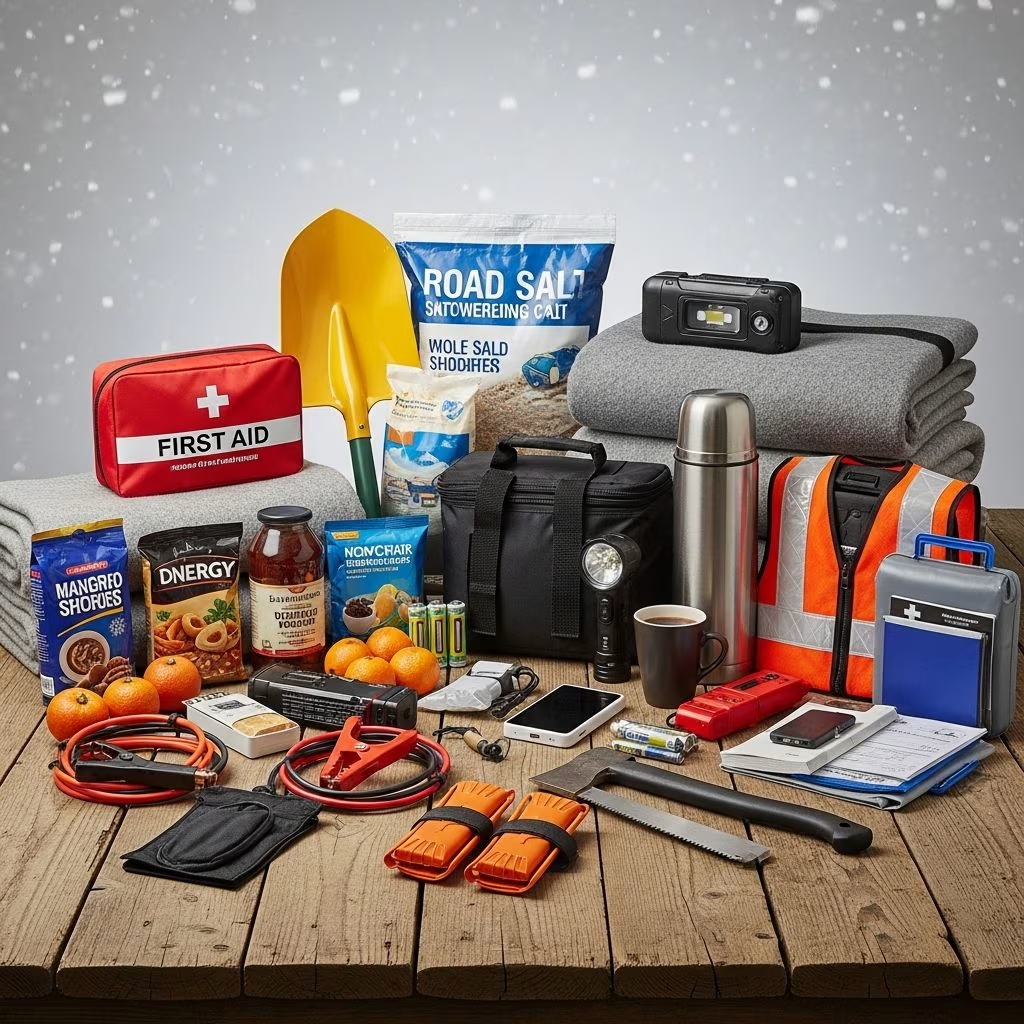
Winter storms bring challenges like heavy snow, ice, freezing temperatures, and widespread power failures that can isolate you from help for days. Building a robust emergency kit equips you to handle these threats, maintaining warmth, hydration, nutrition, and communication until conditions improve. This guide outlines critical categories of supplies, drawing from proven recommendations to create a comprehensive setup for home, vehicle, and personal use.

Core Principles of Winter Preparedness

Effective preparation starts with understanding risks: power grids fail under ice loads, roads close due to snowdrifts, and extreme cold accelerates hypothermia. Aim for at least 72 hours of self-sufficiency per person, extending to a week for severe events. Store items in waterproof containers, accessible in multiple locations like your home entrance, car trunk, and office. Regularly rotate perishables and test gear like batteries and radios.

Staying Warm: Insulation and Heat Sources

Maintaining body heat is priority one, as cold saps energy and impairs judgment. Layer clothing with wool or synthetics that retain warmth when wet, and prioritize space blankets that reflect up to 90% of body heat.

  • Emergency Mylar Blankets: Compact, lightweight sheets trap heat effectively; wrap fully for maximum insulation.
  • Hand and Foot Warmers: Disposable packets provide hours of targeted heat for extremities.
  • Extra Wool Socks and Gloves: Multiple pairs prevent frostbite; choose moisture-wicking materials.
  • Sleeping Bags Rated for Sub-Zero: Mummy-style bags conserve heat in tents or vehicles.

For vehicles, include a heavy-duty tarp to create a windproof shelter around your car, turning it into a mobile refuge. Test backup heaters like propane models now to ensure functionality.

Power and Illumination Solutions

Blackouts are common; without electricity, darkness and silence compound dangers. Invest in multi-function devices that charge via solar or hand-crank to avoid battery dependency.

ItemKey FeaturesBest Use
Hand-Crank Solar Radio/FlashlightNOAA weather alerts, USB charging, LED lightsStaying informed during outages
Portable Power Bank (20,000mAh+)Multiple ports, solar compatiblePhone/laptop charging
Headlamps (2+ per person)Hands-free, red light mode for night visionNavigation without fatigue
LED LanternsBattery/solar, 360-degree lightGroup illumination

Stock extra AA/AAA batteries and avoid open flames indoors to prevent carbon monoxide risks.

Nutrition and Hydration Strategies

Your body burns more calories in cold; stock high-energy, no-cook foods and safe water sources. Calculate 3,000+ calories daily per adult, focusing on comfort foods that boost morale.

  • Freeze-Dried Meals: Lightweight, long-shelf-life options like stews or cereals; rehydrate with minimal water.
  • Energy Bars and Nuts: Peanut butter packets, trail mix for sustained energy.
  • Hot Beverage Mixes: Instant coffee, tea, cocoa for psychological warmth.
  • Water (1 gallon/person/day): Store in insulated containers; include purification tablets or a filter straw.

Prevent pipe freezes by insulating exposed lines and knowing thaw methods. For longer outages, ration and melt snow cautiously to avoid cooling your core temperature.

First Aid and Health Maintenance

Injuries worsen in isolation; a comprehensive kit addresses cuts, hypothermia, and chronic needs.

  • Basics: Bandages, gauze, tweezers, antiseptic, medical tape, gloves.
  • Cold-Specific: Thermal injury cream, instant cold packs, pain relievers.
  • Prescriptions: 30-day supply of meds, plus OTC like ibuprofen and antihistamines.
  • Hygiene: Sanitizer, masks, thermometer for monitoring fevers.

Include a hypothermia treatment guide: warm drinks, skin-to-skin contact, no alcohol.

Vehicle Readiness for Stranded Travel

Cars become lifelines; keep tanks over half-full to run heaters intermittently.

  • Kit Essentials: Shovel, ice scraper, traction mats, jumper cables, tire chains.
  • Comfort: Sleeping bag, protein bars, water, flares or reflective triangles.
  • Tools: Multi-tool, duct tape, work gloves.

Clear exhaust pipes before idling to avoid fumes; signal for help with hood up and hazard lights.

Communication and Information Tools

Cell networks overload; battery-powered or hand-crank radios receive emergency broadcasts.

  • NOAA Weather Radio: Real-time alerts on storms and road closures.
  • Two-Way Radios: Family coordination if separated.
  • Whistle and Signal Mirror: Attract rescuers silently.

Pre-program ICE contacts and download offline maps.

Sanitation and Long-Term Comfort

Hygiene prevents illness; plan for no flush toilets.

  • Portable Toilet Setup: Bucket, liners, absorbent powder.
  • Supplies: TP, wipes, soap, trash bags (double for waste).
  • Feminine Products: Extended supply for all genders.

Designate a waste area; disinfect regularly.

Customizing for Family and Pets

Tailor kits: infant formula, diapers for babies; leashes, food for pets. Seniors need extra meds and mobility aids. Practice drills to familiarize everyone.

Maintenance and Testing Routine

Monthly checks: replace expired items, charge batteries, review weather plans. Post-storm, restock immediately.

Frequently Asked Questions

How long should my kit sustain me?

Minimum 72 hours; ideal 7 days for prolonged storms.

What’s the best way to store water?

Food-grade containers in cool, dark places; rotate every 6 months.

Can I use my fireplace safely?

Yes, with proper venting and CO detector; stock firewood.

How do I prevent frozen pipes?

Insulate, drip faucets, open cabinets in cold snaps.

Are solar chargers reliable in winter?

Partially cloudy days work; combine with hand-crank backups.

Advanced Gear for Extreme Conditions

For northern climates, add snowshoes, avalanche beacons, or portable stoves. Invest in a generator with fuel stabilizer for extended power, but operate outdoors only.

Preparation transforms fear into confidence. By assembling these essentials, you safeguard health, comfort, and connectivity against winter’s fury.

References

  1. Five Must-Haves for Your Winter Survival Kit — Utility Partners. 2023. https://utilitypartners.com/five-must-haves-for-your-winter-survival-kit/
  2. The Winter Preparedness Checklist: 7 Things to Prepare — BePrepared.com. 2023. https://www.beprepared.com/blogs/articles/the-winter-preparedness-checklist
  3. Your Ultimate Winter Storm Preparedness Checklist — Luminaid. 2023. https://luminaid.com/blogs/news/ultimate-winter-storm-preparedness-checklist
  4. What To Keep In Your Winter Emergency Kit — Family Handyman. 2023. https://www.familyhandyman.com/article/winter-emergency-kit/
ME
medha deb
Medha Deb is an editor with…

Medha Deb is an editor with a master's degree in Applied Linguistics from the University of Hyderabad. She believes that her qualification has helped her develop a deep understanding of language and its application in various contexts. Medha specializes in the areas of beauty, health, sports, and wellness and is committed to ensuring that the content on the website is of the highest quality.Medha's passion for writing and editing began early in life when she joined a book writer's club with her mother. It was there that she discovered her love for the written word and the power it holds to inform, inspire, and transform lives. Since then, she has honed her skills as a writer and editor, working with a variety of clients and publications to produce compelling and informative content. Currently, she writes and edits for CultureTreker.She is also an ardent animal lover and dedicates her time and resources to the foster care of neonatal kittens, providing them with the love and attention they need to thrive. Her commitment to animal welfare is a testament to her compassion and empathy, and it underscores her belief in the importance of caring for the most vulnerable members of our society.

← Previous
TSA REAL ID Rules: Avoid the $45 ConfirmID Fee
‹›
