


 Food & Culture
Food & Culture
Winter in Okanagan Valley: Skiing, Wine & Wellness
Combine downhill skiing, Nordic trails, and award-winning wine tastings across Okanagan Valley's three distinct regions during winter months.
 Food & Culture
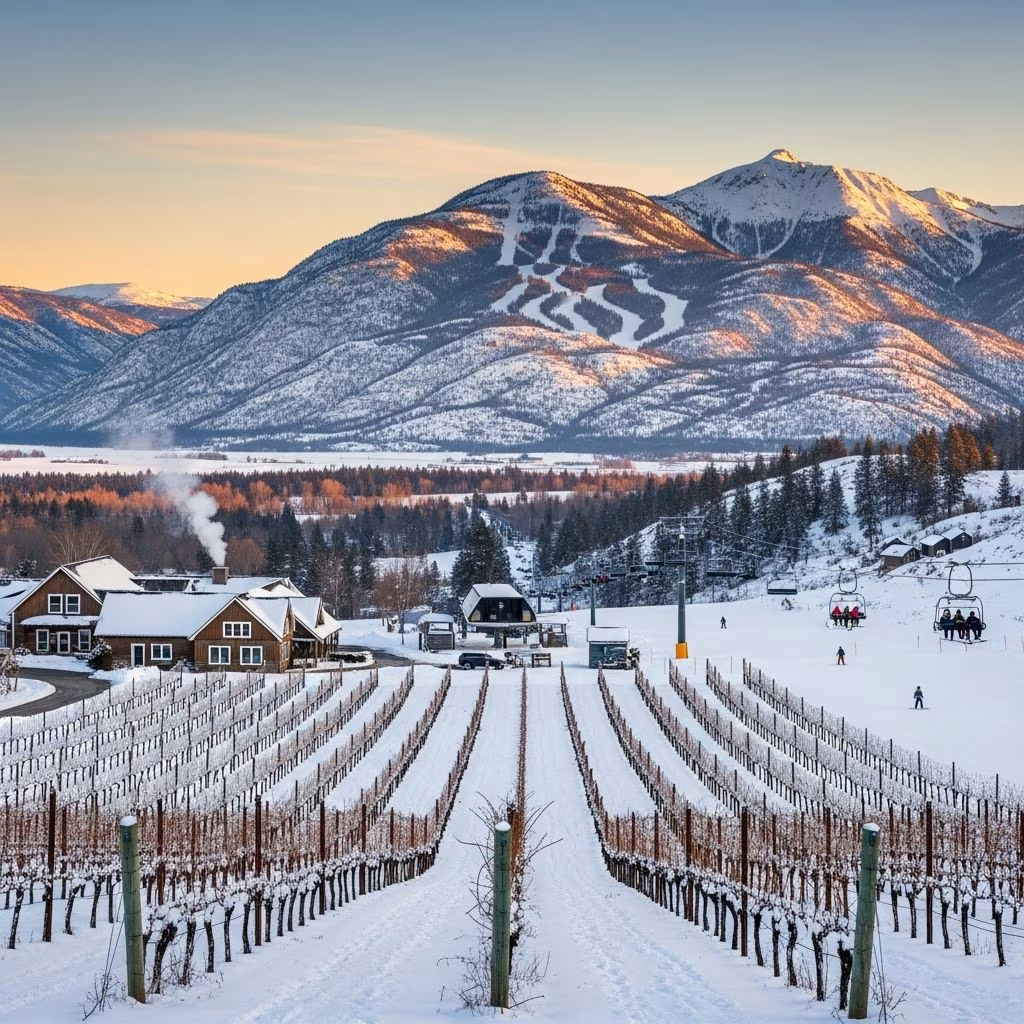
When winter settles over British Columbia’s interior plateau, few destinations rival the Okanagan Valley for those seeking a perfect blend of outdoor adventure and gastronomic pleasure. The region transforms into a snow-draped paradise where frost-kissed vineyards sit beneath powder-laden peaks, creating an environment where après-ski elegance meets terroir-driven sophistication. This four-part journey through the valley reveals how three distinct geographic zones offer complementary experiences, allowing visitors to transition seamlessly from summit runs to cellar doors while discovering why winter ranks among the region’s most compelling seasons.
The Three-Region Framework: Understanding Okanagan’s Winter Geography
The Okanagan Valley comprises three distinct wine and recreation zones, each offering unique characteristics during winter months. The North Okanagan combines mountainous terrain with boutique wineries and intimate hospitality. The Central region anchors around Kelowna, the valley’s largest urban center, providing cultural attractions alongside adventure sports. The South Okanagan extends toward the American border, featuring a semi-arid climate that influences both viticulture and winter conditions. Understanding this geography helps travelers customize itineraries matching their priorities—whether emphasizing skiing intensity, wine education, or balanced leisure.
Northern Pursuits: SilverStar Mountain and Vernon’s Wine Culture
Located approximately one hour from Kelowna International Airport, SilverStar Mountain Resort dominates the North Okanagan’s winter landscape as one of British Columbia’s largest ski destinations. The resort encompasses 1,300 hectares of skiable terrain with a vertical drop exceeding 760 metres and receives more than 700 centimetres of annual snowfall. What distinguishes SilverStar extends beyond these statistics: the mountain village itself, positioned mid-slope, creates an immersive alpine environment where lodging options include slopeside accommodations within walking distance of chairlifts.
Beyond skiing, SilverStar’s infrastructure supports diverse winter activities. The mountain village features an ice rink for recreational skating, a tube park for family snow play, and a snowmobile track designed for children. For those preferring quieter pursuits, the resort maintains Canada’s longest daily groomed Nordic trail system, accommodating cross-country skiing, snowshoeing, and fat biking. This diversity enables mixed-ability groups to enjoy synchronized days on the mountain regardless of skiing proficiency.
The town of Vernon, positioned 20 minutes downhill from SilverStar, serves as a cultural and culinary bridge between alpine and wine experiences. Once primarily known as an agricultural and forestry hub, Vernon has evolved into a destination combining natural amenities—rolling hillsides, snowy parks, and substantial lakes—with contemporary dining and beverage establishments. The town functions as both a base for skiers seeking urban conveniences and a gateway for wine enthusiasts exploring North Okanagan producers.
Winter Wine Activities and Seasonal Specialties
The North Okanagan wine region distinguishes itself through Icewine production—a luxurious dessert category born from winter’s unique conditions. When grapes freeze on the vine, their concentrated sugars and flavors create a rich golden wine ideal for pairing with holiday treats, cheese platters, and desserts. Many North Okanagan producers offer Icewine tastings during winter months, positioning these experiences as seasonal specialties unavailable during other periods.
Beyond Icewine, North Okanagan wineries embrace winter hospitality through craft workshops, seasonal tastings, and holiday-themed events. The combination of fresh powder visible from tasting room windows and warm interiors creates a sensory contrast that enhances the wine appreciation experience.
Central Convergence: Kelowna’s Dual Attractions
Kelowna, the Okanagan Valley’s urban heart, attracts winter visitors through complementary skiing and wine infrastructure. Big White Ski Resort, positioned one hour’s drive from the city center, has earned recognition for its distinctive “snow ghosts”—powder-covered trees that transform ski runs into enchanted landscapes reminiscent of storybook illustrations. The resort’s snowfall patterns and elevation create conditions where these formations develop with particular intensity, making them an iconic visual feature of the Big White experience.
Within Kelowna proper, winter transforms the urban landscape through illuminated public spaces, temporary ice skating venues, and holiday decorations that create festive atmospheres despite shorter daylight hours. The city’s Indigenous heritage becomes accessible during winter through guided experiences like Moccasin Trails tours, which interpret First Nations culture and contemporary Indigenous presence in the region. These cultural offerings differentiate winter in Kelowna from purely ski-centric resort experiences.
Wine Country Infrastructure in the Central Zone
Kelowna’s wine region supports varied tasting formats suited to winter conditions. Many wineries offer indoor tastings in climate-controlled environments, eliminating weather-dependent experiences. Family-operated establishments like Quails’ Gate Winery, recognized for Pinot Noir and Chardonnay since 1989, provide personal hospitality contrasting with larger, more formal wine enterprises. The Okanagan Valley’s climate—combining long, hot summers with mild winters—supports diverse grape varieties, ensuring tasting menus accommodate various preferences.
Wellness Infrastructure and Luxury Accommodation
Sparkling Hill Resort represents the Central Okanagan’s most distinctive luxury offering, positioned high above Okanagan Lake. The resort’s 3,600 square-meter KurSpa, constructed by the Austrian Swarovski crystal company, epitomizes European wellness traditions adapted to Canadian geography. The spa’s crystal architecture creates visual distinctiveness while its programming—hydrotherapy, thermal experiences, and spa treatments—establishes the resort as British Columbia’s premier wellness destination. For travelers seeking to combine skiing intensity with restorative wellness, Sparkling Hill provides a base supporting both priorities within a single property.
Southern Exploration: District Wine Village and Expanded Experiences
The South Okanagan’s gateway experience centers on District Wine Village, an open-air marketplace consolidating diverse beverage and food producers. The village contains nine wineries, an artisan bakery, craft spirits, a microbrewery, a dedicated bookstore, and gourmet coffee facilities—creating a concentrated environment for gastronomic exploration. During winter months, the village activates through holiday lighting, scheduled events, and new amenities including an ice skating rink. This approach transforms a commercial space into a social gathering point, distinguishing it from traditional tasting rooms emphasizing quiet contemplation.
Wreathmaking workshops and New Year’s celebrations position District Wine Village as a venue supporting active participation rather than passive consumption. The ice skating rink integrates physical recreation with proximity to wine and food, enabling visitors to cycle between activity and indulgence within a single location.
Seasonal Advantages and Winter-Specific Benefits
Winter travel to the Okanagan Valley offers practical and experiential advantages distinguishing this season from busier summer and fall periods. Reduced crowds, enhanced accommodation availability, and lower pricing create economic incentives for cost-conscious travelers. Beyond financial considerations, winter delivers distinct pleasures: frost-tipped vineyards present visual beauty unavailable during other seasons, snow-dusted landscapes intensify landscape photography potential, and the compressed daylight encourages longer evening interactions within wine bars and restaurants.
For wine enthusiasts specifically, winter tasting involves smaller visitor numbers, enabling extended winemaker conversations, personalized recommendations, and attention unavailable during peak tourist seasons. The combination of fewer crowds and seasonal wine specialties creates conditions where wine education deepens beyond summer tasting room experiences.
Activity Integration: Building Balanced Itineraries
Successful winter Okanagan visits combine skiing, wine, wellness, and cultural experiences across multi-day itineraries. A representative four-day structure might encompass:
- Days 1-2: North Okanagan skiing at SilverStar combined with North Okanagan wine exploration and Icewine tastings
- Day 3: Vernon cultural experiences and regional dining
- Days 4-5: Central Okanagan skiing at Big White with Kelowna wine tastings and Indigenous-guided cultural tours
- Days 6-7: South Okanagan wine village exploration and wellness activities at Sparkling Hill Resort
This structure accommodates varied energy levels throughout the trip: high-intensity skiing periods alternate with quieter wine and wellness activities, preventing visitor fatigue while maximizing regional diversity exploration.
Practical Logistics and Accessibility
Kelowna International Airport serves as the primary entry point, located approximately 45 minutes’ flight time from major Western Canadian cities and a 4-hour driving distance from Pacific Northwest population centers. The central airport positioning enables straightforward distribution to North, Central, and South Okanagan destinations. Winter road conditions require standard snow-tire preparation and intermediate driving skills, though maintained highways ensure consistent accessibility throughout the valley.
Multi-region itineraries benefit from strategic accommodation positioning: SilverStar Mountain Resort or Vernon lodging for northern days, Kelowna properties for central experiences, and southern wineries or Sparkling Hill Resort for final journey segments. This approach minimizes repetitive driving while enabling comprehensive regional exposure.
Frequently Asked Questions
When is peak winter season in the Okanagan Valley?
December through February represents peak winter conditions with maximum snowfall and ski resort activity. Late November and March offer shoulder-season advantages: reduced crowds, lower accommodation pricing, and adequate snow conditions for skiing.
Is Icewine available year-round?
Icewine production requires specific freezing conditions, making it primarily a winter-season specialty. Tastings concentrate during winter months, though some wineries maintain inventory for off-season sales.
What skiing ability is required for Big White and SilverStar?
Both resorts accommodate all abilities through terrain diversification. Beginner slopes comprise approximately 30-40% of available terrain, intermediate runs dominate, and advanced/expert zones challenge experienced skiers. Ski schools at both resorts provide instruction for novice learners.
Can non-skiers enjoy winter Okanagan experiences?
Absolutely. Snowshoeing, cross-country skiing, fat biking, wine tasting, spa experiences, cultural tours, and indoor attractions provide comprehensive non-skiing options. Many visitors combine minimal skiing with extensive wine and wellness activities.
What accommodation types are available?
Options range from luxury resorts like Sparkling Hill to mountain lodges at SilverStar and Big White, boutique hotels in Kelowna and Vernon, and vacation rentals throughout the valley. Winter pricing typically decreases 20-40% compared to summer rates.
Conclusion: The Integrated Winter Experience
The Okanagan Valley’s winter identity emerges from intentional integration of skiing intensity, wine education, wellness rejuvenation, and cultural exploration. Rather than treating skiing and wine as separate activities, the region’s geography, infrastructure, and seasonal character enable travelers to move fluidly between mountain intensity and culinary contemplation. This balance—combining physical exertion with sensory pleasure, adventure with relaxation—distinguishes the Okanagan from single-focus ski resorts or wine-only destinations. Visitors seeking winter vacations combining outdoor adventure, gastronomic excellence, and diverse cultural engagement discover in the Okanagan Valley a destination meeting all objectives within a geographically coherent and logistically manageable framework.
References
- Okanagan Valley: Discover the Magic of Winter Wine Country — Wine BC. https://winebc.com/itinerary/winter-wine-country/
- Winter, Wine and Wellness in British Columbia’s Okanagan Valley — Canadian Geographic. https://canadiangeographic.ca/articles/perfect-pairings-winter-wine-and-wellness-in-british-columbias-okanagan-valley/
- Exploring Kelowna’s Wineries and Vineyards During Off Ski Season — Ski Crescendo. https://www.skicrescendo.com/exploring-kelownas-wineries-and-vineyards-during-off-ski-season-at-big-white/
- Kelowna in Winter: Why It’s the Perfect Cold-Season Escape — Roland Bast Travel Guide. https://rolandbast.com/one-perfect-day-in-kelowna-winter-staycation-wine-guide/
- Winter In Wine Country — British Columbia Magazine. https://www.bcmag.ca/winter-in-wine-country/
On This Page
The Three-Region Framework: Understanding Okanagan's Winter Geography Northern Pursuits: SilverStar Mountain and Vernon's Wine Culture Central Convergence: Kelowna's Dual Attractions Southern Exploration: District Wine Village and Expanded Experiences Seasonal Advantages and Winter-Specific Benefits Activity Integration: Building Balanced Itineraries Practical Logistics and Accessibility Frequently Asked Questions Conclusion: The Integrated Winter Experience← Previous
Costa Rica Travel Guide 2026: Best Time, Top Destinations & Tips
Next →
Botswana Luxury Safari Camps: Top Wilderness Retreats
Related Reading
More in Food & Culture
Food & Culture Food & Culture
 Food & Culture
Best Places to Eat in Rome: Neighborhood Dining Guide
 Food & Culture
 Food & Culture