


 Food & Culture
Food & Culture
World’s Best Food Destinations for Culinary Travel
Explore premier culinary destinations worldwide where food culture, local traditions, and exceptional dining define unforgettable travel experiences.
 Food & Culture
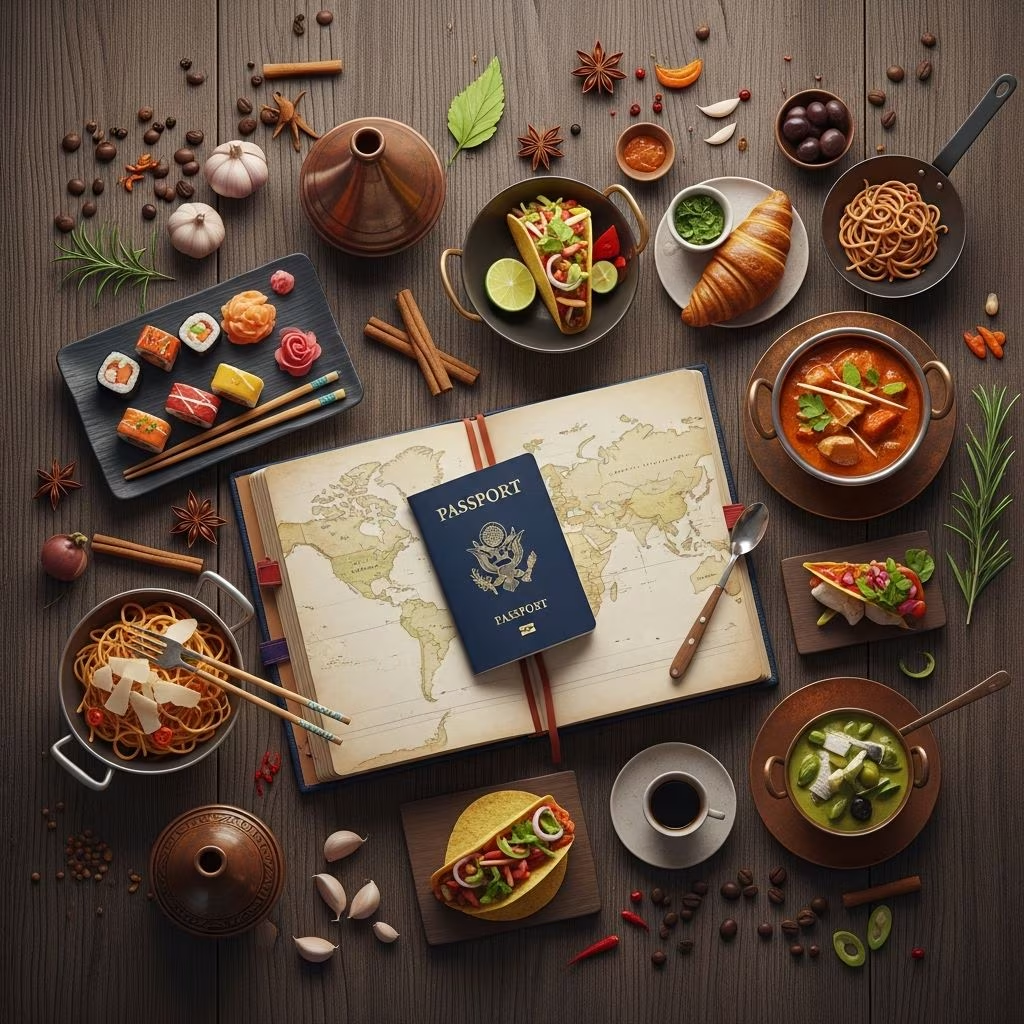
Food has emerged as one of the most compelling reasons travelers choose their next destination. Beyond iconic landmarks and natural wonders, the flavors of a region tell the story of its people, history, and traditions. Culinary tourism has transformed from a niche interest into a mainstream travel priority, with food lovers seeking authentic experiences that extend far beyond typical tourist restaurants. This shift reflects a deeper understanding that understanding a culture through its cuisine provides unprecedented insight into local life, values, and heritage.
The Rise of Gastronomic Travel
The intersection of travel and food has created a new category of travelers who plan itineraries around culinary experiences rather than fitting meals into sightseeing schedules. Street food tours, cooking classes, farm visits, and fine dining establishments have become primary attractions rather than supplementary activities. This evolution recognizes that regional dishes, traditional cooking methods, and food-related customs provide windows into understanding communities in ways that guidebooks cannot.
Contemporary culinary destinations attract travelers seeking authenticity and meaningful engagement with local food systems. Whether exploring bustling night markets, dining in family-run establishments, or participating in agricultural experiences, food-focused tourism creates lasting memories while supporting local economies and preserving traditional food cultures.
Essential Elements of World-Class Food Destinations
Exceptional culinary destinations share common characteristics that make them attractive to food travelers:
- Ingredient Heritage: Access to unique, locally-sourced ingredients that define regional cuisine and reflect terroir and agricultural traditions
- Culinary Innovation: Balance between traditional recipes and contemporary culinary techniques that push regional food boundaries
- Cultural Significance: Deep connections between food traditions and historical, social, and spiritual aspects of local life
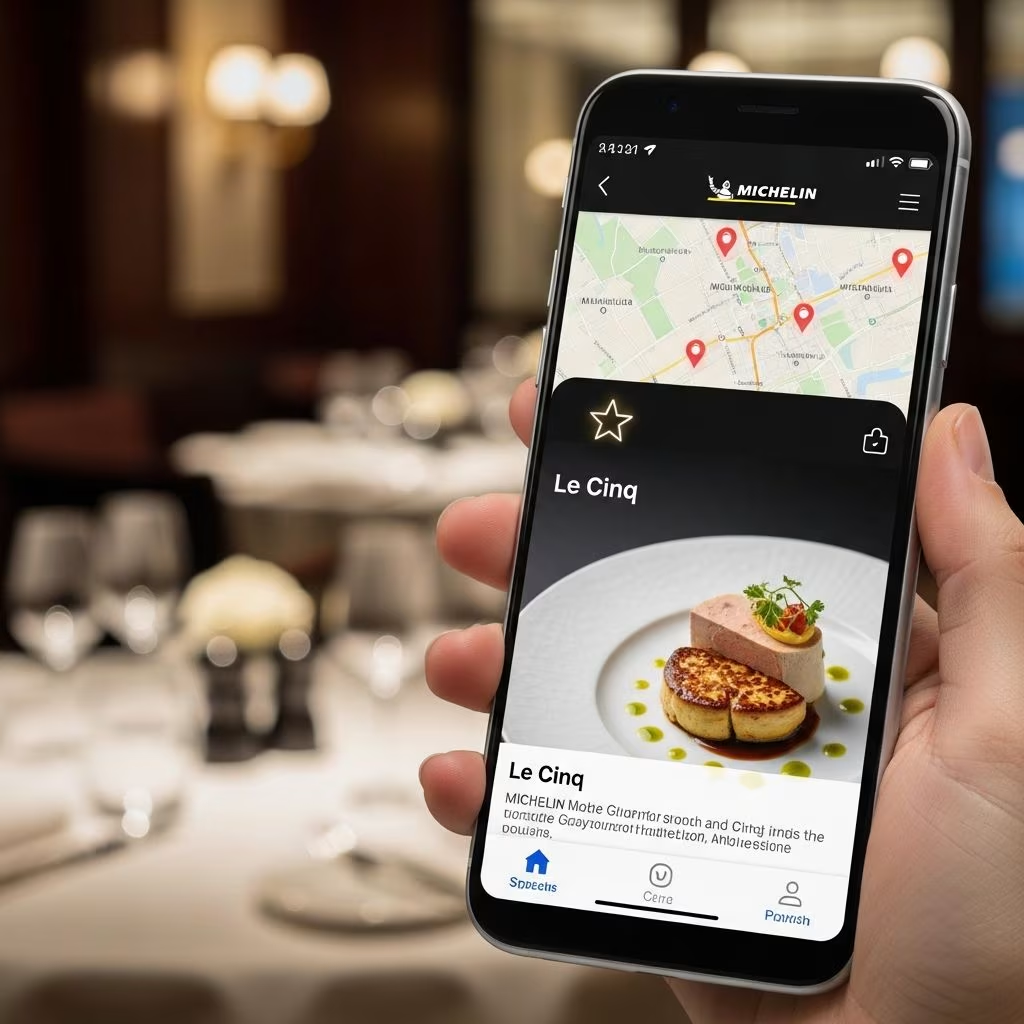
- Dining Infrastructure: Diverse dining options ranging from street vendors to Michelin-starred establishments that cater to different budgets and preferences
- Food Education: Opportunities for travelers to learn cooking techniques, understand ingredient sourcing, and engage directly with food producers
- Accessibility: Manageable travel logistics that allow visitors to explore food scenes without excessive planning complications
European Culinary Excellence
The British Food Renaissance
London has established itself as a premier global food destination, earning recognition as the world’s top food destination for its innovative dining scene that respects tradition while embracing contemporary techniques. The British capital’s culinary landscape features award-winning restaurants, diverse international cuisines, and a revitalized appreciation for local ingredients.
Beyond London, regions like Tipperary, Ireland, showcase how geography influences cuisine. Local ingredients such as Tipperary apples—legendary throughout Ireland and incorporated into traditional tarts and world-renowned ciders like Bulmers—demonstrate how place-based food production creates distinctive regional identities. Cashel Blue cheese, with its creamy, tangy profile, represents artisanal food production that has gained international recognition, highlighting how small-scale producers contribute to national culinary reputations.
Irish restaurants like Mikey Ryan’s in Cashel showcase how local sourcing translates into memorable dining experiences, with menus featuring locally-reared lamb and beef prepared with respect for ingredient quality. This farm-to-table approach has become increasingly prevalent across Europe, reflecting consumer demand for transparency and sustainability in food systems.
Mediterranean Food Traditions
Mediterranean regions maintain culinary traditions deeply rooted in climate, geography, and centuries of cultural exchange. The abundance of olive oil, fresh vegetables, seafood, and regional cheeses creates foundational ingredients for distinctive cuisines that have inspired global cooking trends.
Asian Gastronomic Powerhouses
Japan’s Culinary Innovation
Tokyo consistently ranks among the world’s most important food destinations, featuring the highest concentration of Michelin-starred restaurants globally. Japanese cuisine represents one of the world’s most refined culinary traditions, combining meticulous technique, seasonal awareness, and aesthetic presentation. Beyond fine dining, Tokyo’s diverse food scene encompasses everything from intimate ramen shops to sushi counters where chefs have devoted decades to perfecting singular disciplines.
Osaka emerged as the world’s trending destination in 2025, driven by year-on-year growth in traveler interest. The city represents a different facet of Japanese food culture, with street food, casual dining, and local specialties that provide more accessible entry points to regional gastronomy.
Southeast Asian Flavor Profiles
Southeast Asian cities feature prominently among the world’s must-visit destinations, with their food scenes attracting travelers seeking bold flavors, fresh ingredients, and accessible dining experiences. These regions offer culinary experiences at multiple price points, from elaborate restaurant tasting menus to exceptional street food that serves both locals and travelers.
Destinations like Vietnam, Thailand, and other Southeast Asian countries showcase how climate and geography produce distinctive ingredients—from lemongrass and turmeric to chilies and fresh herbs—that define regional flavor profiles and cooking techniques developed over centuries.
South American Culinary Renaissance
Lima: The Gastronomic Capital
Peruvian gastronomy has positioned itself as one of the world’s most exciting and innovative culinary scenes, with Lima becoming recognized as one of the world’s great food capitals. This elevation reflects both the preservation of traditional Andean and coastal cooking methods and the emergence of chefs who reinterpret heritage recipes through contemporary lenses.
Peruvian cuisine draws from three distinct geographical zones—coastal, Andean highlands, and Amazonian regions—each contributing unique ingredients and traditional preparations. The country’s biodiversity, combined with historical cultural influences spanning indigenous, Spanish, African, and Asian communities, creates a food landscape of remarkable complexity and flavor.
Comparative Culinary Characteristics
| Region | Defining Characteristics | Primary Ingredients | Dining Style |
|---|---|---|---|
| London, UK | Contemporary innovation, diverse cuisines, fine dining | Local produce, artisanal products | Fine dining to casual |
| Tokyo, Japan | Refined technique, seasonal focus, precision | Seafood, rice, seasonal vegetables | High-end to intimate counters |
| Lima, Peru | Cultural fusion, geographical diversity, innovation | Local proteins, indigenous grains, coastal seafood | Modern gastronomic restaurants |
| Southeast Asia | Bold flavors, street food culture, accessibility | Fresh herbs, chilies, seafood, rice | Street food to upscale dining |
The Experience of Food Tourism
Beyond Restaurant Dining
Authentic culinary travel extends beyond consuming meals in restaurants. Travelers increasingly seek experiences including market visits, cooking classes, agricultural tours, and interactions with food producers. These activities provide context for understanding ingredient sourcing, traditional preparation methods, and cultural significance of specific dishes.
Markets represent particularly important food tourism experiences, where travelers encounter regional ingredients, local vendors, and the daily food practices of residents. These spaces reveal what communities eat beyond tourist-oriented establishments and provide opportunities for discovering unfamiliar ingredients and authentic street food.
Traditional Food Preparation
Understanding how traditional dishes are prepared provides deeper appreciation for regional cuisine. Cooking classes taught by locals, demonstrations of traditional techniques, and opportunities to participate in food preparation create memorable experiences while supporting culinary knowledge transmission.
Some destinations feature unique preparation methods tied to geography or tradition. For example, volcanic regions offer distinctive cooking approaches—local restaurants in volcanic areas prepare traditional stews using underground heat from natural volcanic sources, creating dishes that embody place-specific culinary traditions.
Planning Culinary Travel Experiences
Research and Preparation
Successful food tourism requires understanding a destination’s culinary calendar, including seasonal ingredient availability, local festivals celebrating regional food, and the timing of restaurant seasons. This research ensures travelers experience destinations when food systems are most vibrant and particular ingredients are at peak availability.
Budget Considerations
Food tourism accommodates various budgets. While Michelin-starred dining represents premium experiences, exceptional culinary tourism happens at street stalls, family-run restaurants, and modest establishments serving authentic local food. Understanding a destination’s dining landscape across price points ensures visitors can engage meaningfully with regional cuisine regardless of budget constraints.
Dietary Preferences and Restrictions
Modern culinary destinations increasingly accommodate diverse dietary requirements, though preparation and communication remain important. Researching restaurants’ approaches to vegetarian, vegan, gluten-free, and other dietary requirements ensures food-focused travelers can enjoy regional cuisine while maintaining personal preferences or restrictions.
Emerging Culinary Destinations
While established food capitals continue attracting culinary tourists, emerging destinations offer opportunities to experience authentic, less-touristed food cultures. Secondary cities within major culinary nations often provide more affordable versions of regional cuisine while offering stronger connections to local food systems and community life.
Up-and-coming destinations frequently feature lower prices, less crowded dining experiences, and stronger community engagement opportunities compared to established culinary capitals. These locations represent the frontier of food tourism, where travelers can experience authentic regional cuisine before destinations become transformed by tourism.
Sustainability in Culinary Tourism
Responsible food tourism involves supporting local food producers, choosing restaurants that prioritize local sourcing, and participating in food experiences that benefit communities rather than extracting cultural value. Travelers can contribute positively by dining at locally-owned establishments, purchasing food products directly from producers, and engaging respectfully with food traditions.
The growth of culinary tourism creates both opportunities and challenges for food communities. Responsible travelers recognize their role in supporting sustainable food systems, preserving traditional knowledge, and ensuring that culinary tourism benefits residents rather than primarily profiting external operators.
Frequently Asked Questions
What makes a destination a world-class food destination?
Premier food destinations combine distinctive regional ingredients, deep culinary traditions, skilled practitioners, diverse dining options across price points, and infrastructure supporting food tourism including markets, cooking schools, and restaurants celebrating local cuisine.
Do I need to speak the local language to enjoy culinary tourism?
While language skills enhance experiences, many food tourism destinations accommodate non-speakers through translated menus, pictorial guides, and hospitality-focused staff. Body language, pointing, and enthusiasm often bridge communication gaps in food contexts.
Is street food safe in developing culinary destinations?
Street food in established culinary destinations typically meets hygiene standards and represents everyday food consumed by local residents. Vendors with high customer turnover maintain sanitary practices ensuring food safety. Travelers can reduce risks by selecting busy vendors and dining where locals eat.
How much should I budget for food tourism?
Culinary tourism accommodates all budgets. Street food and casual dining cost minimal amounts, while Michelin-starred restaurants represent premium experiences. Mix high-end dining with local establishments to experience diverse price points while maximizing budget efficiency.
What’s the best time to visit food destinations?
Research each destination’s seasonal patterns. Peak ingredient seasons typically provide the best culinary experiences, while shoulder seasons offer fewer crowds and sometimes lower prices. Consider local food festivals and agricultural calendars when planning.
Conclusion: Food as Cultural Gateway
Culinary tourism represents one of the most meaningful ways to engage with global cultures, histories, and communities. By prioritizing food experiences, travelers develop deeper understanding of places than typical tourism allows, supporting local food systems while creating personal memories rooted in authentic cultural engagement. Whether exploring London’s innovative fine dining, Tokyo’s refined traditions, Lima’s innovative fusion, or Southeast Asia’s bold street food, the world’s greatest food destinations await those willing to organize travel around culinary discovery.
References
- Tripadvisor Reveals 2025’s Must-Visit Destinations: Top Picks From Travelers Around the World — TripAdvisor. January 9, 2025. https://tripadvisor.mediaroom.com/2025-01-09-Tripadvisor-Reveals-2025s-Must-Visit-Destinations-Top-Picks-From-Travelers-Around-the-World
- Best Travel Destinations 2026 — Lonely Planet. 2026. https://www.lonelyplanet.com/best-in-travel
- Top-100 Must-See Places in the World — Eugene Kaspersky. Undated. https://eugene.kaspersky.com/top-100-must-see-places-in-the-world/
- I’ve Been to 175 Countries. Here are the 50 Best Places to See in the World — rtwin30days.com. Undated. https://rtwin30days.com/travel-bucket-list/
On This Page
The Rise of Gastronomic Travel Essential Elements of World-Class Food Destinations European Culinary Excellence Asian Gastronomic Powerhouses South American Culinary Renaissance Comparative Culinary Characteristics The Experience of Food Tourism Planning Culinary Travel Experiences Emerging Culinary Destinations Sustainability in Culinary Tourism Frequently Asked Questions Conclusion: Food as Cultural Gateway← Previous
Top Food Destinations to Visit in 2025
Next →
Best Food Destinations in the World: Top Culinary Travel Spots
Related Reading
More in Food & Culture
Food & Culture Food & Culture
 Food & Culture
Best Places to Eat in Rome: Neighborhood Dining Guide
 Food & Culture
 Food & Culture