

 Travel Essentials
 Travel Essentials

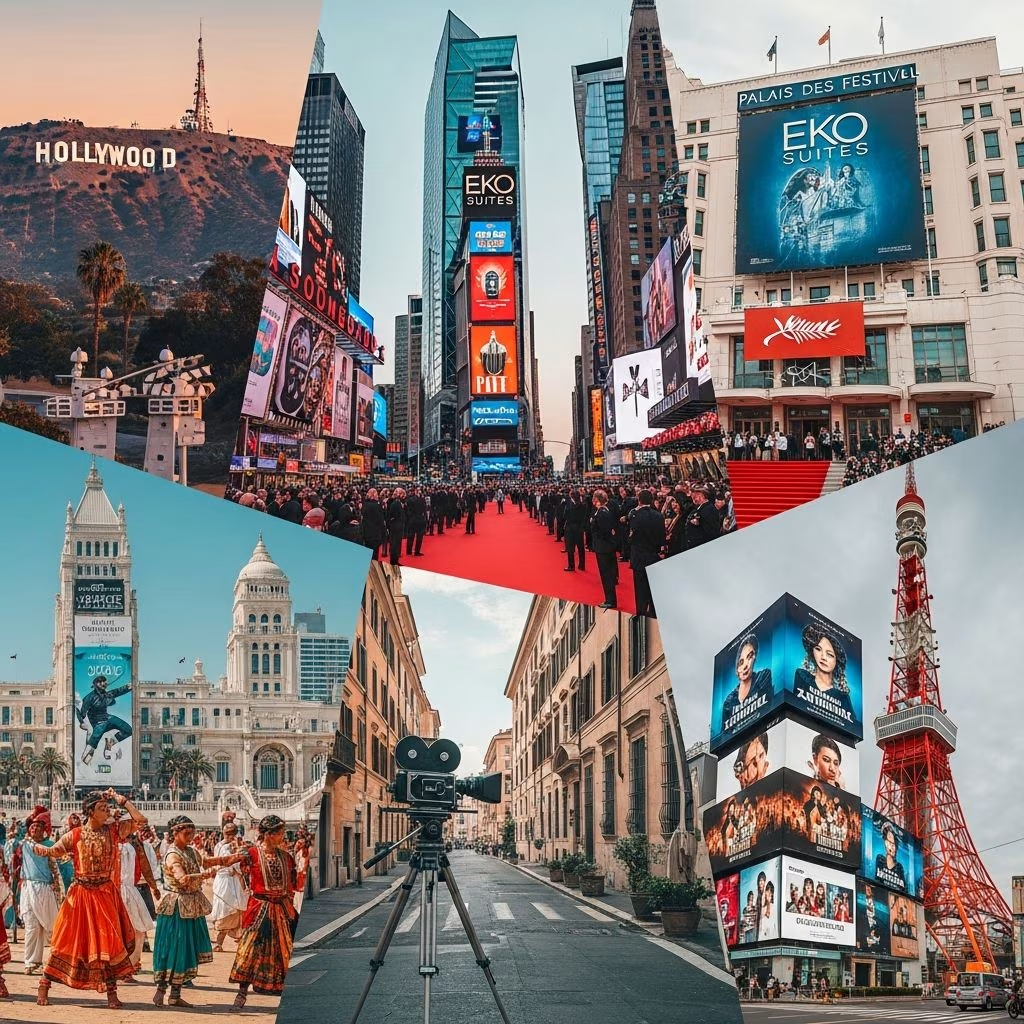
Explore the top filming locations worldwide that have shaped cinema history, from urban centers to natural wonders.
 Travel Essentials
The entertainment industry has transformed travel and tourism worldwide. Beyond the glitz of film premieres and red carpets, the actual places where movies are filmed have become destinations in their own right. Fans and travelers now seek out these locations to walk the same streets their favorite characters traversed, to stand where pivotal scenes unfolded, and to experience the magic of cinema in person. This phenomenon has created a unique intersection between entertainment and travel, where geography plays as crucial a role as any actor or director in telling a story.
The distribution of filming locations across the globe reveals patterns about how the entertainment industry operates and evolves. Some cities have maintained their prominence in cinema for decades, while others have emerged as unexpected powerhouses in recent years. The reasons locations attract filmmakers vary—some offer distinctive architecture, others provide tax incentives, and many simply possess the visual qualities that stories require. Understanding which locations dominate the industry provides insight into both filmmaking trends and global tourism dynamics.
The concentration of filming activity varies dramatically by region and country. Established film hubs continue to attract major productions, while emerging locations are carving out specialized niches. This geographical distribution reflects investment in infrastructure, availability of skilled crews, and the inherent appeal of landscapes and cityscapes to cinematographers and directors.
The United States maintains an overwhelming presence in global film production, with certain cities serving as the backbone of the entertainment industry. The sheer volume of productions occurring across American cities underscores the country’s continued dominance in cinema.
Within these broader regions, specific landmarks have become synonymous with cinema. Hollywood Boulevard stands as the most filmed individual location in California, appearing in 5,532 movies. This iconic street continues to represent the glamour and history of the film industry itself. Central Park in New York City, despite its prominence in popular imagination, appears in 1,065 films, serving as an urban oasis within cinematic narratives.
Europe has established itself as a premier filming destination, offering centuries of architectural heritage combined with diverse landscapes. The continent attracts productions seeking historical authenticity, romantic backdrops, and distinctive cultural atmospheres.
London dominates European film production, appearing in 77,498 films. The British capital’s combination of historic buildings and modern architecture provides filmmakers with unparalleled versatility. From period dramas set in Regency-era neighborhoods to contemporary thrillers utilizing sleek modern districts, London accommodates virtually every genre. Beyond London, the Scottish Highlands and various English countryside locations have hosted productions ranging from fantasy epics to intimate character studies.
Madrid has established itself as a major European filming hub, featuring in almost 55,000 productions. The Spanish capital’s popularity extends back decades, with particular prominence during the 1950s and 1960s when it became a favorite of Hollywood producers. Today, Madrid continues to attract international productions seeking Mediterranean aesthetics combined with European sophistication.
Asia’s emergence as a significant filming destination reflects both the region’s visual appeal and the globalization of film production. Cities across Asia now compete with traditional Western production centers for major international projects.
Tokyo has become the second most filmed city outside the traditional Western film industry centers, appearing in 36,620 films. The Japanese capital’s energetic, ultramodern aesthetic makes it ideal for futuristic narratives, science fiction productions, and stories exploring contemporary urban life. The city’s neon-lit streets, efficient transportation systems, and distinctive architecture have become instantly recognizable to global audiences.
Sydney ranks as the third most filmed international city, appearing in more than 35,000 productions. The Australian metropolis attracts filmmakers seeking natural beauty combined with urban sophistication. Iconic landmarks like the Sydney Opera House and Harbour Bridge provide instantly recognizable backdrops, while surrounding beaches and coastal landscapes offer scenic alternatives for productions requiring natural environments.
Beyond the major production hubs, specialized locations have gained recognition for specific attributes that make them valuable for particular types of productions. These emerging destinations offer advantages ranging from distinctive geography to favorable production conditions.
Hanapepe Valley in Kauai served as the filming location for Jurassic Park’s iconic landscapes. The region’s combination of cascading waterfalls, verdant valleys, and misty rainforests provided the perfect backdrop for depicting a prehistoric world. The success of Jurassic Park filming has transformed the location into a tourist destination, with specialized tours allowing visitors to retrace the movie’s production path.
Afghanistan has emerged as a surprising yet fascinating destination for filmmakers, despite the country’s complex history. Kabul, the nation’s capital, has accrued 113 location credits, making it a notable filming destination. The country’s rich cultural heritage and breathtaking landscapes offer unique visual possibilities unavailable in more developed nations, attracting filmmakers seeking authentic and distinctive environments.
| City | Country | Approximate Film Appearances | Primary Appeal |
|---|---|---|---|
| Madrid | Spain | ~55,000 | Historic architecture, Mediterranean climate |
| Tokyo | Japan | 36,620 | Modern urban aesthetics, futuristic settings |
| Sydney | Australia | 35,859 | Natural beauty, iconic landmarks |
| London | United Kingdom | 77,498 | Historic sites, architectural diversity |
| New York City | United States | 273,569 | Urban diversity, iconic skyline |
Certain locations have become permanently associated with specific film franchises or genres. These specialized destinations attract dedicated fans and continue to generate production activity because of their established cinematic identity.
Scotland’s Glenfinnan Viaduct became instantly recognizable to global audiences through its appearance in the Harry Potter films. The historic railway viaduct’s dramatic architecture transformed it into a tourist destination attracting millions of fans seeking to experience the wizarding world firsthand. Similarly, Lake Como in Italy gained prominence through its role in Star Wars productions, while Skopelos in Greece became synonymous with Mamma Mia! after hosting that musical production.
Angkor Wat in Cambodia served as a filming location for Lara Croft productions, bringing international attention to this ancient archaeological wonder. Such locations benefit from the dual appeal of cinematic fame combined with genuine historical or natural significance, creating powerful tourism incentives.
The relationship between cinema and tourism has become increasingly symbiotic. Productions filmed in specific locations generate visitor interest that extends far beyond the film’s theatrical release. This phenomenon has transformed how cities and regions approach film production, viewing it not merely as an industry but as a tourism development strategy.
Cities that successfully market themselves as filming destinations experience sustained tourism growth. Visitors seeking to experience locations from beloved films represent a dedicated demographic willing to travel specifically to visit these sites. This tourism activity generates revenue for local businesses, creates employment opportunities, and raises international awareness of destinations that might otherwise remain relatively obscure.
New York City leads globally, appearing in over 270,000 films. The city’s architectural diversity, iconic landmarks, and established film industry infrastructure make it the world’s most frequently filmed urban center.
Filmmakers consider multiple factors including visual distinctiveness, infrastructure availability, weather patterns, tax incentives, skilled crew accessibility, and the specific narrative requirements of their projects. Locations offering multiple scenic possibilities within reasonable distances prove particularly valuable.
Many filming locations welcome tourists and have developed specialized tours. Locations like Kauai’s Hanapepe Valley offer Jurassic Park-themed tours, while numerous European cities provide walking tours highlighting famous filming sites. However, some private or sensitive locations may restrict public access.
Film production generates immediate employment during shooting phases, stimulates demand for local services, and attracts tourism that extends economic benefits long after production concludes. This combination makes film production attractive to destination marketing organizations.
Rather than replacement, a pattern of expansion has emerged. Established locations like New York and London maintain dominance, while emerging destinations like Tokyo and Madrid have grown significantly. This expansion reflects both increased global film production and strategic destination marketing efforts.
As film production becomes increasingly globalized and streaming platforms diversify content creation, filming locations worldwide will likely experience continued growth. Emerging economies with distinctive visual characteristics and favorable production conditions may gain greater prominence. Simultaneously, established centers like London and New York will probably maintain their foundational importance due to entrenched infrastructure and established industry networks.
The intersection of cinema and travel will continue creating opportunities for destination development. Regions recognizing the strategic value of film production increasingly implement targeted initiatives to attract productions. This competitive landscape ensures that filming locations will remain dynamic and evolving.
Film tourism represents one of the modern world’s most compelling convergences of entertainment and travel, transforming production locations into authentic travel destinations. Whether visitors seek to retrace favorite movie moments, experience distinctive landscapes, or simply explore visually captivating cities, filming locations worldwide offer unique travel opportunities that extend cinema’s influence beyond theaters into real-world exploration and experience.
