

 Travel Essentials
 Travel Essentials

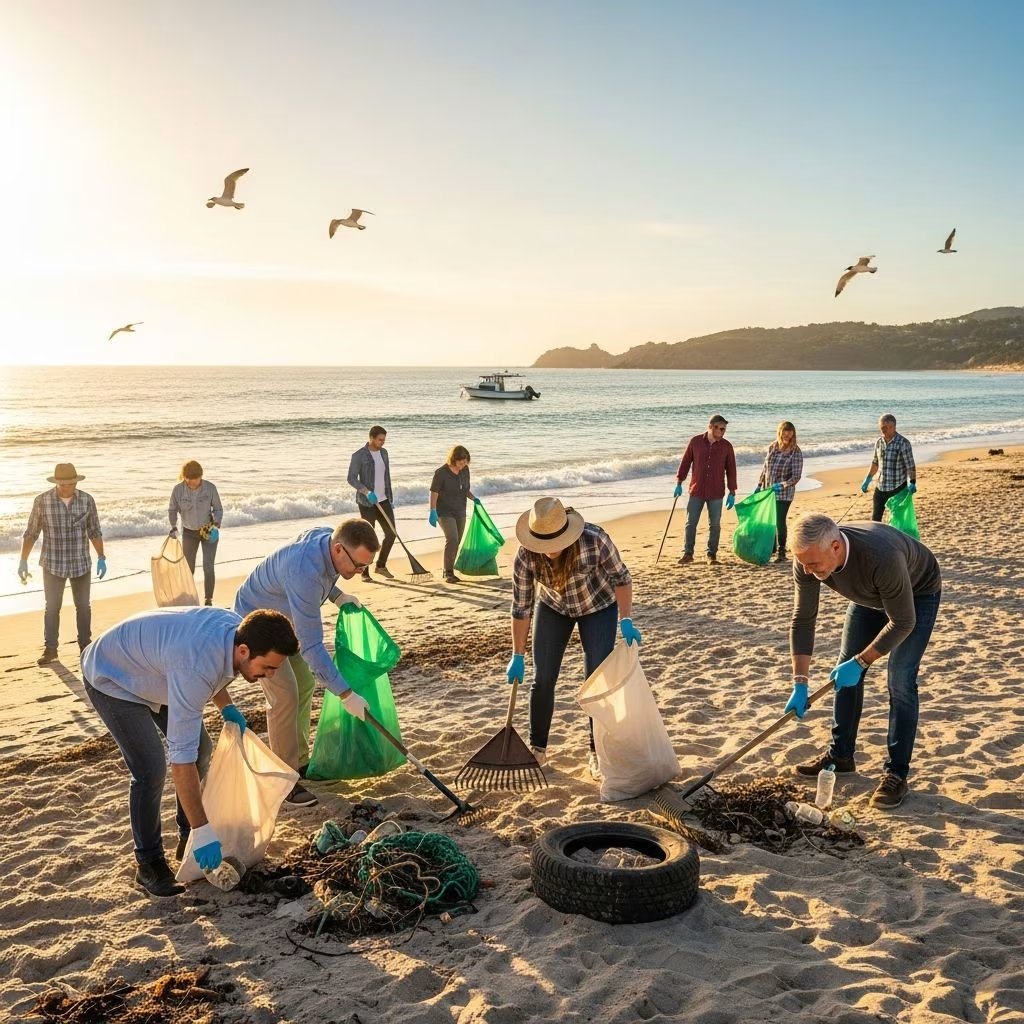
Volunteer beach cleanups are removing tons of plastic, protecting wildlife, and driving policy change for cleaner oceans worldwide.
 Travel Essentials
Beaches around the world face mounting threats from plastic waste and marine debris, but dedicated volunteer efforts are turning the tide. These initiatives not only remove tons of trash but also foster community awareness and drive policy changes for cleaner oceans.
Ocean pollution affects ecosystems, wildlife, and human health, with plastics breaking down into microplastics that enter the food chain. Annual cleanups provide immediate action while collecting data to inform long-term solutions. Volunteers worldwide have removed hundreds of millions of pounds of debris, proving collective effort yields massive results.
From local triumphs to international spectacles, standout projects demonstrate the power of organized cleanups. These efforts engage diverse groups, including residents, tourists, and officials, creating lasting environmental stewardship.
In India, lawyer Afroz Shah spearheaded one of the largest beach cleanups ever, mobilizing volunteers over three years to extract nearly 10 million kilograms of waste from Versova Beach. This grassroots movement transformed a trash-choked shoreline into a vibrant coastal gem, emphasizing love for nature as the driving force.
India’s Puri Beach saw over 10,000 participants, including fishermen, vendors, and government workers, unite for a massive cleanup. Chief Minister Naveen Patnaik highlighted the cultural reverence for the sea as motivation, linking cleanliness to prosperity and turning the event into a model for community-led action.
Ocean Conservancy’s flagship program unites millions annually. In 2018 alone, over 1 million volunteers collected 23 million pounds of trash in a single day. Since inception, 17 million participants have cleared more than 350 million pounds, with data collection guiding anti-pollution strategies.
The UK’s Marine Conservation Society doubled volunteer numbers to 14,000 in 2018, removing 8,550 kg of litter from nearly 500 sites. This surge prompted government bans on certain plastics, showing how cleanups catalyze legislation.
Beyond major events, localized programs sustain momentum, adapting to unique coastal challenges.
| Project | Location | Key Achievements | Volunteers Involved |
|---|---|---|---|
| Surfrider Foundation Cleanups | USA Coasts | Over 4,585 pounds removed in early 2024 | Thousands annually |
| Coastal Cleanup Day | California, USA | Statewide trash removal from beaches and rivers | Tens of thousands |
| Two Minute Beach Clean | Australia | Encourages quick litter picks for habit-building | Grassroots participants |
| Let’s Do It! World Cleanup | Global | 19.1 million people cleaned 198 territories in 2023 | Millions |
Europe’s Blue Flag beaches integrate regular cleanups into sustainability certifications, involving locals and tourists to maintain eco-standards. In Asia, initiatives like Earth’s Great Global Cleanup in Mumbai partnered with coast guards, deploying divers and helicopters for comprehensive debris removal.
Programs targeting nesting beaches, such as Global Ocean Cleanup during Sea Turtle Week, removed 39 tons of trash in 2024 across 20+ countries. Partners like SEE Turtles fund efforts in Uruguay, clearing 1,500 lbs to protect endangered species.
Beyond trash removal, these events educate participants, influence policies, and inspire innovation. Data from cleanups reveals plastics dominate (e.g., bottles, bags), pushing for reduced production and better waste management.
Anyone can participate in beach cleanups, with events year-round.
Short commitments, like Australia’s Two Minute Clean, make entry easy.
Versova Beach in Mumbai removed nearly 10 million kg over three years, led by Afroz Shah.
Ocean Conservancy’s ICC has cleared over 350 million pounds since starting, with millions annually.
Yes, they collect data for policy changes, like plastic bans, and build community habits.
Absolutely—many events welcome visitors, especially Blue Flag beaches and international days.
Start a two-minute clean or contact groups like Oceanic Society for global campaigns.[10]
Despite successes, challenges persist: increasing plastic production outpaces removal, and remote areas need more focus. Innovations like The Ocean Cleanup’s technologies complement volunteer efforts by targeting ocean gyres. Future cleanups aim for tech integration, youth involvement, and corporate partnerships to scale impact.
Corporate sponsorships fund gear and logistics, while apps track participation. By 2040, goals include 90% reduction in floating plastics through combined human and tech solutions.
