


 Food & Culture
Food & Culture
Worst Foods to Eat on a Plane and What to Pack Instead
Learn which foods worsen bloating, smells, and mess on planes, plus smart alternatives for comfortable air travel.
 Food & Culture
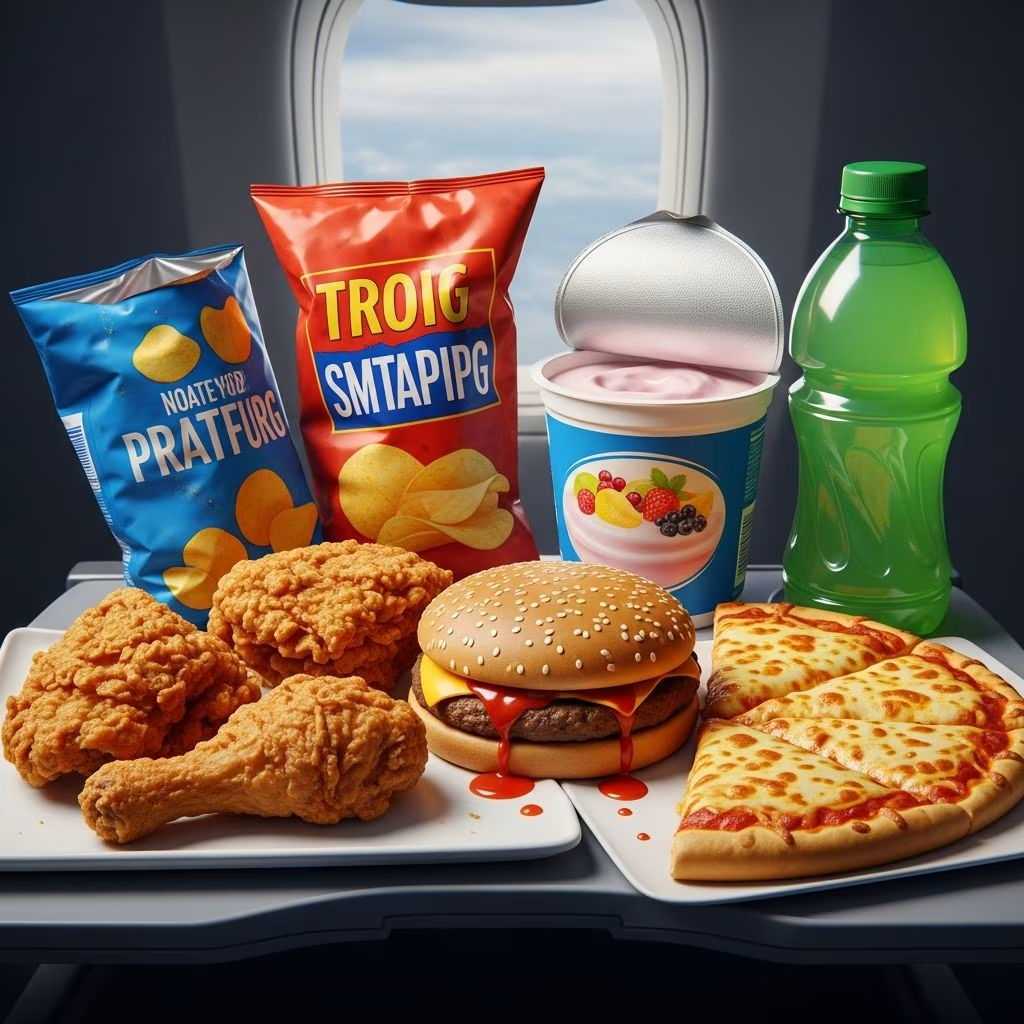
Airplane travel presents unique challenges for eating, from cabin pressure affecting digestion to close quarters amplifying odors and noises. Selecting the wrong foods can lead to bloating, discomfort, messy spills, or irritated fellow passengers. This guide explores problematic food choices during flights, drawing on travel insights to help you eat smarter in the sky.
Why Your Diet Matters at 30,000 Feet
Cabin conditions alter how your body processes food. Low humidity dehydrates you quickly, while reduced pressure causes gases in your gut to expand, intensifying bloating from certain items. Limited space means smells travel fast, and turbulence can turn meals into hazards. Thoughtful choices keep you energized without distress.
Foods That Trigger Bloating and Gas
High-altitude environments exacerbate digestive issues. Foods producing excess gas become major culprits.
- Carbonated drinks: Soda and sparkling water expand under pressure, trapping air in your stomach for painful bloating.
- Cruciferous veggies: Broccoli, cauliflower, and Brussels sprouts ferment in the gut, releasing gases that worsen at altitude.
- Artificial sweeteners in gum or candy: Sugar-free options with sorbitol or xylitol draw water into intestines, promoting flatulence.
Opt for still water or herbal tea to stay hydrated without the fizz.
Odor-Offending Snacks to Skip
Enclosed cabins make strong scents inescapable, potentially souring the trip for everyone nearby.
| Food Item | Why Avoid | Smell Impact |
|---|---|---|
| Hard-boiled eggs | Sulfur compounds release pungent fumes | Overpowers entire row |
| Tuna or sardines | Fishy oils linger heavily | Impossible to mask |
| Bananas | Ripe fruit aroma intensifies | Clings to air |
| Cheese | Ferments and ripens airborne | Sharp, lingering |
Choose odor-neutral options like plain crackers or dried fruit instead.
Messy and Greasy Culprits
Turbulence and tight trays amplify spills from sloppy foods.
- Fried fast food: Fries soggy up fast, nuggets turn chewy, leaving oily residue on trays and clothes.
- Greasy meats like beef jerky: Oils coat fingers, hard to clean mid-flight.
- Soups or wet sandwiches: Liquids slosh, staining seats and neighbors.
Pack dry, contained items such as energy bars or pretzels for mess-free munching.
Noisy Munchies That Annoy
Quiet cabins magnify crunching sounds, disturbing sleeping passengers.
- Chips or Goldfish crackers: Loud crinkling bags and snapping bites echo.
- Whole nuts like pistachios: Shell-cracking noises grate on nerves.
- Hard candies: Clacking against teeth travels far.
Select soft textures like yogurt-covered raisins or rice cakes for discreet eating.
Heavy Meals That Sap Energy
Pre-flight or in-flight indulgences can leave you sluggish.
- Salty snacks: Chips and popcorn cause water retention, worsening dehydration and swelling.
- Spicy dishes: Hot wings or saucy foods irritate the stomach, spiking then crashing energy.
- Alcohol: Dehydrates further, disrupting sleep on long flights.
Lean proteins stabilize blood sugar without the drag.
Airline Meals: Pitfalls and Preferences
Carriers often serve rehydrated dishes prone to dryness or odd textures. Plain grilled meats dry out without sauce, while creamy options congeal. Vegetarian picks like Asian veg or mezze fare better for moisture and flavor. Avoid airline fish or processed sandwiches; they amplify fishy or artificial tastes.
Smart Alternatives for In-Flight Eating
Focus on portable, balanced snacks that combat fatigue and hunger.
| Category | Recommended | Benefits |
|---|---|---|
| Proteins | Turkey slices, nuts (unsalted) | Sustained energy, minimal mess |
| Fruits | Apples, grapes | Hydrating, low odor |
| Carbs | Granola bars, muffins | Compact, non-noisy |
| Hydration | Water, herbal tea | Counters dry air |
Prepare a mix: almonds with dried apricots or a nut butter packet on whole-grain crackers.
Pre-Flight Eating Strategies
What you consume hours before boarding sets the tone. Skip heavy airport fare; choose light meals like salads or smoothies. Hydrate steadily to offset cabin aridity. Time caffeine for alertness without jitters.
Health Considerations for Long-Haul
Extended flights heighten risks like deep vein thrombosis; avoid gut bombs that slow circulation. Diabetics should dodge sugar spikes from candy. Those with sensitivities pick low-FODMAP options to minimize reactions.
Frequently Asked Questions
Can I bring my own food on planes?
Yes, most airlines allow solid foods through security, but liquids over 3.4 oz are restricted. Check international rules for perishables.
What if I’m vegetarian on a flight?
Request special meals 24-48 hours ahead; Asian vegetarian often tastes best and avoids heavy meats.
How do I handle ear pressure without gum?
Yawn, swallow, or sip water. Avoid gum if prone to bloating.
Is plane food safe?
Regulated and reheated properly, but choose saucy or veg options over dry proteins for better quality.
Best snacks for kids on flights?
Soft fruits, cheese sticks (mild), pouches—avoid anything sticky or smelly.
Pro Tips for Culinary Comfort
- Pack in resealable bags for freshness and quiet access.
- Eat lightly 2-3 hours before boarding.
- Layer flavors: mild base with subtle crunch.
- Monitor portions to avoid waste smells.
References
- 7 Foods You Should Never Eat on a Plane — SmarterTravel. Accessed 2026. https://www.smartertravel.com/foods-never-eat-plane/
- The 8 Worst Foods to Eat Before a Flight (And What to Pack Instead) — Connected Health PGH. Accessed 2026. https://www.connectedhealthpgh.com/post/the-8-worst-foods-to-eat-before-a-flight-and-what-to-pack-instead
- 12 Worst Snacks To Bring On A Long Flight — Tasting Table. 2024-10-15. https://www.tastingtable.com/1899365/worst-snacks-long-flight/
On This Page
Why Your Diet Matters at 30,000 Feet Foods That Trigger Bloating and Gas Odor-Offending Snacks to Skip Messy and Greasy Culprits Noisy Munchies That Annoy Heavy Meals That Sap Energy Airline Meals: Pitfalls and Preferences Smart Alternatives for In-Flight Eating Pre-Flight Eating Strategies Health Considerations for Long-Haul Frequently Asked Questions Pro Tips for Culinary Comfort← Previous
How to Plan a Family Vacation: Budget, Packing, and Itinerary Tips
Next →
Walking Holden Caulfield’s New York: A Catcher in the Rye Guide
Related Reading
More in Food & Culture
Food & Culture Food & Culture
 Food & Culture
Best Places to Eat in Rome: Neighborhood Dining Guide
 Food & Culture
 Food & Culture